


8 Main Parts Of A Roof & Their Functions
Understanding the different parts of a roof can help you spot issues, plan for repairs, and make informed decisions when it’s time for a replacement. Every component of your roofing system has a purpose, and they all work together to protect your home from the elements.
- Stronger homeownership decisions: Knowing the structure of your roof helps you communicate with roofing contractors and insurance adjusters.
- Preventative care: Understanding how each part works helps you identify and prevent problems before they grow.
- Better budgeting: If one part fails, you’ll know whether you need a small repair or a full system replacement.
Let’s walk through the essential components that make up a modern roofing system.
Why Roof Structure Knowledge Matters
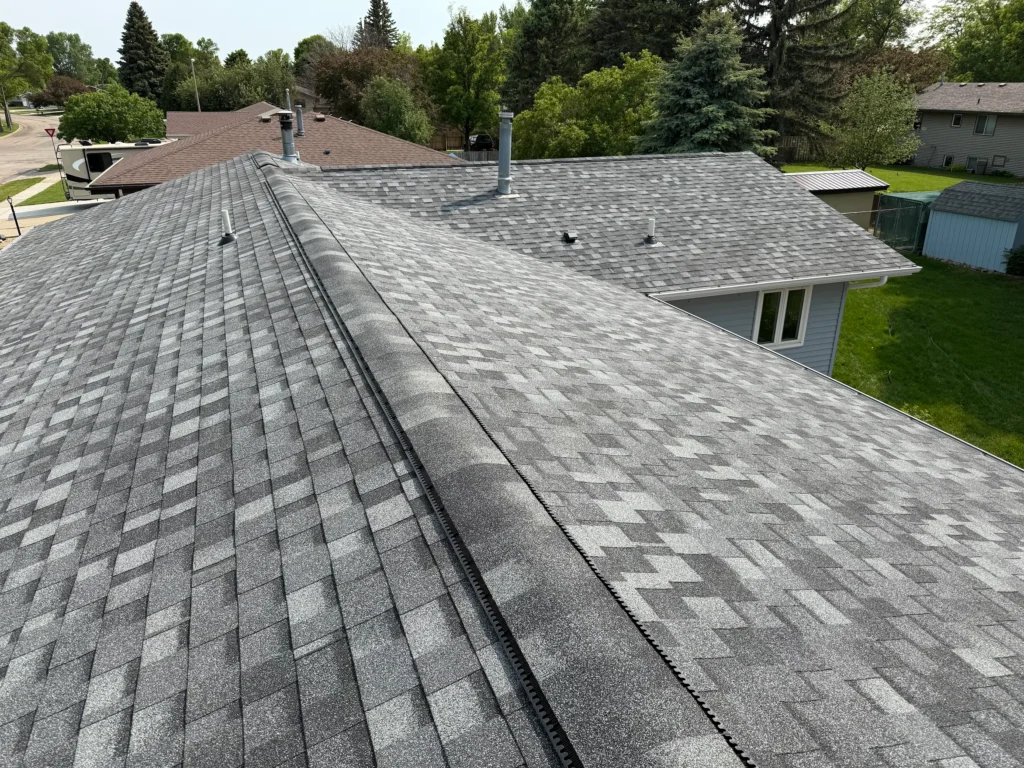
Whether you’re building, buying, or repairing, knowing what’s over your head isn’t just helpful—it’s essential. Many homeowners are surprised to learn that a roof is more than just shingles. It’s a layered system that starts with structural support and ends with water management.
When one piece fails, the whole system can be compromised. That’s why 5 Star Roofing and Contracting focuses on full-system inspections and long-term solutions, not just patchwork repairs.
8 Main Parts Of A Roof & Their Functions
Your roof is more than just shingles. It’s a full system made up of multiple parts working together to protect your home from water, wind, and weather. Below are the key parts of a roof every homeowner should know.
1. Roof Decking (Sheathing)
This is the structural base of your roof. Decking is usually made of plywood or OSB (oriented strand board) and is attached directly to the trusses. It provides a stable, flat surface for all the other roofing materials to sit on. If the decking becomes soft or rotted, it must be replaced before installing new shingles. Moisture damage to the decking is often discovered during a roof tear-off.
2. Underlayment
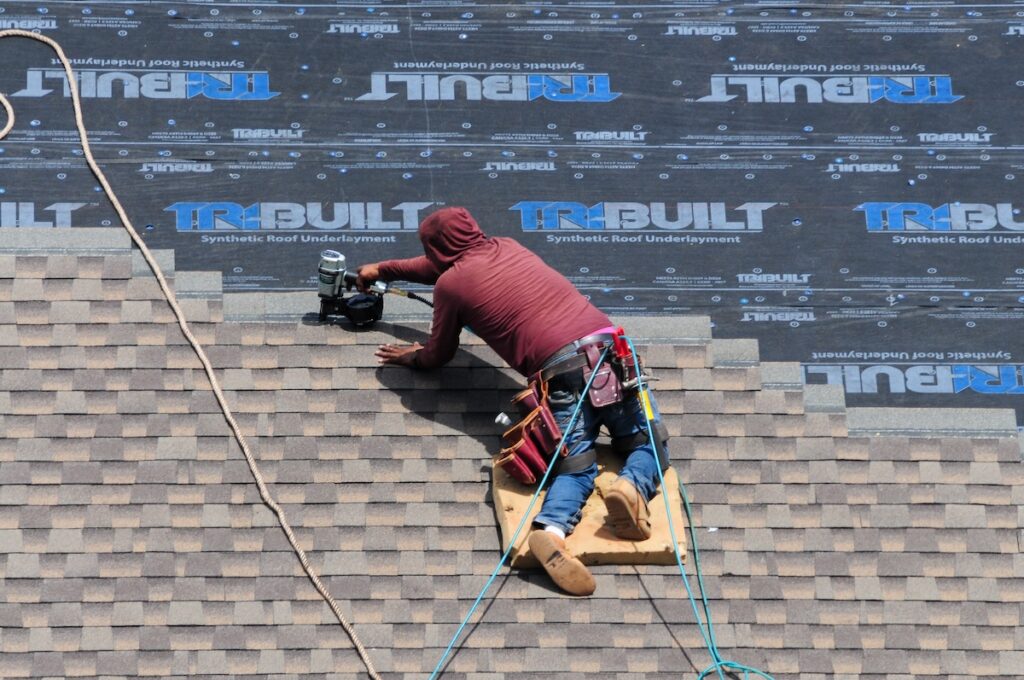
Installed directly over the roof decking, the underlayment serves as a moisture barrier. It provides extra protection in case water gets past the shingles. In our region, synthetic underlayment is preferred because it handles freezing and thawing better than traditional felt. A quality underlayment prevents leaks, especially in valleys and around roof penetrations.
3. Shingles
Shingles are the visible outermost layer of the roofing system, and they take the brunt of the elements. Asphalt shingles are the most popular option for homeowners in North Dakota and northern Minnesota.
At 5 Star Roofing and Contracting, we primarily install IKO shingles because they offer excellent durability, weather protection, and style. Architectural shingles are especially popular for their enhanced lifespan and dimensional look. If you are trying to decide which profile is right for your home’s specific needs, our detailed comparison of 3-tab vs. architectural shingles breaks down the differences in wind resistance, cost, and curb appeal to help you make the most informed investment.
4. Roof Flashing
Flashing is made of thin metal strips installed in areas where two roof surfaces meet or where the roof joins with walls, chimneys, or skylights. Its job is to keep water from seeping into these vulnerable joints. Proper flashing installation is essential for leak prevention, especially in valleys and step transitions. Over time, flashing can become loose, rusted, or corroded, which is why it’s a key inspection point during roof evaluations.
5. Ridge and Ridge Cap Shingles
The ridge is the peak where two sloped sections of the roof meet. It’s an essential part of your roof’s structure and ventilation system. Ridge cap shingles are specially designed to cover this area and protect it from wind and moisture. Without ridge caps, water can easily infiltrate the top of your roof. These shingles also add a finished look and help secure the ventilation system installed underneath.
6. Roof Ventilation
Ventilation plays a critical role in extending the life of your roof and maintaining your home’s energy efficiency. A good roof will have both intake and exhaust vents, commonly located in the soffits and at the ridge. Proper ventilation helps regulate attic temperature, prevents moisture buildup, and reduces the risk of ice dams in winter. Poor airflow can lead to early shingle deterioration and even structural damage over time.
To ensure these exit points remain functional and weather-tight, it is essential to have a professionally installed roof vent cap to keep out debris and pests while allowing air to flow freely. Poor airflow can lead to early shingle deterioration and even structural damage over time.
7. Soffit and Fascia
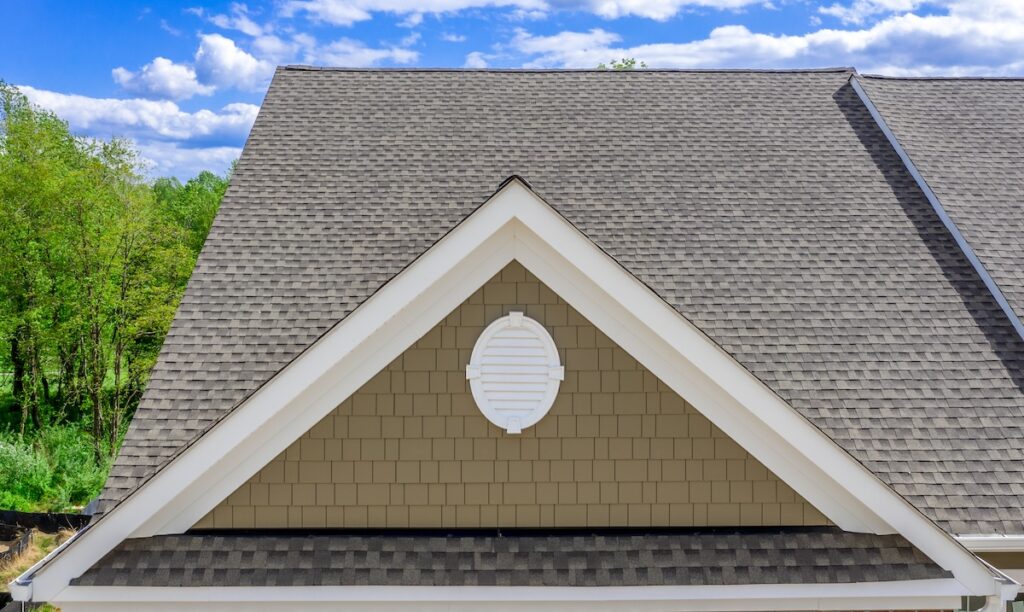
The soffit is the underside of your roof’s overhang, while the fascia is the vertical trim that runs along the edge of the roof, usually where gutters are attached. The soffit helps ventilate your attic by allowing air to flow through intake vents. The fascia board provides support for the lower edge of the roof and protects it from moisture damage. Together, they create a clean, finished appearance and support the health of the roofing system.
8. Gutters and Downspouts
While not technically part of the roof surface, gutters and downspouts are essential to roof performance. They catch rainwater and melting snow, directing it safely away from your home’s foundation. In our region, where heavy snowmelt and ice dams are common, a well-functioning gutter system helps prevent basement flooding and erosion. Gutters also protect your siding and trim from staining and decay.
⭐️ How These Parts Work Together
Your roofing system is only as strong as its weakest link. If flashing fails, even the best shingles can’t stop a leak. If ventilation is poor, your roof could wear out years sooner than expected.
That’s why 5 Star Roofing and Contracting never cuts corners. We inspect every layer—from attic insulation to shingle edges—to ensure everything is working as a complete system.
🛠️ When to Replace More Than Just Shingles
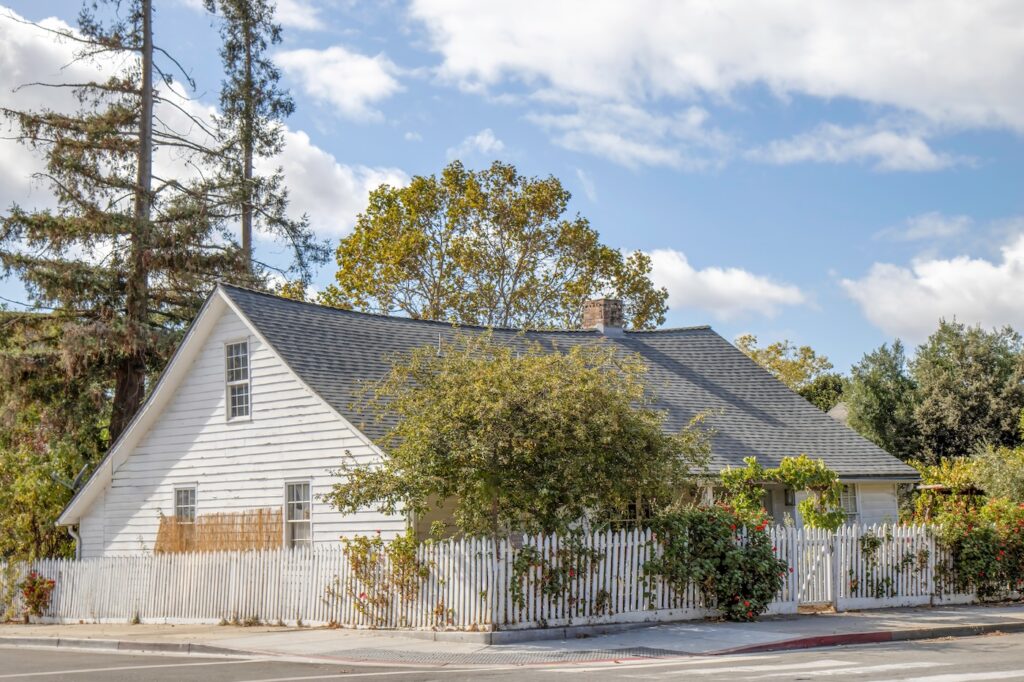
Some homeowners ask, “Can I just replace the shingles?” In some cases, yes—but not always. If the decking is soft, underlayment is saturated, or flashing is rusted, those parts need to be addressed too.
Signs It’s More Than a Surface Problem
- Roof sagging: Likely a decking or framing issue.
- Multiple leaks: May point to underlayment or flashing failure.
- High attic humidity: Poor ventilation can lead to condensation damage.
- Ice dams in winter: Often a combination of ventilation, insulation, and water flow issues.
A full inspection will determine whether repairs or a full roof replacement is the better path forward.
🤝 Trust the Experts Who Understand the Whole System
At 5 Star Roofing and Contracting, we don’t just replace shingles, we build complete, weather-resistant roofing systems designed to withstand North Dakota’s toughest conditions.
- Certified IKO installers: We use top-tier materials and back them with warranty coverage.
- Full-system evaluations: We inspect every component for structural integrity and performance.
- Clear recommendations: No guesswork—just honest advice on what your roof really needs.
💪 Know Your Roof, Protect Your Home
When you understand the parts of a roof, you’re better equipped to maintain it, repair it, or replace it. From the decking below to the shingles on top, each part plays a critical role in protecting your home.
5 Star Roofing and Contracting is here to guide you through every aspect of your roofing system—whether you’re dealing with storm damage, considering upgrades, or just want peace of mind.
Need a roof inspection or repair? Contact 5 Star Roofing and Contracting today for a free, no-obligation estimate.


