
Vertical Vinyl Siding: What Are The Pros & Cons?
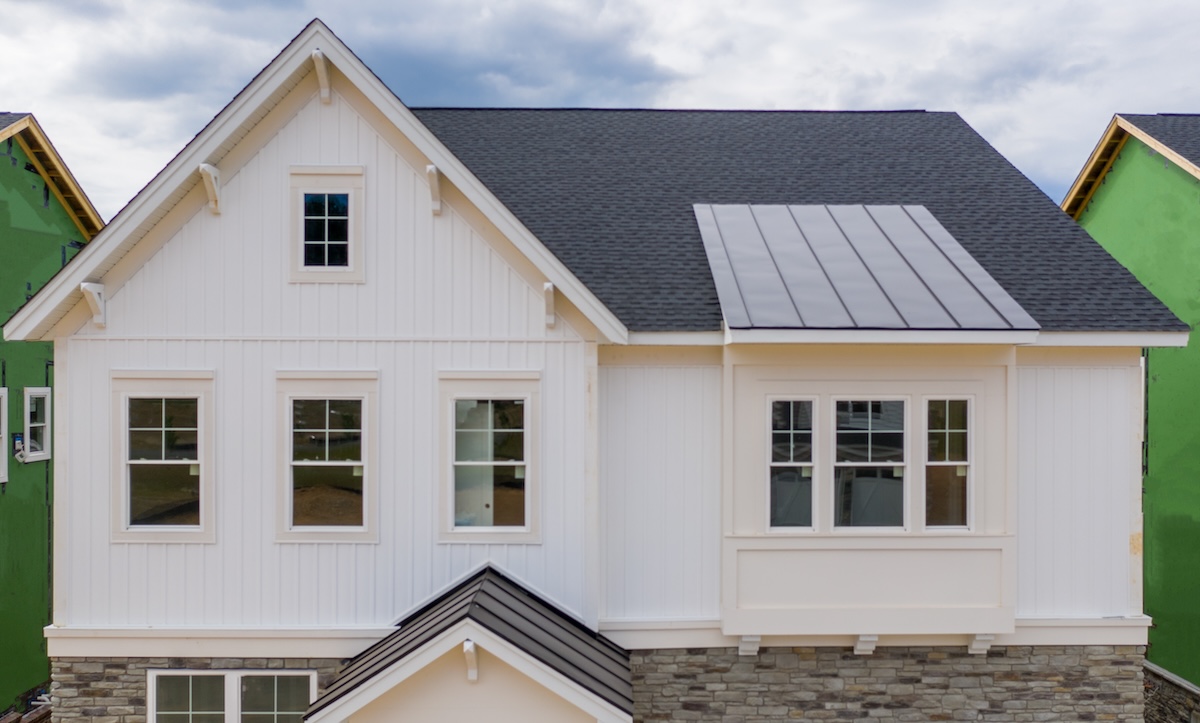
Vertical vinyl siding is gaining popularity among homeowners looking to add bold, modern curb appeal to their home. Unlike traditional siding styles, vertical vinyl siding creates clean lines that elongate your home visually, offering a contemporary look with the practical benefits vinyl is known for. Homeowners in Valley City and surrounding areas are increasingly considering this option as a full exterior solution or as an accent on gables and entryways.
- Modern appearance: Creates height and visual interest on the home exterior.
- Low maintenance: Vinyl siding resists moisture, fading, and insects.
- Versatile usage: Can be used as full siding or accent panels for architectural flair.
If you’re planning an exterior update, it’s worth understanding what makes vertical vinyl siding stand out—and where it may fall short.
What Is Vertical Vinyl Siding?
Vertical vinyl siding is exactly what it sounds like: siding panels that run vertically from top to bottom rather than horizontally. This design direction shifts the entire look of a home, adding fresh character and drawing the eye upward for a taller, more structured feel.
The appeal of vertical siding lies in its unique look, but it also functions slightly differently than traditional siding. Understanding how it performs helps homeowners make informed decisions.
How It Differs from Horizontal Siding
Traditional vinyl siding runs side-to-side and tends to blend in with neighborhood standards. Vertical siding is bolder and more eye-catching. In Detroit Lakes and surrounding areas, it’s often used on modern homes or as a contrasting feature on traditional styles.
Popular Styles of Vertical Siding
- Board and batten: Wide vertical panels with thin strips (battens) over seams for texture.
- Flat panels: Sleek, smooth vertical lines for a minimalist look.
- Dutch lap vertical: A subtle take on vertical siding with curved overlaps for added depth.
These styles allow homeowners to match their design goals while reaping the benefits of vinyl.
Pros and Cons of Vertical Vinyl Siding
Vertical vinyl siding has strengths and weaknesses worth weighing. Here’s a breakdown of its biggest advantages and potential drawbacks:
| Feature | Pros | Cons |
| Appearance | Distinctive and modern; adds height | May not suit traditional architecture |
| Durability | Resists rot, mold, and insects | Can crack from impact in extreme cold |
| Maintenance | Easy to clean with soap and water | Damage to one panel may require full section replacement |
| Water Drainage | Allows water to run down quickly | Needs proper furring strips for moisture prevention |
| Cost | Comparable to horizontal siding | Slightly higher labor cost due to install complexity |
| Design Flexibility | Use on entire home or as an accent | Fewer finish options than horizontal vinyl |
Advantages of Vertical Vinyl Siding
For many homeowners, the benefits of vertical vinyl siding outweigh its limitations. Its distinct aesthetic and proven durability make it an attractive choice for modern exterior remodeling.
Improved Water Management
Because panels run vertically, rain and melting snow are more likely to flow downward and away from the structure, helping reduce the risk of water damage. This can be especially beneficial in areas like Valley City that see seasonal precipitation and freeze-thaw cycles.
Easy Maintenance
Like all vinyl siding, vertical panels are low-maintenance. They never need to be painted, and dirt can be easily removed with a hose or soft brush. Vinyl also resists rot and insect damage, which minimizes future repair costs.
Bold Visual Appeal
Vertical siding delivers a strong visual presence. It can make shorter homes appear taller and offers an immediate style upgrade over older or worn-out horizontal siding. When paired with contrasting materials or accent areas, it creates a custom look that boosts curb appeal. To fully capitalize on this architectural shift, choosing the right vinyl siding colors is essential, as the way light hits vertical grooves can make certain shades look even more dynamic and modern.
Drawbacks to Consider
While the pros are significant, vertical vinyl siding isn’t the best choice for every situation. It’s important to be aware of its limitations before committing to a full install.
Slightly More Involved Installation
Installing vertical siding requires horizontal furring strips beneath the panels to ensure a flat surface and proper moisture drainage. This step adds time and labor, which can increase installation costs slightly compared to horizontal siding.
Limited Repair Access
Damage to vertical panels may require removing entire sections, especially if the panel is in the middle of a run. This is more labor-intensive than swapping out a single horizontal piece.
Compatibility with Traditional Designs
While vertical vinyl siding looks fantastic on contemporary homes, it might not suit the style of more traditional architectural designs unless used as an accent rather than the main exterior material.

Best Uses for Vertical Vinyl Siding
When used strategically, vertical vinyl siding enhances both the function and appearance of your home. It works well for full siding projects but also shines as an accent feature.
Full Siding Applications
Modern homes or remodeled farmhouses often use vertical siding on all elevations. The vertical lines complement clean architectural shapes and modern landscaping features.
Gables and Dormers
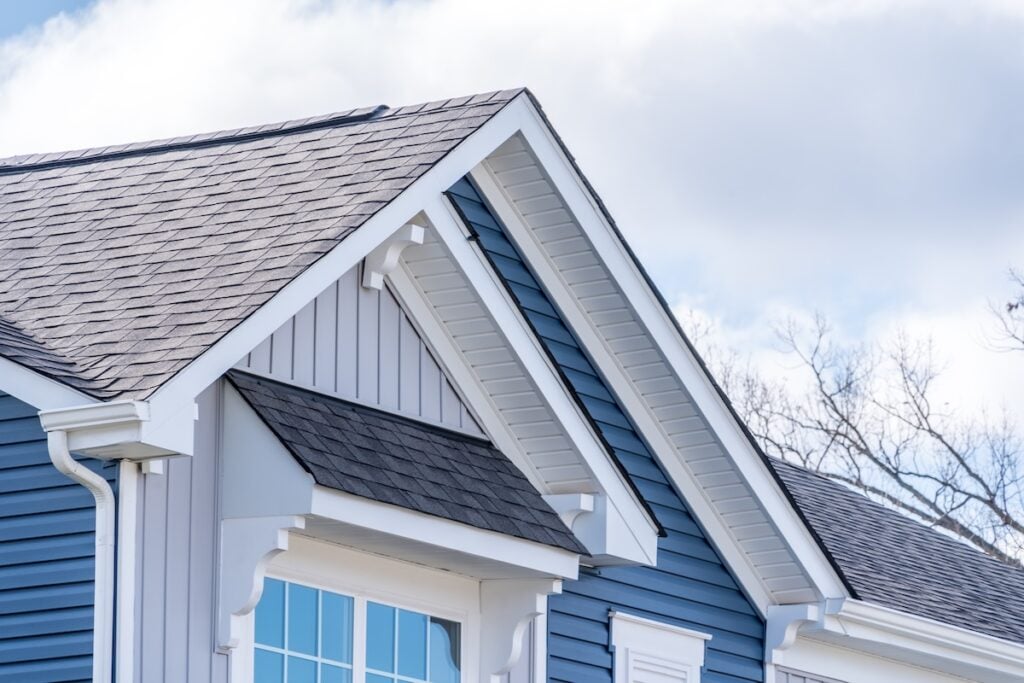
One of the most popular uses in Bismarck and surrounding areas is adding vertical siding to gables, dormers, or second-story bump-outs. This adds texture and contrast without overwhelming the main facade.
Detached Garages and Sheds
Vertical vinyl siding also works well on garages, barns, or garden sheds. It adds a polished look and offers excellent protection for outbuildings.
Comparing to Other Siding Materials
Wondering how vertical vinyl stacks up to the competition? Here’s a brief comparison:
- Horizontal vinyl siding: Easier installation and more traditional, but less eye-catching.
- Fiber cement: Highly durable, heavier, and more expensive; requires more maintenance.
- Engineered wood: Has a natural wood appearance, but costs more and needs occasional sealing.
- Metal siding: Strong and sleek but often pricier and less common for residential use.
Vinyl remains the most cost-effective and homeowner-friendly siding option, and vertical orientation just adds style.
Installation and Cost Expectations
Pricing for vertical vinyl siding is comparable to horizontal siding but slightly higher due to labor and preparation. Expect to pay:
- Material cost: Similar to standard vinyl
- Labor cost: Higher due to furring strip installation and vertical alignment
- Timeline: Installation may take longer depending on the size and complexity of the project
Working with an experienced contractor ensures accurate measurements, moisture control, and a clean final look.
Maintenance Tips for Long-Lasting Performance
To keep your vertical vinyl siding looking great for years:
- Clean annually: Rinse with a hose or soft-bristle brush to remove dirt and debris
- Inspect after storms: Check for cracks or loose panels following heavy weather
- Trim nearby trees: Keep branches from scraping or damaging the siding
- Watch for warping: If panels expand or shift, have a contractor inspect them
Proper care extends the lifespan and keeps your home looking sharp.
Is Vertical Vinyl Siding Right for You?
If you’re looking to add a bold, clean look to your home’s exterior while benefiting from low-maintenance materials, vertical vinyl siding may be an excellent fit. It’s ideal for modern homes, accent areas, or homeowners looking to stand out in the neighborhood without breaking the bank.
Homeowners in Valley City and surrounding areas are choosing vertical vinyl siding more often for its sleek appearance, moisture resistance, and design flexibility.
Choose 5 Star for Your Siding Project
Vertical vinyl siding delivers durability, energy efficiency, and a distinct visual upgrade for homeowners who want to invest in their home’s appearance and protection. Whether you want to use it as a full siding solution or to highlight architectural details, the right installation makes all the difference.
At 5 Star Roofing and Contracting, we help homeowners in Valley City and surrounding areas transform their homes with expertly installed siding and roofing systems. Contact us today for a free inspection and personalized recommendations on vertical vinyl siding and more.


