
What Is Low Slope Roofing & Installation Steps
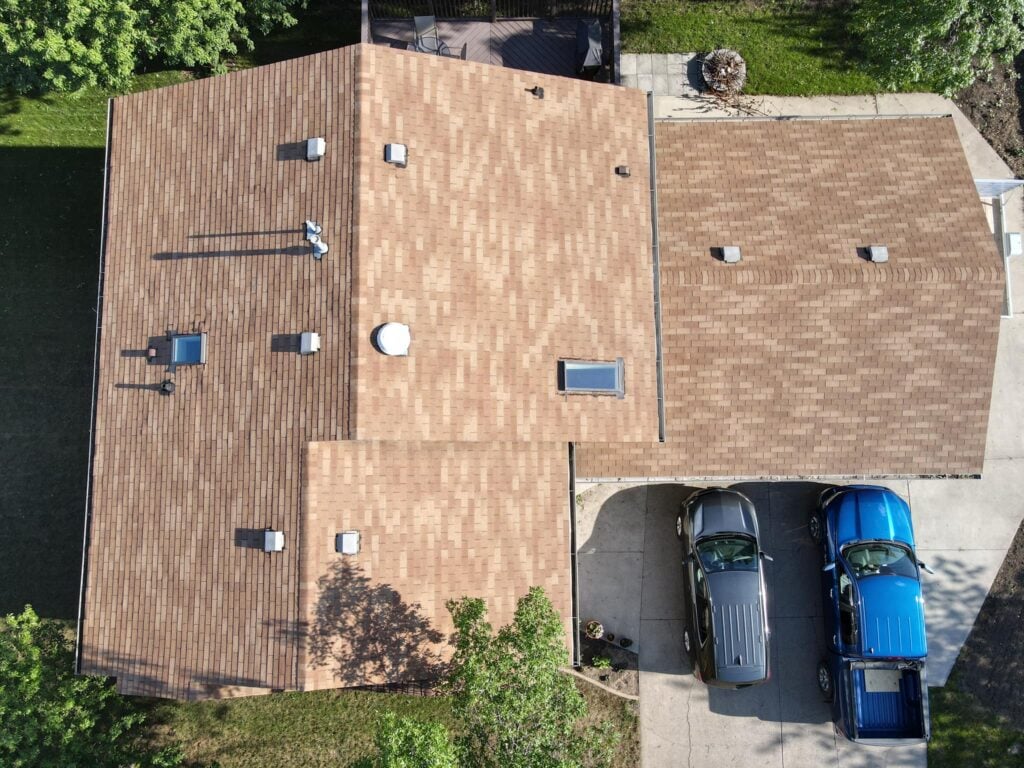
Understanding low slope roofing is essential for homeowners with flatter roof designs, especially in regions like Grand Forks and surrounding areas where snow, rain, and temperature extremes demand reliable protection. Low slope roofs are typically defined as having a pitch of less than 3:12, meaning they rise less than 3 inches for every 12 inches of horizontal run. While they may look flat, these roofs still require careful installation to ensure proper drainage and prevent water intrusion.
- Definition and function: Low slope roofs differ from steep-slope roofs in how they handle water.
- Material options: Not all roofing products are suitable for low slope conditions.
- Installation requires precision: Water doesn’t run off as quickly, so waterproofing is critical.
Let’s explore what low slope roofing is, what materials are commonly used, and how professionals install these systems correctly.
What Qualifies as a Low Slope Roof?
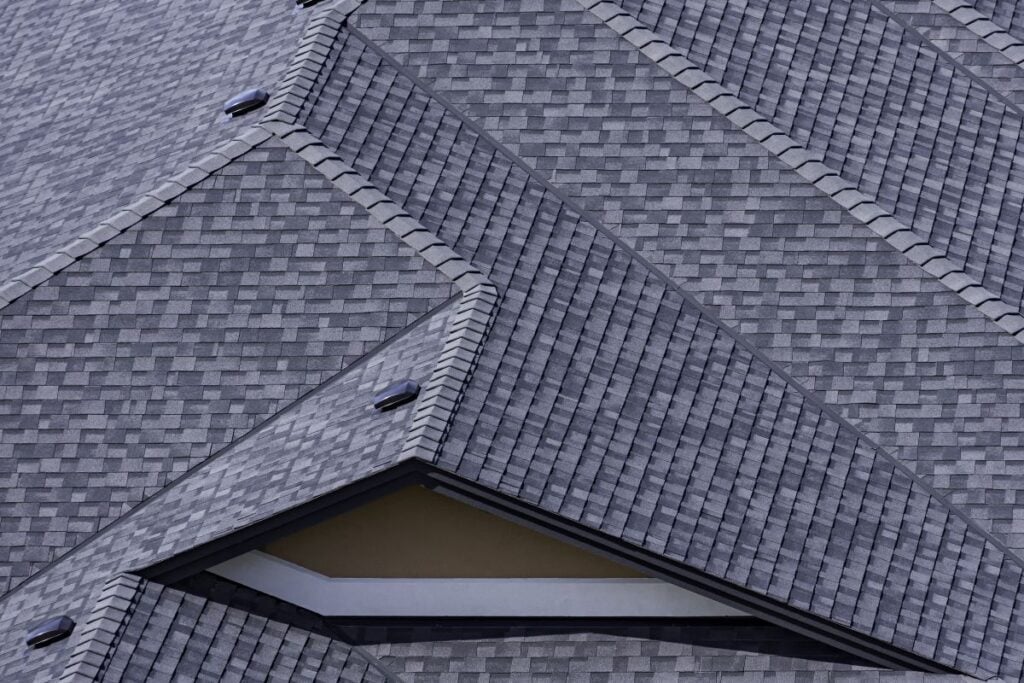
A low slope roof has a pitch between 1:12 and 3:12. That means for every 12 inches of horizontal run, the roof rises only 1 to 3 inches. These types of roofs are often found on modern homes, porches, additions, and even certain architectural styles.
Common Low Slope Applications
- Residential home additions: Attached garages, sunrooms, or porches
- Mid-century modern homes: Popular for minimalist flat-roof designs
- Manufactured or modular homes: Often built with shallower roof angles
Because water tends to drain more slowly from these surfaces, choosing the right materials and following a precise installation process is essential.
Materials Used for Low Slope Roofing
Not every roofing material works well on low slope surfaces. Traditional asphalt shingles, for example, are not recommended because water can back up underneath them.
Popular Low Slope Roofing Materials
- EPDM (rubber roofing): Flexible, affordable, and durable
- TPO (thermoplastic olefin): Heat-welded seams offer excellent waterproofing
- Modified bitumen: Asphalt-based and often applied in layers
- PVC roofing: Strong seams, chemical resistance, and long life span
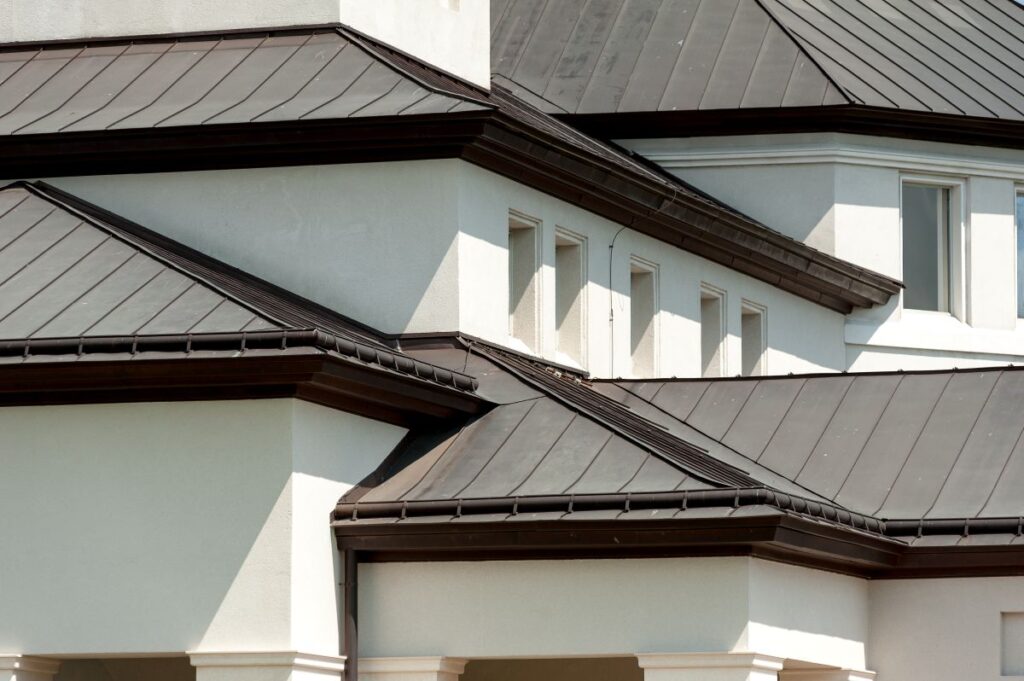
- Metal panels: Used on slightly steeper low-slope designs
Each option has pros and cons depending on your roof’s layout, budget, and performance goals.
6 Steps to Install Low Slope Roofing
Proper installation is key to long-term performance. Here are the steps professionals typically follow when installing a low slope roofing system.
1. Remove Old Roofing and Inspect the Deck
First, all old materials must be stripped away to expose the roof deck. This is also the time to check for signs of rot, mold, or sagging that may require repairs before proceeding.
2. Install Insulation and Tapering (If Needed)
Because low slope roofs don’t shed water quickly, installers may add tapered insulation to help direct water toward drains or gutters. Rigid foam boards are commonly used to boost energy efficiency and improve slope.
3. Lay Down a Vapor Barrier or Underlayment
A high-quality vapor barrier or synthetic underlayment is applied to keep moisture from penetrating into the structure. This is especially important in climates like Grand Forks, where freeze-thaw cycles can cause water damage over time.
4. Apply Roofing Membrane or Panels
This step varies depending on the material used:
- For EPDM or TPO: Large sheets are rolled out and adhered or mechanically fastened.
- For modified bitumen: Layers are applied using heat or adhesives.
- For metal panels: Panels are laid with tight seams and proper overlap.
All seams are sealed meticulously to prevent leaks.
5. Flash Roof Edges and Penetrations
Flashing is used to seal any area where the roofing material meets a wall, chimney, skylight, or vent. This prevents water from sneaking behind the membrane or panels. It’s one of the most critical steps in preventing long-term leaks.
6. Inspect and Test for Water Tightness
Before wrapping up, roofers will inspect the installation and often perform a water test to check for leaks. This final quality control step helps ensure everything was installed correctly and is watertight.
Pros and Cons of Low Slope Roofing
Low slope roofs come with their own set of advantages and potential drawbacks. While their modern look and space-saving benefits attract many homeowners, their design does require more careful attention to drainage and waterproofing. Here’s a closer look at what you can expect if you’re considering this roofing style.
Advantages
- Modern aesthetic: Clean lines and minimal profiles give homes a sleek, contemporary look.
- Easier maintenance: Their flatter design allows safer access for inspections, cleanings, and minor repairs.
- Efficient use of space: Perfect for placing solar panels, rooftop HVAC units, or even small green roof installations.
- Cost-effective for additions: Low slope roofs are commonly used for porches or garages, where steep slopes are unnecessary.
- Less visible from the street: Helps maintain curb appeal on multi-level homes by keeping additions unobtrusive.
Disadvantages
- Slower water drainage: These roofs drain more slowly, increasing the risk of standing water or ice dams.
- Limited material options: Only select roofing materials are rated for low slope use.
- More frequent inspections: Regular monitoring is essential to prevent leaks and catch early signs of wear.
- Increased waterproofing demands: Extra care must be taken with seams and flashing.
- Snow and debris buildup: Flatter surfaces can trap leaves or snow, requiring occasional removal to prevent damage.
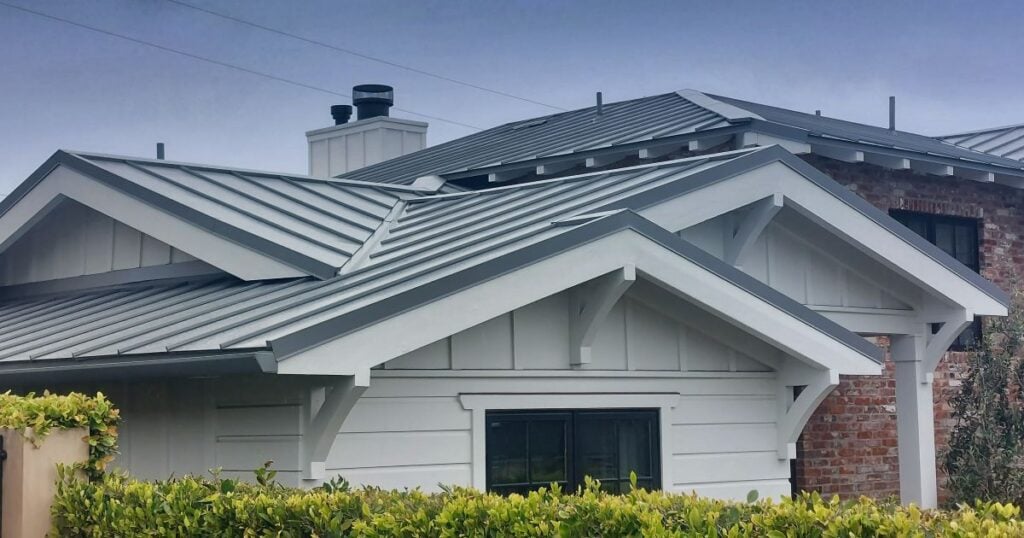
Comparison: Low Slope vs Steep Slope Roofs
| Feature | Low Slope Roof | Steep Slope Roof |
| Pitch | 1:12 to 3:12 | 4:12 or greater |
| Water Drainage | Slower | Faster |
| Material Options | Limited (EPDM, TPO, etc.) | Wide variety (shingles, tile, metal) |
| Maintenance Access | Easier and safer | More difficult and hazardous |
| Aesthetics | Modern and minimal | Traditional and varied |
| Snow Load Management | More accumulation | Better natural shedding |
| Solar Panel Suitability | Excellent | Requires orientation consideration |
Common Issues with Improper Installation
Improperly installed low slope roofing systems can lead to major issues, especially in regions with harsh winters.
Problems to Watch For
- Ponding water: Can lead to leaks, mold, or structural sagging
- Membrane separation: Causes water intrusion and early failure
- Poor flashing: One of the most common causes of low-slope roof leaks
Hiring a knowledgeable and experienced roofing contractor is the best way to avoid these headaches.
Get Low Slope Roofing Done Right
Low slope roofing offers both design flexibility and practical benefits when installed correctly. It’s a common solution for additions and modern homes throughout Grand Forks and surrounding areas, but it requires careful planning, proper materials, and professional craftsmanship.
At 5 Star Roofing and Contracting, we understand the unique challenges of low slope roofing and provide tailored solutions that protect your home year-round. From detailed inspections to flawless installation, we make sure your roof is watertight, energy-efficient, and built to last.
Contact 5 Star Roofing and Contracting today to schedule your free inspection and learn more about our low slope roofing options.