


Gutter Guard Installation: Are They Worth It?
A professional gutter guard installation runs roughly $7 to $20 per linear foot installed and protects one of the most overlooked but critical drainage systems on your home. Gutter guards protect your home by blocking debris, pests, and even wind-blown embers from entering and accumulating in your gutters. Metal gutter guards can block wind-blown embers from igniting dry leaves and debris inside gutters. Whether guards are worth it for your home depends on your tree cover, your roof pitch, the type of guard you choose, and how long you plan to stay put.
- Cost range: Most professionally installed gutter guards run $7 to $20 per linear foot, or $1,000 to $4,000 on an average home.
- Cleaning savings: Gutter guards typically reduce cleaning frequency by 50 percent or more, saving $150 to $300 per service.
- Damage prevention: Guards help prevent the overflow, ice dams, and foundation issues that drive the most expensive repair bills.
By reducing the need for frequent ladder work, gutter guards also minimize the risk of falls and injuries.
What Is a Gutter Guard and How Does It Work?
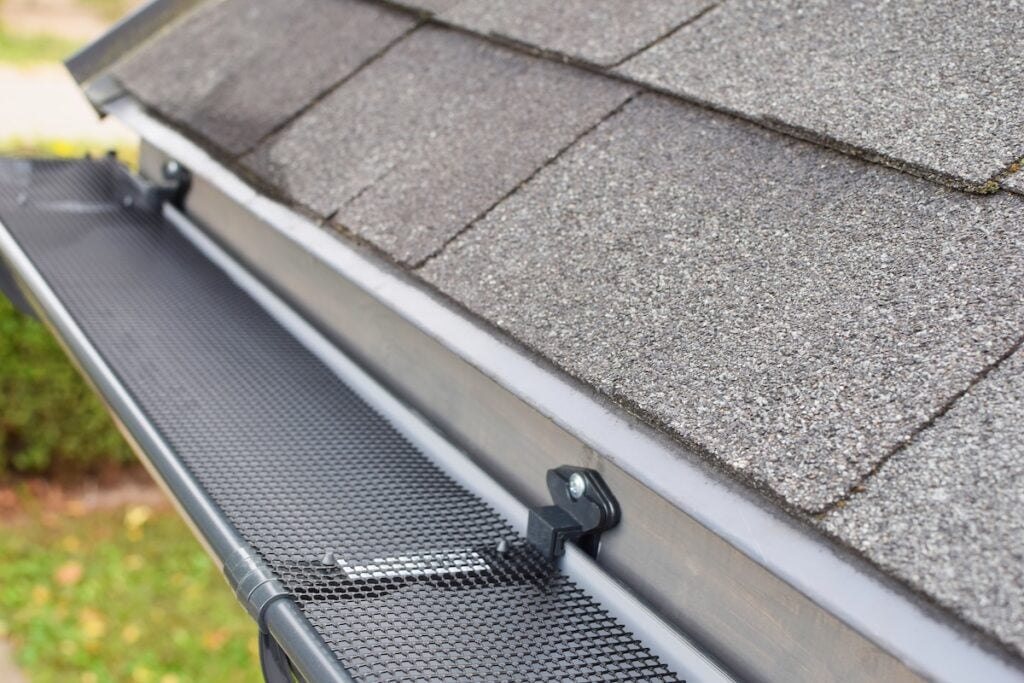
A gutter guard is a cover, screen, or filter installed over the open top of your gutter that allows rainwater to enter while keeping leaves, twigs, pine needles, seed pods, and other debris out. Gutter guards also act as a barrier against birds, rodents, and insects that often nest in open gutters. The right guard keeps your gutters flowing freely, protects the fascia and roof edge from rot, and dramatically reduces how often you or a contractor have to climb a ladder. Choosing the correct size by measuring the width of your gutters is important for proper fit and function.
How Do Gutter Guards Actually Keep Debris Out?
Gutter guards keep debris out by placing a physical barrier over the gutter opening that water can flow through but solid material cannot. Different guard styles use different mechanisms: micro-mesh screens filter water through a stainless steel or aluminum mesh fine enough to block pine needles, reverse-curve systems use surface tension to pull water around a curved lip while leaves fall to the ground, and basic foam or brush inserts physically fill the gutter cavity to block debris from settling. The right design depends on your tree cover, your roof pitch, and the kind of debris that tends to clog your gutters.
- Micro-mesh: Stainless steel mesh openings under one-millimeter block fine debris like pine needles and shingle grit.
- Reverse-curve: Solid covers with a curved lip use water surface tension to redirect rainwater into the gutter.
- Screen guards: Perforated metal or plastic screens are the most common DIY option and block large debris.
- Foam and brush: Inserts that fill the gutter cavity, cheapest but tend to trap debris on top.
What Are the Most Common Types of Gutter Guards?
The five main types of gutter guards are micro-mesh, reverse-curve, screen, foam, and brush, and each comes with a different cost, lifespan, and performance profile. Micro-mesh systems from brands like LeafFilter and HomeCraft tend to deliver the best filtration but cost the most, while reverse-curve covers like LeafGuard handle large debris well but can struggle with steep pitches and heavy downpours. Screen guards from brands like Amerimax and Raptor are the budget-friendly pick and work well for homes with mostly large debris like maple leaves.
- Micro-mesh guards: $9 to $20 per linear foot installed, lifespan of 20 plus years, best overall filtration.
- Reverse-curve guards: $10 to $33 per linear foot installed, lifespan of 20 plus years, excellent for large debris.
- Screen guards: $1 to $7 per linear foot DIY, $5 to $10 installed, lifespan of 5 to 10 years.
- Foam and brush inserts: $0.50 to $3 per linear foot DIY, lifespan of 2 to 5 years, cheapest entry point.
How Much Does Gutter Guard Installation Cost?
Professional gutter guard installation typically costs $1,000 to $4,000 on an average home, with per-foot pricing ranging from $7 to $20 depending on the guard style, contractor labor rates, and any gutter cleaning or repair work needed before installation. DIY installation cuts the price dramatically but comes with safety risks and usually shorter product warranties. For a successful job, careful measure and preparation are essential to ensure the gutter guards fit properly and function as intended.
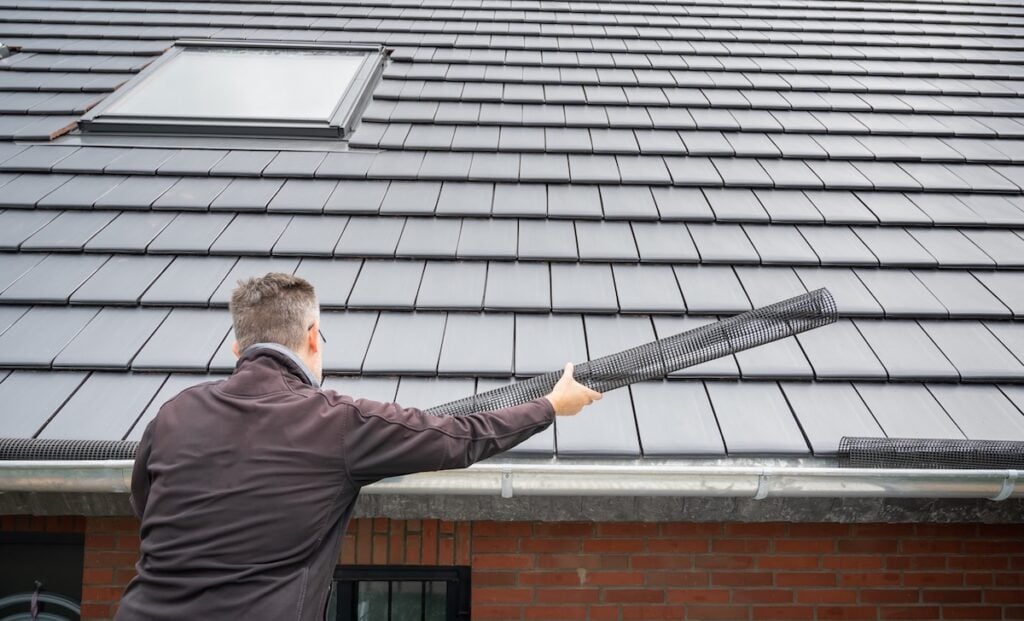
Before starting installation, cleaning out gutters and flushing them with water is crucial to remove leaves and debris and confirm proper water flow. The typical installation process involves cleaning the gutters, rolling out the mesh, and securing it to the gutter using screws or clips.
What Is the Average Cost Per Linear Foot?
Professionally installed gutter guards average $7 to $20 per linear foot for most micro-mesh and screen systems, with premium reverse-curve products reaching $25 to $33 per linear foot for the best-known brand-name systems. On a typical 160-linear-foot single-family home, that puts most installations between $1,100 and $3,200, with high-end systems running $4,000 to $5,000. DIY screen guards from a home improvement store can drop the material cost to under $1 per linear foot, though installation time and ladder risk are real costs of their own.
- Budget DIY screens: Under $1 per linear foot, $150 to $250 in materials for an average home.
- Mid-range professional micro-mesh: $7 to $15 per linear foot, $1,100 to $2,400 installed.
- Premium professional systems: $20 to $33 per linear foot, $3,200 to $5,300 installed.
- Add-on services: Pre-installation gutter cleaning typically adds $150 to $300 to the total.
What Drives the Price Up or Down?
Five main factors drive gutter guard installation cost: the guard type and brand, your home’s linear footage, the height and accessibility of your roofline, any gutter repair or replacement needed before installation, and your local labor rates. Two-story homes and steep roof pitches add 15 to 30 percent to labor costs because installers need ladders, harnesses, and sometimes scaffolding. Existing gutters in poor condition may need to be replaced before guards can be installed, which can double the total cost.
- Linear footage: More gutter line means more guard material and more installation time.
- Home height: Two and three-story homes cost more due to safety equipment and slower work pace.
- Roof pitch: Pitches over 8/12 add labor cost and limit which guard types perform well.
- Gutter condition: Sagging, leaking, or undersized gutters often need replacement before guards go on.
When measuring gutters for installation, add 250-500mm to each gutter-length measurement to account for overlap and cutting errors. To measure the size of your gutter, start at the front top outer lip and measure straight back to the fascia, just under the roof line. For safety, measure each gutter length from the ground, or if measuring from the roof, use a secured ladder and proper safety equipment.
Are Gutter Guards Actually Worth the Investment?
Gutter guards are worth the investment for most homeowners with mature tree cover, multi-story homes, or a long ownership timeline, because the cost typically pays for itself in five to seven years through reduced cleaning bills and avoided water damage repairs. The math is less favorable for homeowners with short-term ownership plans, single-story homes with no nearby trees, or very tight budgets where a simple twice-yearly cleaning makes more financial sense.
How Much Money Do Gutter Guards Save Over Time?
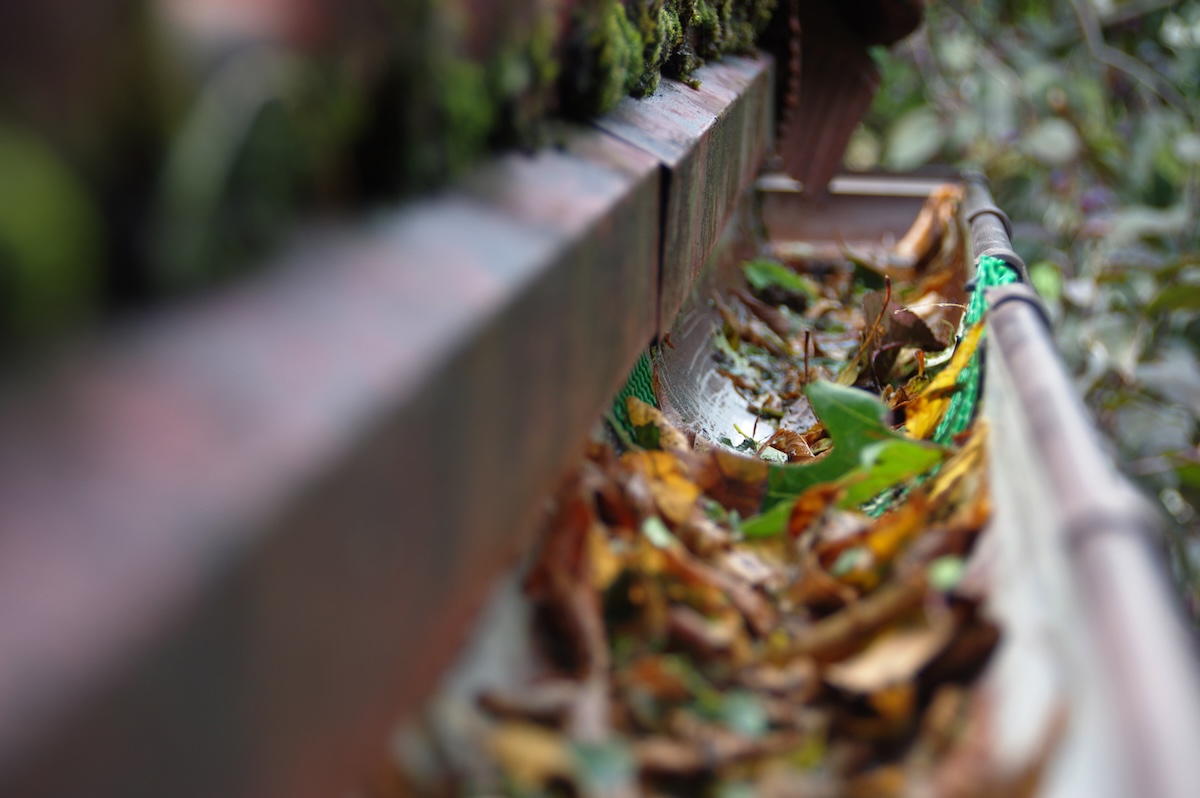
Gutter guards save the average homeowner $300 to $600 per year by eliminating two professional gutter cleanings annually that typically cost $150 to $300 each. Over the 20-plus-year lifespan of a quality micro-mesh system, that adds up to $6,000 to $12,000 in avoided cleaning fees, easily exceeding the upfront installation cost. Guards also help prevent the more expensive damage that clogged gutters cause, including ice dams, fascia rot, soffit damage, and foundation water intrusion.
According to the Insurance Information Institute, about one in 67 insured homes files a property damage claim caused by water damage or freezing each year, making it one of the most common and costly homeowners insurance claims behind only wind and hail damage.
- Annual cleaning savings: $300 to $600 in avoided professional gutter cleanings.
- Lifetime savings: $6,000 to $12,000 over the 20-plus-year lifespan of quality guards.
- Avoided repairs: Fascia replacement, soffit repair, and basement waterproofing easily run $2,000 to $10,000.
- Time savings: Several hours of ladder time per year reclaimed by the homeowner.
Do Gutter Guards Prevent Water Damage?
Gutter guards significantly reduce the risk of water damage caused by clogged or overflowing gutters, but they are not a guarantee against all water-related issues. When debris blocks a gutter, water spills over the side and pools against the foundation, soaks the fascia and soffit, and freezes into ice dams that lift shingles in winter. By keeping the gutter flow path clear, guards prevent the cascading damage that turns a $200 cleaning into a $5,000 repair.
- Foundation protection: Free-flowing gutters direct water away from the foundation footing.
- Fascia and soffit: Guards prevent the constant moisture that rots wood roof edges over time.
- Ice dam reduction: Clear gutters allow snowmelt to drain instead of refreezing at the eave.
- Basement dryness: Proper drainage at the eaves prevents water from saturating the soil around the basement wall.
Frequently Asked Questions
How Long Do Gutter Guards Last?
Quality professional gutter guards typically last 20 years or more, with micro-mesh and reverse-curve systems often carrying lifetime warranties from major brands. Budget screen and foam guards last 5 to 10 years before degrading from UV exposure and debris buildup. Lifespan also depends on tree cover, climate, and how often the guards are cleared of accumulated surface debris.
Do You Still Have to Clean Gutters With Guards?
Yes, most gutter guards reduce but do not eliminate the need for cleaning. Surface debris like pine needles, seed pods, and shingle grit can accumulate on top of the guard and need to be brushed or blown off every one to three years. The good news is that surface cleaning is much faster, cheaper, and safer than scooping wet leaves out of an open gutter.
Will Gutter Guards Void My Roof Warranty?
Gutter guards that lift shingles or attach to the roof deck can potentially void a shingle manufacturer’s warranty. Quality professional installations attach to the gutter itself or use a hidden hanger system that does not disturb the shingles. Always confirm the installation method with both your roofer and your guard installer before agreeing to the work.
Are DIY Gutter Guards as Good as Professional Ones?
DIY gutter guards from home improvement stores can perform well on simple single-story homes with mostly large debris, but they generally do not match the filtration, lifespan, or warranty coverage of professional systems. Many homeowners who choose to install gutter guards themselves rely on online videos for step-by-step installation guidance. DIY installation also means climbing ladders, which causes hundreds of homeowner injuries every year. For multi-story homes or tricky roof lines, professional installation is the safer and longer-lasting choice.
Do Gutter Guards Help With Ice Dams?
Gutter guards help reduce ice dams by keeping gutters clear so snowmelt can drain instead of refreezing at the eave, but they are not a complete solution. Ice dams primarily form because of warm attic air melting snow on the upper roof, so proper attic insulation and ventilation matter just as much as gutter protection. Guards plus a balanced attic system give the best ice dam defense.
How Long Does Gutter Guard Installation Take?
Professional gutter guard installation on an average home takes three to six hours from start to finish, including any pre-installation gutter cleaning and minor repairs. Installation may require cutting mesh to fit around corners and customizing materials for a precise fit, especially on tiled roofs or complex rooflines. Larger homes or homes with multiple roof levels can stretch the work into a full day. Most homeowners do not need to be home during the installation as long as the contractor has yard access.
Why 5 Star Roofing Is the Right Choice for You
When you weigh the cost of gutter guard installation against years of climbing ladders, paying for cleanings, and risking expensive water damage, the value is clear, and choosing the right contractor makes all the difference. 5 Star Roofing and Contracting brings the credentials homeowners look for in a long-term protection upgrade, including IKO ShieldPRO Certified Contractor status, HomeAdvisor Top Rated recognition, full licensing, and around-the-clock availability for emergency repairs. Our team inspects your existing gutters, recommends the guard style that fits your tree cover and roof pitch, and installs everything with a workmanship guarantee that protects your investment. Reach out to 5 Star Roofing and Contracting today for a free, no-pressure quote on gutter guard installation and find out exactly what guards will cost and save on your specific home.


