


Roof Inspection Services: What to Expect From Your Contractor
Booking roof inspection services is one of the simplest things you can do to protect your home, and most homeowners are surprised by how much a good inspection actually covers. A solid roof inspection looks at far more than just shingles, including your gutters, flashing, attic, and signs of past leaks, and it usually finishes with a written report you can hang onto for insurance or future repairs. Knowing what to expect ahead of time helps you ask better questions, pick the right contractor, and feel confident that the work was done thoroughly.
- What it covers: A good inspection checks the roof surface, flashing, gutters, attic, and any past repair areas.
- How long it takes: Most home inspections take 45 minutes to 90 minutes, depending on the size and layout of the roof.
- What you get: A written report with photos and clear recommendations for any repairs.
What Is a Roof Inspection and Why Does It Matter?
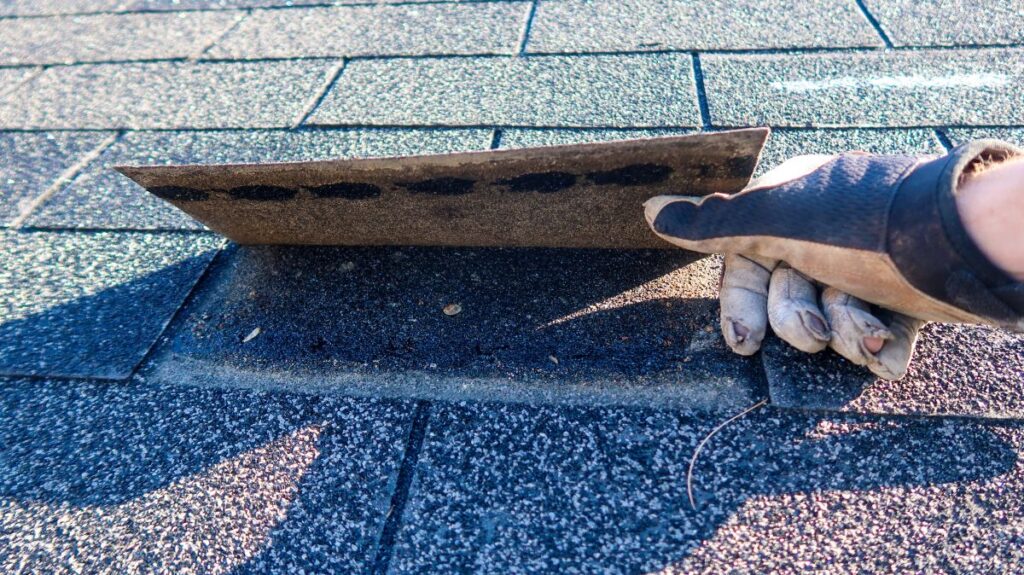
A roof inspection is a careful, top-to-bottom look at your roof system by a trained roofing contractor. It’s a small step that helps you avoid the much bigger cost of catching a leak too late.
Why Should Homeowners Get Regular Roof Inspections?
Regular roof inspections matter because small problems usually start out invisible and slowly grow into expensive repairs. A missing shingle, a cracked seal around a vent, or a small spot of water damage in the attic can sit unnoticed for months while the damage spreads to insulation, drywall, and even the structure underneath. Catching those problems early often turns a $300 repair into the only repair you need, instead of a $5,000 fix later. Inspections also help you stay on top of your warranty requirements and give you a paper trail if you ever need to file an insurance claim.
- Catches small issues early: Cracked seals, loose flashing, and lifted shingles are easy to fix when caught early.
- Protects your warranty: Most roofing warranties require regular inspections to stay valid.
- Helps with insurance claims: A recent inspection report is strong evidence after a storm.
- Peace of mind: You’ll know exactly what shape your roof is in instead of guessing.
How Often Should You Schedule an Inspection?
Most homeowners should schedule a roof inspection twice a year, usually once in the spring and once in the fall, plus another one after any big storm. Spring inspections catch winter damage like ice dam wear, lifted shingles, and gutter strain, while fall inspections get the roof ready for the cold months ahead. After hail, high winds, or heavy snow, an extra inspection helps you spot damage quickly and document it before it gets worse.
- Spring: Checks for winter damage and gets the roof ready for spring rain.
- Fall: Prepares the roof for winter snow, ice, and freeze-thaw cycles.
- After storms: Hail, high winds, or heavy snow all justify an extra inspection.
- Before buying or selling: A current inspection report is helpful in any home sale.
What Does a Roof Inspection Actually Cover?
A thorough roof inspection covers far more than just walking on the roof and looking around. A good contractor checks the inside, the outside, the drainage system, and everything in between, then puts it all in a written report.
What Does the Contractor Check on the Outside?
The outside portion of the inspection looks at every part of the roof surface you can see from a ladder or the roof itself. The contractor checks the condition of the shingles or panels, looks closely at the flashing around chimneys, skylights, and vents, walks the gutters, and inspects all the edges and valleys where water tends to collect. Anything that looks worn, lifted, cracked, or out of place gets photographed and noted in the report.
- Shingles or panels: Looking for missing pieces, lifted edges, granule loss, or cracks.
- Flashing: Checking the seals around chimneys, skylights, vents, and roof edges.
- Gutters and downspouts: Making sure water flows freely and there’s no damage.
- Valleys and edges: Inspecting the high-traffic water areas where leaks usually start.
What Does the Contractor Check on the Inside?
The inside portion of the inspection happens in your attic and along the ceilings of your top-floor rooms. The contractor looks for water stains, mold, mildew, daylight coming through the roof deck, and any signs of past or current leaks. Insulation that’s damp, matted, or discolored is a strong sign water has gotten in somewhere. A good inspector also checks the attic for proper airflow, since poor ventilation is one of the most common causes of premature roof wear.
- Water stains: Brown or yellow spots on the ceiling or attic wood suggest past leaks.
- Daylight or gaps: Visible light coming through the roof deck means trouble.
- Insulation condition: Damp or matted insulation usually means water has gotten in.
- Attic ventilation: Proper airflow keeps the roof cooler and helps it last longer.
6 Things to Expect When You Hire a Roof Inspection Service
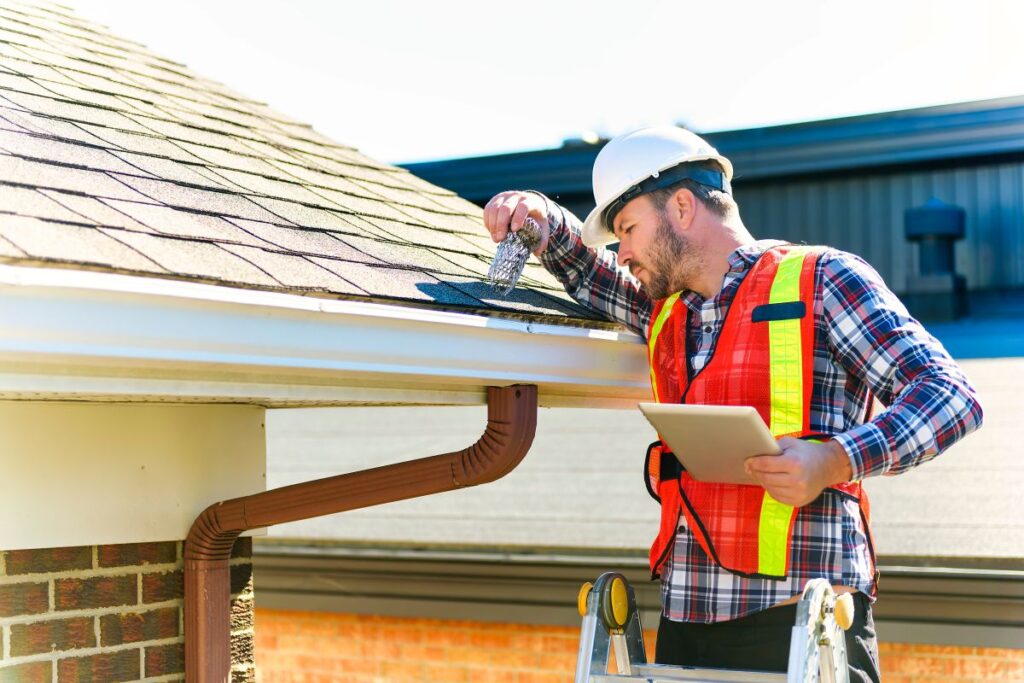
Knowing what to expect ahead of time helps you choose the right contractor and feel confident the work is being done right. Here are six things every good inspection should include, no matter who you hire.
1. A Professional Who Shows Up On Time and Prepared
A good roof inspection starts with a contractor who arrives on time, in a marked vehicle, and with the right gear to do the work safely. That means proper ladders, fall protection, and clean shoes that won’t track up your home if they need to access the attic. The crew should introduce themselves, walk you through what they’re going to do, and answer any questions before they start. Showing up prepared is a small thing, but it’s one of the clearest signs you’re working with a contractor who takes the work seriously.
- On-time arrival: Within the scheduled window, with a quick call if anything changes.
- Right equipment: Ladders, safety gear, cameras, and inspection tools.
- Friendly introduction: A quick walk-through of what they’ll be doing.
- Respect for your home: Clean shoes, careful access, and no damage to your landscaping.
2. A Walk Around the Outside of Your Home First
Before climbing the ladder, a good contractor walks the perimeter of your home and looks at the roof from the ground. From down below, they can see the overall shape of the roof, spot any obvious sagging or missing shingles, and check the gutters, downspouts, fascia, and soffits up close. This ground-level walk often catches problems that are harder to see from above, like water staining on the siding or damaged trim.
- Roof shape: Looking for sagging, uneven planes, or anything obviously out of place.
- Gutters and downspouts: Checking for separation, sagging, and water marks.
- Fascia and soffits: Looking for rot, peeling paint, or signs of water damage.
- Siding stains: Streaks below gutters or roof edges suggest drainage issues.
3. A Careful On-Roof Inspection
The on-roof portion is where the contractor really gets into the details. They walk every plane of the roof, check the condition of every shingle or panel, and pay extra attention to the spots where leaks usually start. That includes valleys, the seals around vents and pipes, the flashing along chimneys and skylights, and the area near any past repairs. If a roof is too steep or too damaged to walk safely, a drone or extended camera is used instead.
- Every roof plane: Each section walked or carefully viewed.
- High-risk spots: Valleys, flashing, and around penetrations get extra attention.
- Past repair areas: Older patches checked to make sure they’re still doing their job.
- Drone backup: Used when walking the roof isn’t safe or practical.
4. An Attic and Interior Check
After the roof, the contractor heads inside to check your attic and the top of any rooms below the roof. This is where you find evidence of leaks that haven’t yet shown up outside. Stained insulation, soft spots in the roof deck, daylight through the boards, and musty smells all tell a story about how the roof is performing. A skipped attic check is one of the most common reasons leaks get missed during cheap inspections.
- Attic ceiling: Looking up at the roof deck for stains, soft wood, or visible daylight.
- Insulation: Checking for damp spots, mold, or anything matted down.
- Ventilation: Making sure soffit and ridge vents are working and not blocked.
- Top-floor ceilings: Inside rooms checked for stains or bubbling paint.
5. A Written Report With Photos
A good inspection always ends with a written report, not just a verbal summary. The report should include date-stamped photos of anything the contractor found, a clear description of each issue, and a recommendation for what to do about it. Reports without photos or specific recommendations aren’t very useful, and they don’t hold up well if you ever need to use them for an insurance claim or a real estate sale.
- Date-stamped photos: Visual proof of every finding.
- Clear descriptions: Plain language explaining what’s wrong and why it matters.
- Recommendations: Specific next steps, ranked by how urgent they are.
- Cost estimates: Honest pricing for anything that needs to be fixed.
6. An Honest Conversation About What Comes Next
The final part of a good roof inspection is a sit-down with the homeowner to walk through the findings in plain language. The contractor should explain what they found, what’s urgent, what can wait, and what’s just normal wear for the age of the roof. There should be no pressure to schedule repairs on the spot, and the contractor should be happy to answer any questions you have about the report. If something feels rushed or pushy, that’s usually a sign to get a second opinion.
- Plain-language explanation: No jargon, just clear information.
- Honest priorities: What needs to be fixed now versus what can wait.
- No pressure: A good contractor gives you time to make decisions.
- Time for questions: Plenty of room to ask anything you’re unsure about.
What Does a Roof Inspection Cost?
Most professional roof inspections cost between $150 and $400, depending on the size and complexity of your home. Many contractors offer free inspections if you’re already considering repairs or a replacement.
When Are Free Inspections Worth It?
Free inspections are common in the roofing industry, and they can be a great way to get a professional opinion without spending anything up front. The trade-off is that free inspections are often offered by contractors hoping to win a repair or replacement, which can mean a slight bias toward recommending more work. As long as you understand that, free inspections are usually fine, especially if you’re already thinking about repairs or want a second opinion. For pure peace-of-mind inspections with no repair plans, a paid inspection from a contractor with no skin in the game can be worth the cost.
- Best for new concerns: Free inspections work well when you suspect a problem.
- Storm damage: Most reputable contractors offer free post-storm inspections.
- Real estate sales: A paid, third-party inspection carries more weight in a sale.
- Annual checkups: Either works, depending on your relationship with the contractor.
Frequently Asked Questions

How Long Does a Roof Inspection Take?
Most home roof inspections take 45 minutes to 90 minutes from arrival to the final walkthrough. Larger homes or homes with complex rooflines might take up to two hours. The report itself is usually sent to you within one to three business days.
Do I Need to Be Home During the Inspection?
You don’t have to be home for the outside portion of the inspection, but you’ll need to give the contractor access to the attic, which usually means being there or arranging access. Most homeowners prefer to be home so they can ask questions during the final walkthrough.
Can I Inspect My Roof Myself?
You can do a basic visual check from the ground or from a window, but actually walking the roof or climbing into the attic is best left to a professional. Roofing accidents send thousands of homeowners to the ER every year, and untrained eyes often miss the small details that lead to bigger problems.
Will an Inspection Damage My Roof?
A professional inspection should not damage your roof. Trained inspectors know how to walk safely on different roof types and avoid any spots that could be damaged. If you have concerns, ask your contractor what precautions they take before they climb up.
Does Insurance Cover Roof Inspections?
Most homeowners insurance policies don’t cover routine inspections, but inspections after storm damage are often free from your roofing contractor and can support a claim. Keep a recent inspection report on file so you have proof of your roof’s condition before any storm damage happens.
How Do I Choose a Roof Inspector?
Look for a licensed, insured contractor with good local reviews and clear communication. Ask for proof of insurance, a sample inspection report, and references from recent customers. Avoid anyone who pressures you to commit to repairs on the spot or who shows up uninvited after a storm.
Why 5 Star Roofing and Contracting Is the Right Choice for Your Roof Inspection
A good roof inspection should leave you feeling informed, not pressured, and that’s exactly what 5 Star Roofing and Contracting delivers on every visit. As an IKO ShieldPRO Certified Contractor, HomeAdvisor Top Rated company, and fully licensed local contractor with 24/7 emergency repair availability, our team brings the experience and care you want when someone is up on your roof. We walk you through every finding in plain language, take photos of anything we recommend addressing, and give you the time and information you need to decide what comes next. Reach out to 5 Star Roofing and Contracting today to schedule a free, no-pressure roof inspection and get a clear picture of exactly where your roof stands.