


4 Signs of Roof Water Damage, Causes, And Solutions
Roof water damage is one of the most common and expensive problems a homeowner can deal with, and it almost always starts with small clues that are easy to miss. A faint stain on the ceiling, a slightly musty smell in a closet, or a few loose granules in the gutter can all be early warning signs of a leak that’s been working on your home for weeks or months. Catching these signs early is the difference between a quick repair and a major fix, so knowing what to look for protects your home, your budget, and your peace of mind.
- Why it matters: Small leaks turn into big repair bills when they’re ignored.
- What to watch for: Stains, mold, sagging spots, and missing shingles are the four biggest warning signs.
- How to fix it: Most water damage can be repaired affordably if you catch it early.
What Is Roof Water Damage?
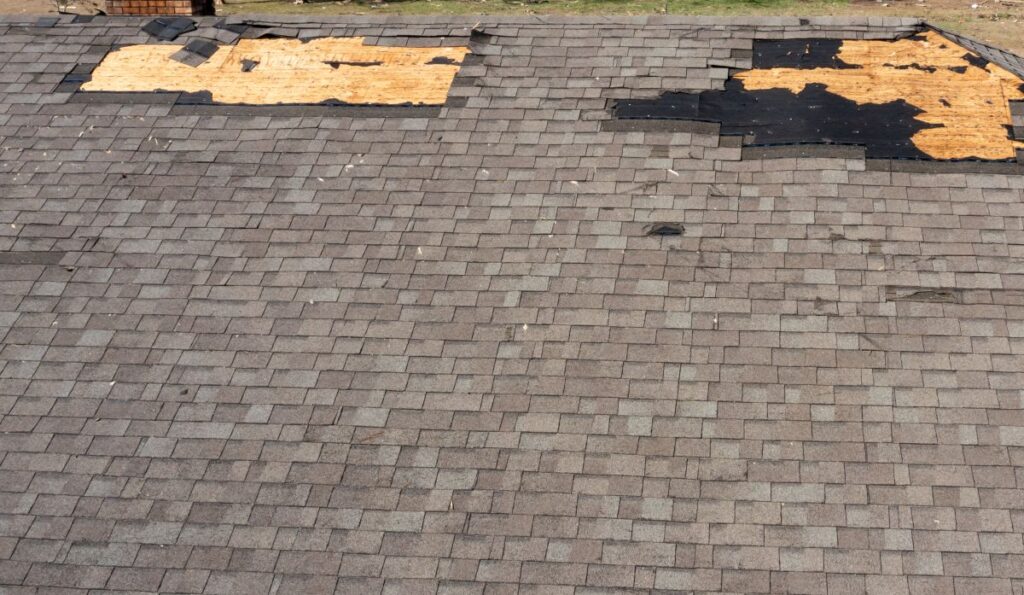
Roof water damage is any harm to your home caused by water getting through the roof and into places it shouldn’t. The damage can show up on the roof itself, in the attic, in your ceilings, or even down into the walls and floors.
How Does Water Get Through a Roof?
Water gets through a roof when something on the surface fails, even a little. Missing or cracked shingles, worn-out flashing around chimneys and vents, clogged gutters, and damaged seals around skylights are the most common entry points. Once water gets past the outer layer, it soaks into the underlayment, the wood roof deck, and eventually your attic insulation. From there it can travel a long way before it finally shows up as a stain on a ceiling, which is one reason leaks are often worse than they look.
- Damaged shingles: Missing or cracked shingles let water through to the deck.
- Worn flashing: Old metal seals around chimneys and vents are a top leak source.
- Clogged gutters: Water backs up under the shingles when gutters overflow.
- Failed seals: Cracked or aged sealant around skylights and pipes lets water in.
Why Is Water Damage Such a Big Deal?
Water damage is a big deal because it doesn’t stay in one place and it doesn’t stop on its own. A small leak from a single shingle can soak hundreds of square feet of insulation over a season, ruin drywall, warp wood, and create mold that affects indoor air quality. Mold is especially serious because it can grow quickly once a surface is wet, which means even a short delay in fixing a leak can turn a repair job into a remediation job.
According to the U.S. Environmental Protection Agency, water-damaged areas and items should be dried within 24 to 48 hours to prevent mold growth, because mold can begin growing on wet surfaces in that timeframe and will continue to grow as long as the moisture source isn’t addressed.
- Spreads fast: Water moves sideways through insulation and far from the leak source.
- Damages structure: Wet wood swells, warps, and eventually rots.
- Triggers mold: Mold can grow within 24 to 48 hours of moisture exposure.
- Costs add up: Small leaks become expensive repairs when ignored.
4 Signs of Roof Water Damage
Most roof leaks give off warning signs long before they cause major damage. These are the four most common signs every homeowner should know how to spot.
1. Stains or Discoloration on Ceilings and Walls
Brown, yellow, or rust-colored stains on your ceiling or upper walls are the most common sign of roof water damage. These stains form when water passes through your insulation, picks up dust and minerals, and shows up on the drywall below. Stains are sometimes small and round, sometimes large and irregular, and they often show up in the corners of upper-floor rooms or in hallways under the attic. Even if a stain looks dry, it usually means water has been there at some point and may come back the next time it rains.
- Color clues: Yellow, brown, or rusty rings often mean past or current water leaks.
- Common spots: Ceilings on the top floor, hallway ceilings, and around chimneys.
- Bubbled paint: Paint that’s lifting or bubbling means active or recent moisture.
- Recurring stains: Stains that come back after touch-up paint are a sure sign of an active leak.
2. Mold, Mildew, or Musty Smells
Mold and mildew are a clear sign that water has been sitting somewhere in your home long enough to support growth. Mold can show up as black, green, gray, or even white spots on ceilings, walls, and inside closets or attics. A musty smell, even without visible mold, is just as telling, because it often means hidden mold is growing somewhere out of sight. Mold is more than an eyesore, since it can affect indoor air quality and trigger allergies and asthma in sensitive people.
- Visible spots: Black or green patches on ceilings, walls, or attic wood.
- Musty odor: A damp, earthy smell often means hidden mold.
- Bathroom and closet mold: Mold in upper-floor closets is often roof-related.
- Around vents and chimneys: These are common spots for hidden moisture.
3. Sagging Ceilings or Soft Spots
A ceiling that looks bowed, drooped, or soft to the touch is a serious sign that water has soaked the drywall above. The drywall has absorbed enough moisture to lose its shape and strength, which means there’s been a leak above for some time. Sagging ceilings can also point to damage in the roof structure itself, including soft sheathing or rotted rafters. This is one of the most urgent signs of roof water damage, because a sagging ceiling can collapse if the moisture continues unchecked.
- Bowed drywall: Visible droop in the ceiling, often near corners or fixtures.
- Soft to the touch: Pressing lightly leaves a dent or feels spongy.
- Cracking or peeling: Cracks in the ceiling along with sagging means active damage.
- Action needed: This sign calls for an immediate professional inspection.
4. Missing, Damaged, or Granule-Heavy Shingles
The roof itself is the first place to see signs of trouble, and damaged or missing shingles often go hand in hand with leaks inside. Curled, cracked, or lifted shingles let water get under them, and missing shingles leave the underlayment exposed. Asphalt shingles also shed protective granules as they age, and a sudden buildup of granules in the gutters or splash blocks usually means the shingles are nearing the end of their life. Any of these signs should prompt a closer look at the roof.
- Missing shingles: Bare spots on the roof are an immediate concern.
- Curled or cracked: Lifted edges or splits let water in below.
- Granules in gutters: A heavy layer of granules signals shingles are wearing out.
- Streaks or stains: Dark vertical streaks often mean algae growth and worn shingles.
What Causes Roof Water Damage in the First Place?
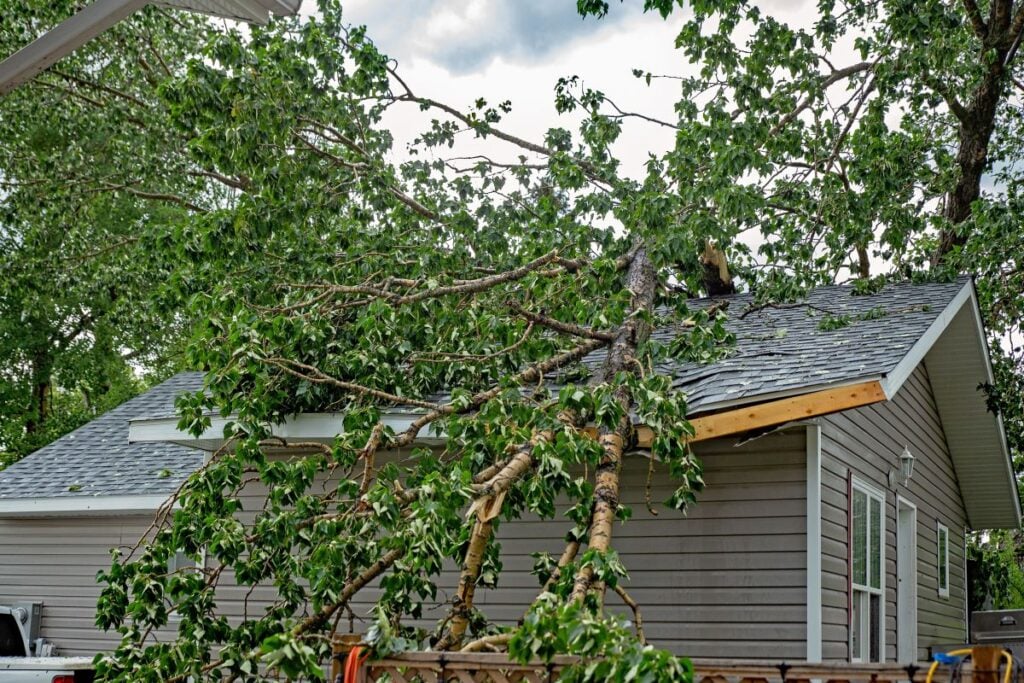
Knowing what causes roof water damage helps you spot the source and stop it before it gets worse. Here are the most common causes that lead to leaks and the damage they create.
What Are the Most Common Causes?
The most common causes of roof water damage are aging materials, storm damage, poor flashing work, clogged gutters, and ice dams. Older roofs simply wear out and start letting water through. Storms can rip off shingles or crack flashing in a single afternoon. Bad flashing around chimneys, skylights, and vents is one of the biggest sources of recurring leaks. Clogged gutters back water up under the shingle edge, and ice dams form when snow melts on a warm roof and refreezes at the colder eaves.
- Aging materials: Most asphalt roofs need replacement after 20 to 30 years.
- Storm damage: High winds, hail, and falling branches all cause leaks.
- Bad flashing: Worn or poorly installed flashing is a top leak source.
- Clogged gutters: Backed-up water gets under the shingles at the roof edge.
- Ice dams: Refrozen meltwater pushes up under shingles in winter.
Why Do Some Roofs Leak Even Though They Look Fine?
Plenty of roofs that look fine from the ground are leaking. Many leaks start at flashing joints, around vent boots, or under shingles that look perfectly intact from below. Tiny cracks in sealant, lifted nail heads, and worn pipe boots are all invisible from the street but can let in real amounts of water. Even brand-new roofs can leak if the original installation missed a flashing detail or skipped a critical underlayment step. That’s why a professional inspection often catches problems homeowners would never spot themselves.
- Hidden flashing: Cracks in sealant around vents and chimneys are easy to miss.
- Lifted nails: Nails that have backed out create small entry points.
- Worn pipe boots: The rubber boots around plumbing vents typically fail before the shingles do.
- Installation issues: New roofs sometimes leak because of missed details during install.
What Are the Solutions for Roof Water Damage?
The right solution depends on how much damage there is, where it’s coming from, and how old your roof is. Sometimes it’s a quick fix, and sometimes it means a full replacement.
What Are the Most Common Repairs?
Most roof water damage repairs fall into a few categories: replacing damaged shingles, redoing flashing, sealing around penetrations, or replacing failed pipe boots. These targeted repairs are usually quick, affordable, and effective if the rest of the roof is still in good shape. A skilled contractor can spot the source of a leak, fix the damage, and check nearby areas to make sure the same problem isn’t happening elsewhere. Most repairs cost a few hundred to a couple thousand dollars depending on the scope.
- Shingle replacement: Swap out damaged or missing shingles in the affected area.
- Flashing repair: Reseal or replace the metal around chimneys, skylights, and vents.
- New pipe boots: Replace worn rubber boots around plumbing vents.
- Sealant refresh: Reseal exposed mastic and joints with manufacturer-approved sealants.
When Is a Full Roof Replacement Needed?
Sometimes the damage is too widespread or the roof is too old for targeted repairs to make sense. If your roof is past 20 years old, has multiple leak points, has lost a lot of granules, or has visible sagging in the deck, full replacement is usually the better long-term move. Replacing a roof preventively often costs less than the cumulative cost of constant repairs, and you reset the clock on your warranty and insurance coverage.
- Age: Most asphalt roofs need replacement at 20 to 30 years.
- Multiple leaks: Several active leaks usually means the system is failing.
- Heavy granule loss: Bald spots on shingles mean the protective layer is gone.
- Deck damage: Sagging or soft decking calls for major work.
Can You Fix Roof Water Damage Yourself?
Some small repairs, like clearing gutters or applying touch-up sealant, are reasonable do-it-yourself jobs for a homeowner who’s comfortable on a ladder. Anything more than that, including actually walking on the roof or fixing flashing, is best left to a professional. Roofing accidents send thousands of homeowners to emergency rooms every year, and improper repairs often void warranties and create bigger leaks down the road. The savings from a DIY fix usually disappear the first time the repair fails.
- Safe DIY: Clearing gutters, checking the attic, taking ground-level photos.
- Hire a pro for: Walking the roof, replacing shingles, redoing flashing, sealing penetrations.
- Safety risk: Falls from roofs are one of the leading causes of home injury.
- Warranty concerns: Improper repairs often void manufacturer warranties.
Frequently Asked Questions
How Quickly Should I Fix a Roof Leak?
You should address a roof leak as soon as you spot it, ideally within 24 to 48 hours, because mold can start growing in wet materials in that timeframe. Until a contractor can get out, place buckets under any active drips and move belongings out of the way to limit the damage.
Will My Insurance Cover Roof Water Damage?
Homeowners insurance usually covers sudden water damage from things like storms or fallen trees, but it generally doesn’t cover gradual damage from a slow leak or poor maintenance. Filing a claim quickly with photos and a contractor’s report gives you the best shot at coverage.
How Much Does Roof Water Damage Repair Cost?
Roof water damage repair typically costs $400 to $2,000 for targeted fixes like shingle replacement, flashing repair, or new pipe boots. Major repairs that include interior drywall, insulation replacement, or mold remediation can run $3,000 to $10,000 or more. Catching damage early always costs less.
How Can I Prevent Roof Water Damage?
The best prevention is twice-yearly roof inspections, regular gutter cleanings, prompt repair of any storm damage, and good attic ventilation. Trimming overhanging branches and replacing pipe boots before they fail also go a long way toward keeping water out.
How Do I Know If the Damage Is in My Roof or Somewhere Else?
Roof leaks usually show up in upper-floor ceilings, top-floor closets, or in the attic, and they often follow rain or snow. Damage from plumbing leaks or HVAC issues typically shows up on lower floors and isn’t tied to weather. A professional inspection can pin down the exact source.
Should I Get an Inspection Even If I Don’t See Damage?
Yes, regular inspections are the best way to catch problems before you see them. Most homes benefit from a professional roof inspection twice a year and after any major storm, even if nothing looks wrong from the ground.
Why 5 Star Roofing and Contracting Is the Right Choice for Roof Water Damage
When you spot the signs of roof water damage, the contractor you call makes a huge difference in how quickly the problem gets solved and how well your home stays protected. 5 Star Roofing and Contracting brings the experience and reliability homeowners need, including IKO ShieldPRO Certified Contractor status, HomeAdvisor Top Rated recognition, full licensing, and 24/7 emergency repair availability for leaks that can’t wait. Our team finds the source of the problem, explains the fix in plain language, and gets your roof back to keeping water out where it belongs. Reach out to 5 Star Roofing and Contracting today for a free, no-pressure inspection and clear, honest guidance on the right solution for your roof water damage.