


What Is an Ice Dam? 4 Causes and How to Prevent One
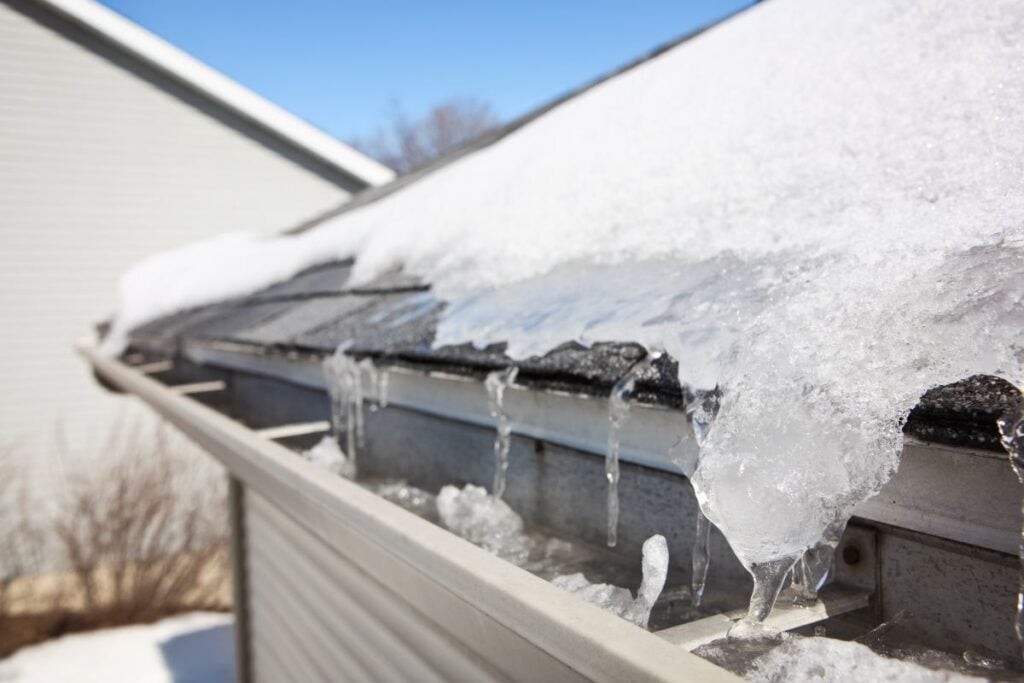
Winter in North Dakota brings more than snow, it brings the risk of ice dams quietly damaging your roof while you sleep. If you have ever wondered what is an ice dam and why it matters, the short answer is that it is a ridge of ice that forms along the roof’s edge, trapping melting snow behind it and forcing water back up under the shingles. Homeowners in Jamestown and surrounding areas who understand how this happens are in a much better position to prevent it, and knowing what keeps a roofline performing through a hard winter is the first step toward avoiding costly repairs.
Here’s a quick overview of what we’ll cover:
- What causes ice dams to form in the first place
- Four common contributors homeowners should watch for
- How the melt and refreeze cycle actually works
- Short term fixes versus long term prevention
- Answers to frequently asked questions about ice dams
Why Ice Dams Are More Than a Winter Nuisance
Ice dams might look like a simple winter inconvenience, but the water trapped behind them can cause damage that lasts long after the snow melts. Left unaddressed, an ice dam can compromise nearly every layer of your roofing system.
Homeowners often underestimate how much trouble a single ice dam can cause. Consider these consequences before writing it off as a minor seasonal issue:
- Roof damage: Trapped water can work its way under shingles and rot the decking underneath.
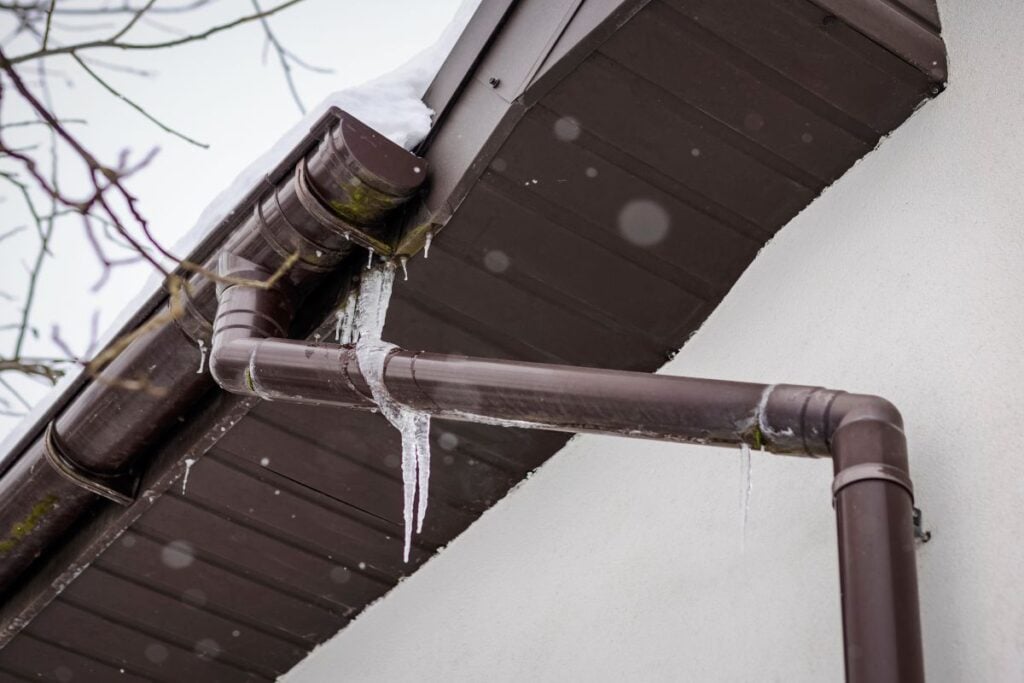
- Gutter damage: The sheer weight of built up ice can pull gutters and downspouts away from the roofline.
- Interior water damage: Backed up water can leak into attics, walls, and ceilings, leading to stains and mold growth.
- Energy loss: Ice dams often point to poor insulation, which drives up heating costs throughout the winter.
These issues rarely stay small once they start. Catching the warning signs early, before an ice dam has a chance to grow, can save homeowners from a much larger repair bill once spring arrives, when melting reveals the full extent of any hidden damage.
4 Causes of Ice Dams
Ice dams do not form randomly. They are the result of specific conditions inside and outside your home working together over the course of a cold winter. Below are four common causes homeowners in Jamestown and surrounding areas should watch for each season.
1. Poor Attic Insulation
When an attic is under insulated, heat from the living spaces below rises and warms the underside of the roof deck. That warmth melts the snow sitting on the upper portions of the roof, even while the eaves stay cold enough to refreeze the runoff.
- Gaps around light fixtures and attic hatches let extra heat escape
- Older homes often have thinner insulation than current building standards recommend
- Uneven insulation depth can create localized hot spots on the roof
2. Inadequate Attic Ventilation
A properly ventilated attic helps keep the entire roof deck at a more consistent temperature from eave to ridge. Without enough airflow, warm air becomes trapped near the roof sheathing, accelerating the melt and refreeze pattern that leads to ice dams.
Balanced intake and exhaust ventilation, typically through soffit and ridge vents, allows cold outside air to circulate freely and helps prevent the uneven surface temperatures that cause the problem in the first place.
3. Heat Loss from Living Spaces
Heat does not only escape through insulation gaps. Recessed lighting, exhaust fans, chimneys, and even attic access doors can all leak warm air into the attic if they are not properly sealed.
- Bathroom and kitchen exhaust fans that vent directly into the attic add moisture and heat
- Unsealed ductwork running through the attic can radiate significant warmth
- Chimneys and flue pipes often create hot spots near the roofline
4. Snow Accumulation and Freeze Thaw Cycles
Even a well insulated and ventilated home can develop an ice dam if enough snow builds up and temperatures swing above and below freezing repeatedly throughout the season. Heavy snow acts as insulation on the roof, holding in warmth from below while the surface refreezes each night as temperatures drop.
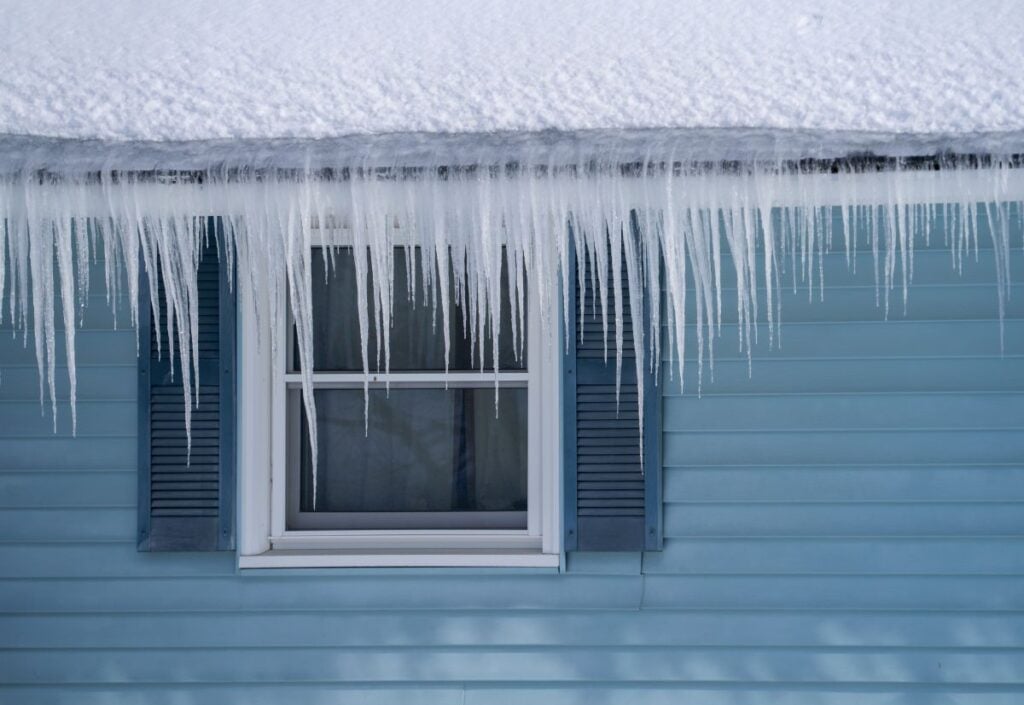
This cycle repeats every time temperatures fluctuate, gradually building a thicker ridge of ice at the roof’s edge with each passing week. Understanding this pattern helps explain why ice dams tend to appear after the same kind of weather stretch every winter, often catching homeowners off guard even when nothing else about the home has changed.
How Ice Dams Form Step by Step
Understanding the mechanics behind an ice dam makes it much easier to see why prevention matters so much. The process almost always follows the same basic sequence, regardless of the home’s size, age, or roof style.
Melting
Heat escaping from the attic warms the upper sections of the roof, causing snow there to melt even when outside temperatures remain well below freezing. The snow closer to the unheated eaves stays frozen, setting the stage for the next stage of the process.
Refreezing
As the meltwater flows down toward the colder eaves and overhangs, which sit above unheated space, it refreezes into a solid ridge of ice.
Water Backup
Once that ridge forms, additional meltwater has nowhere left to drain. It pools behind the ice and can work its way underneath shingles, eventually finding gaps in the roofing system and dripping into the attic, insulation, or walls below.
Recognizing these three stages makes it clear why insulation and ventilation matter just as much as clearing snow from the roof itself, since fixing only one piece of the puzzle rarely solves the problem for good.
Short Term Fixes Versus Long Term Prevention
When an ice dam has already formed, homeowners often need a quick solution while planning for a more permanent fix down the road. Understanding the difference between the two approaches helps set realistic expectations for each option, especially when budgeting for repairs mid winter.
The table below compares common short term and long term strategies.
| Approach | Short Term Fix | Long Term Prevention |
| Roof raking | Removes snow load quickly | Does not address root cause |
| Heat cables | Melts channels for drainage | Ongoing electricity cost |
| Attic insulation upgrade | Not an immediate fix | Reduces heat loss year round |
| Ventilation improvements | Not an immediate fix | Keeps roof temperature consistent |
Quick fixes like roof raking or heat cables can reduce immediate risk during a storm, but they do not solve the underlying insulation or ventilation issues causing the problem. A long term approach, while it takes more upfront investment, tends to prevent ice dams from returning year after year and often pays for itself through lower energy bills.
Frequently Asked Questions About Ice Dams
Homeowners often have similar questions once they start noticing ice building up along their roofline. Below are answers to some of the most common ones we hear from families in Jamestown and surrounding areas.
How can I tell if I have an ice dam?
Look for thick ridges of ice along the roof’s edge, icicles hanging from gutters, or water stains appearing on interior ceilings and walls near the eaves.
Can I remove an ice dam myself?
Some homeowners use a roof rake to remove snow before it melts, but climbing onto an icy roof or chipping at ice directly can be dangerous and may damage shingles.
Do ice dams only happen on older homes?
No. While poor insulation is more common in older homes, any home with uneven attic temperatures can develop ice dams, regardless of age.
Will gutter guards prevent ice dams?
Gutter guards help keep debris out of gutters, but they do not address the insulation or ventilation issues that actually cause ice dams to form.
How much does it cost to fix the root cause of ice dams?
Costs vary depending on your attic’s current insulation and ventilation, as well as the size of your home, but addressing the root cause is generally more cost effective than repairing repeated ice dam damage every winter. Many homeowners find that the investment pays off within a few seasons through lower heating bills alone.
If you are still unsure whether your home is at risk, a professional inspection is always the best way to get a clear answer.
Protect Your Roof This Winter
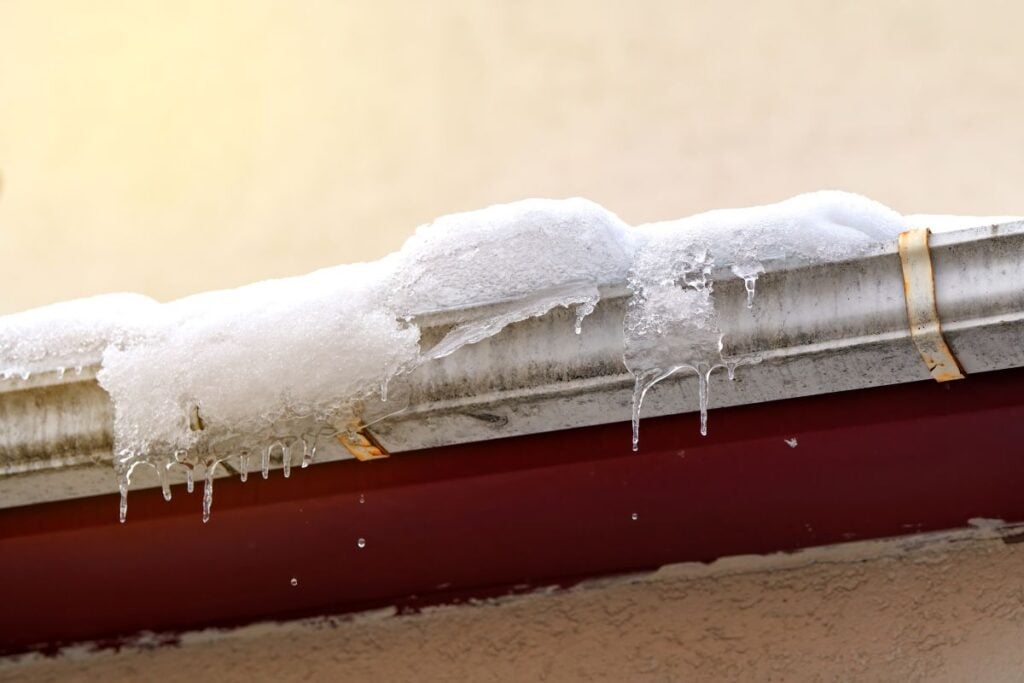
Ice dams are more than a seasonal eyesore. They are a sign that heat is escaping where it should not be, and left unchecked, they can lead to expensive roof and interior damage. Understanding the causes and taking preventive steps now can save you from a much bigger headache once the temperatures drop.
At 5 Star Roofing and Contracting, we have helped homeowners throughout Jamestown and surrounding areas identify insulation and ventilation issues before they turn into costly ice dam damage. Whether you are dealing with an active ice dam right now or simply want to prevent one before the next cold snap arrives, our team is ready to help. Reach out and contact us today to schedule an inspection and protect your home all season long.
