


How to File a Roof Insurance Claim: 5 Steps to Get Approved
Hail damage or wind damage from a single storm can turn a healthy roof into a costly problem overnight. Knowing how to file a roof insurance claim the right way can mean the difference between a full payout and an unexpected bill. Even with insurance coverage, you may still face a deductible, so it helps to know your options to keep your budget on track while repairs move forward. This guide walks you through the insurance claim process from the first inspection to the final check.
Here’s a quick look at what’s ahead:
- Why preparation matters before you call your insurer
- Five clear steps to file and get your claim approved
- The most common reasons claims get denied
- How ACV and RCV policies affect your payout
- Answers to frequently asked homeowner questions
Why a Well-Prepared Claim Makes All the Difference
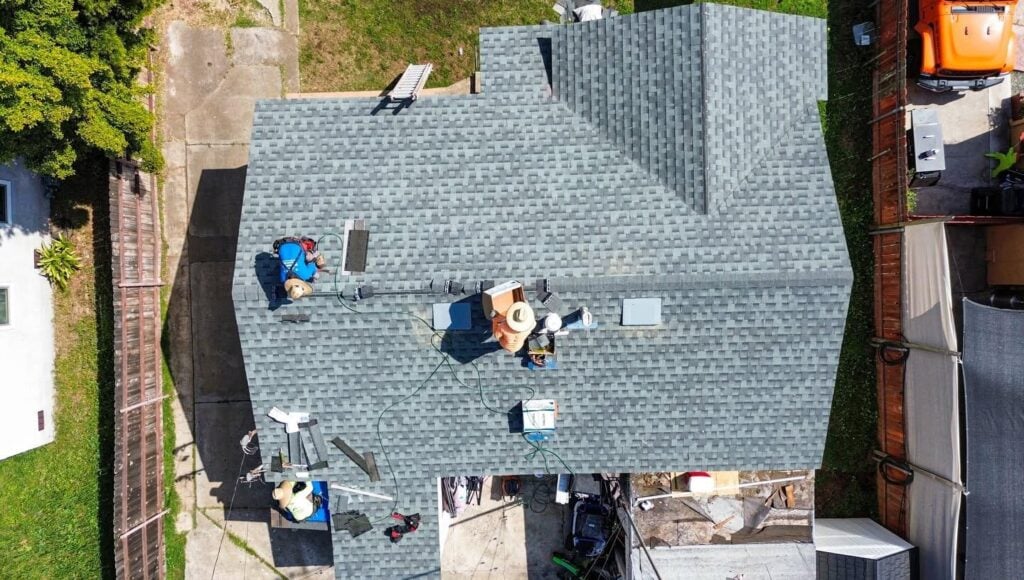
Insurance providers review every roof claim carefully, and the details you provide shape the outcome. Most homeowners insurance policies cover roof damage from a covered peril such as hail, wind, ice, or fallen trees, along with other accidental damage, but not wear and tear or poor maintenance, and the claims process can take a month or longer from start to finish. Homeowners in Bismarck, ND and surrounding areas see plenty of severe weather, so understanding how claims work is well worth your time. A thoughtful, organized approach delivers real advantages:
- Higher approval odds: Clear photos, dates, and a professional inspection report make it easier for an adjuster to confirm storm-related damage.
- Fairer settlements: When you know your deductible and coverage limits, you can spot missing items in the insurer’s estimate and request corrections.
- Faster repairs: A complete claim moves through the claims process more smoothly, which means your roof gets fixed sooner.
- Less stress: Knowing what comes next removes much of the uncertainty from an already stressful situation.
Taking a few extra steps upfront gives you the best chance to get your roof damage covered and protects your wallet. With that foundation in place, let’s walk through the process itself.
5 Steps to File a Roof Insurance Claim and Get Approved
Every insurer has its own forms and timelines, but the core process looks much the same across most companies. Follow these five steps in order to build a strong, well-documented claim from day one.
1. Document the Damage Safely
Start by recording what you can see from the ground. Never climb onto a wet, icy, or damaged roof yourself, since falls are a serious risk. Instead, walk your property and take clear, dated photos and videos of everything that looks out of place.
- Missing or damaged shingles
- Granules collecting in gutters or downspouts
- Dents on vents, flashing, gutters, or siding
- Water stains on ceilings or in the attic
If you have an active roof leak, take reasonable steps to prevent further damage, such as placing a tarp or moving belongings, and keep receipts for any temporary repairs.
2. Review Your Homeowners Policy
Before you call your insurer, read through your homeowners insurance policy so you understand what insurance covers. Pay close attention to your deductible, since some policies include a separate wind and hail deductible that may be calculated as a percentage of your home’s insured value. Also check whether your coverage pays actual cash value or replacement cost, review any coverage options you added, and note deadlines for reporting damage. If anything is unclear, your insurance agent or insurance representative can walk you through it.
3. Schedule a Professional Roof Inspection
A professional roofer can spot damage that is easy to miss, such as hail bruising, lifted shingles, and compromised flashing. A reputable roofing contractor will provide photos and a written report that documents the extent of the damage, the likely cause, and any structural issues. This report gives you a reliable reference point when you compare it to the insurer’s findings.
- Ask for a detailed, itemized repair cost estimate
- Request photos of every damaged area
- Confirm the contractor is licensed, insured, and familiar with local building codes
Having this documentation on hand makes it much easier to discuss the claim with your adjuster.
4. File Promptly and Meet the Adjuster
Contact your insurance provider as soon as possible to open a claim, either online, through an app, or by phone. Your insurer will assign an insurance adjuster to inspect your roof in person. Keep a log of phone calls, emails, and claim numbers so every conversation is on record. If possible, have your roofer attend the inspection so both professionals can review the same damage together and nothing gets overlooked.
5. Review the Settlement and Schedule Repairs
Once the adjuster finishes, you will receive a proposed settlement amount. Compare it line by line with your roofer’s estimate and ask questions about anything that seems missing, such as underlayment, flashing, or ice barrier. After you agree on the amount, schedule roof repairs or a full replacement with your chosen contractor and keep every invoice and receipt for your records. Following these steps in order keeps your claim organized and gives your insurer everything it needs to make a fair decision. The more complete your documentation, the fewer delays you are likely to face along the way.
Common Reasons Roof Claims Get Denied
Even legitimate claims can be denied when key details are missing or misunderstood. Knowing the most frequent pitfalls helps you avoid them before they cost you.
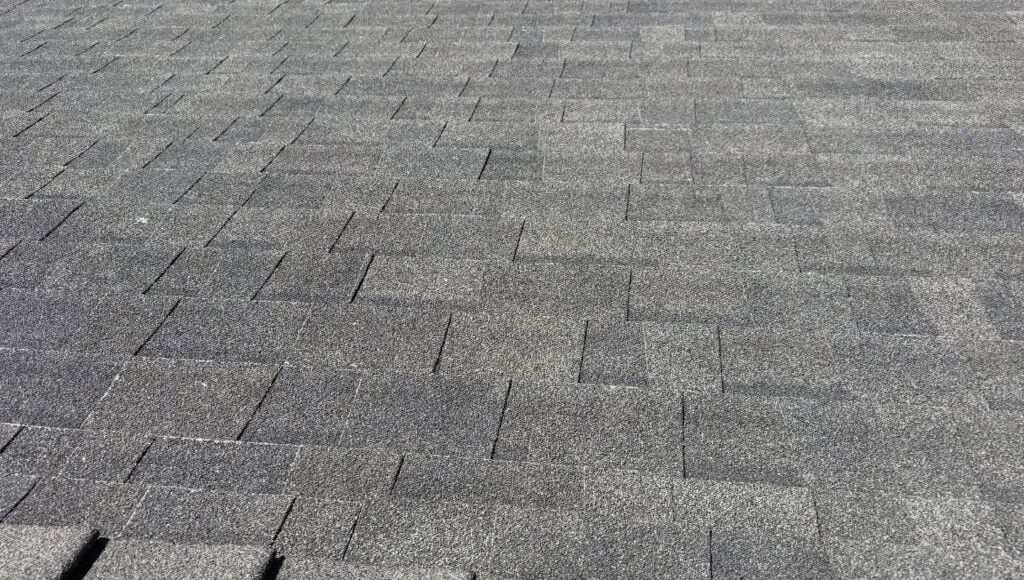
- Normal wear and tear: Insurers generally do not cover roof damage from aging shingles or gradual deterioration, and many will not cover roof leaks that develop slowly over time.
- Late reporting: Waiting months to file can make it harder to prove when and how the damage happened, and some policies set strict deadlines.
- Poor documentation: Without photos, dates, or an inspection report, an adjuster may not be able to confirm storm damage.
- Pre-existing problems: Damage from previous storms that was never repaired may be excluded from a new claim.
- Poor maintenance: Policies expect regular maintenance, so clogged gutters, ignored leaks, or neglected flashing can lead insurers to classify damage as neglect.
If your claim is denied, do not give up right away. You can request a written explanation, submit additional evidence and multiple estimates from reputable contractors, ask for a second inspection, and file an appeal with your insurer. For complex or high-value claims, some homeowners also hire a public adjuster, a licensed professional who represents the policyholder rather than the insurance company. Many homeowners in Bismarck, ND and surrounding areas successfully reverse denials by providing a detailed report from a qualified roofer.
ACV vs. RCV: Understanding Your Payout
Two homeowners with identical damage can receive very different settlements depending on their policy type. Understanding the difference between actual cash value (sometimes mistakenly called actual cost value) and replacement cost value helps you know what to expect before the check arrives.
| Feature | Actual Cash Value (ACV) | Replacement Cost Value (RCV) |
| How payout is calculated | Depreciated value of the roof | Actual cost to replace with similar roofing materials |
| Effect of roof age | Older roofs receive less | Age has less impact on final payout |
| Typical premium | Lower | Higher |
| Out-of-pocket risk | Higher | Lower |
| Payment timing | Usually one payment | Often two payments, with depreciation released after work is complete |
With an RCV policy, insurers often hold back the depreciation amount until repairs are finished, then release it once you submit proof of completion. That is one more reason to keep every invoice, especially for a new roof or a full replacement of the entire roof, where depreciation can add up quickly. If you are unsure which type of coverage you have, call your agent and ask before damage happens so you can plan ahead.
Frequently Asked Questions About Filing a Roof Insurance Claim
Homeowners often have the same handful of questions when they face roof damage for the first time. Here are clear answers to help you move forward with confidence.
How long do I have to file a roof insurance claim?
Deadlines vary by insurer and insurance policy, so check your documents or call your insurance agent. In general, it is best to report damage as soon as possible after a storm while the evidence is fresh and easy to document.
Will filing a claim raise my insurance premium?
It can, but not always. Your claims history, the type of damage, and your insurer’s policies all play a role. A single weather-related claim is often treated differently than repeated claims for preventable issues.
Should I get a roofer’s inspection before the adjuster visits?
Yes. A professional inspection gives you an independent assessment of the damage and a detailed estimate, which helps you evaluate the adjuster’s findings and identify anything that may have been missed.
Can a contractor pay my deductible for me?
Be cautious of any contractor who offers to waive or cover your deductible, since a reputable roofer will not make that offer. Your deductible is your responsibility under your policy, and arrangements that hide it from your insurer can create legal and insurance problems for you.
What should I do if my settlement seems too low?
Compare the insurer’s estimate with your roofer’s itemized estimate, then ask your adjuster to review any missing items. Provide supporting photos and documentation, and request a reinspection if needed. Every claim is a little different, so do not hesitate to ask your insurer or a trusted roofer when questions come up. Clear answers early can save you time, money, and frustration.
Let 5 Star Roofing and Contracting Help With Your Claim
Filing a home insurance claim for your roof does not have to feel overwhelming. With careful documentation, a professional inspection, and a clear understanding of your policy, you can give yourself the best chance at a fair, approved claim and a roof that protects your home for years to come. 5 Star Roofing and Contracting helps homeowners throughout Bismarck, ND and surrounding areas with thorough storm damage inspections, detailed reports, and quality workmanship on every repair and roof replacement, helping you understand your options and how to cover the cost. If your roof has taken a beating, contact us today to schedule your free consultation.


