


Commercial Flat Roof Systems: 6 Key Benefits
A commercial flat roof is one of the most common roofing systems used for office buildings, warehouses, retail spaces, and other commercial properties. These roofs offer practical advantages for large structures and provide efficient solutions for drainage, maintenance, and energy performance. For property owners in Detroit Lakes and surrounding areas, selecting the right commercial roofing system can improve durability, reduce long term costs, and simplify maintenance over time.
- Efficient building coverage: Flat roofs work well for large commercial structures.
- Accessible maintenance: Easier inspections and repairs compared to steep roofs.
- Cost effective installation: Typically requires fewer materials and less labor.
Understanding the benefits of commercial flat roofing can help business owners make informed decisions about new construction or roof replacement projects.
What Is a Commercial Flat Roof System?
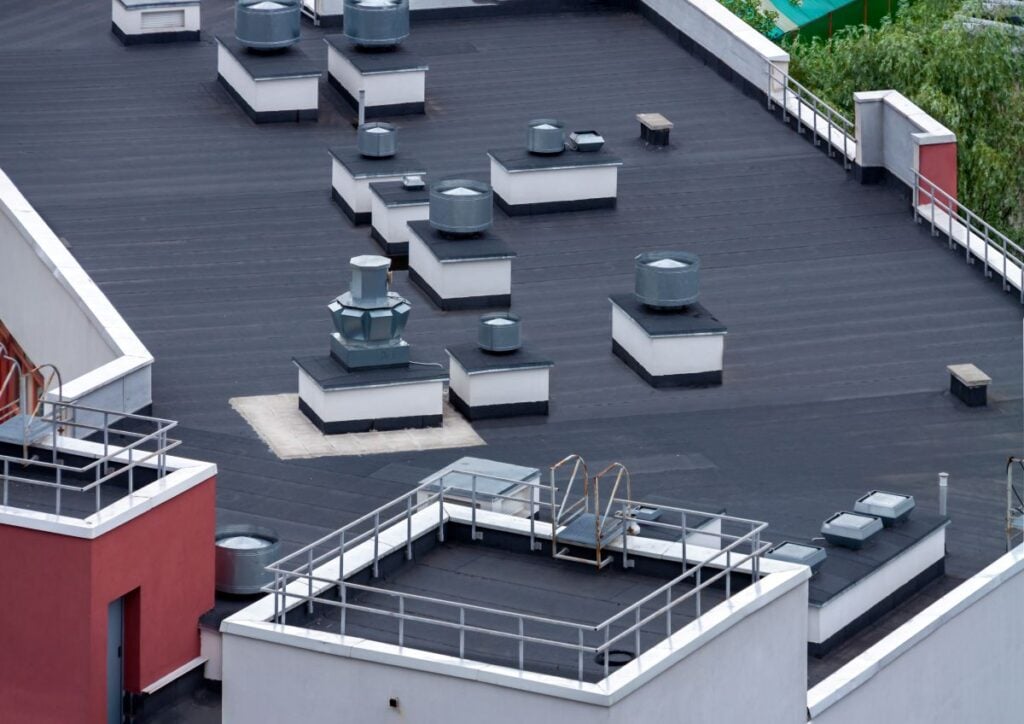
A commercial flat roof system is designed with a very low slope, usually between 1:12 and 3:12. While they appear flat, they still include slight angles that allow water to drain toward internal drains or edge gutters.
These systems are commonly used on commercial properties because they are efficient to install, cost effective for large surfaces, and easy to maintain. In climates like Detroit Lakes and surrounding areas, modern flat roofing materials are built to handle snow loads, heavy rain, and seasonal temperature swings.
Common Materials Used for Commercial Flat Roofs
Several specialized materials are used to create durable flat roofing systems for commercial buildings.
- TPO roofing: A highly reflective single ply membrane known for energy efficiency.
- EPDM roofing: A rubber based membrane valued for flexibility and durability.
- PVC roofing: Offers excellent chemical resistance and strong seam welding.
- Modified bitumen: Asphalt based material installed in multiple layers.
Each material has unique advantages depending on the building type and environmental conditions.
6 Key Benefits of Commercial Flat Roof Systems
Commercial flat roofs provide several advantages that make them ideal for many types of buildings. Below are six important benefits property owners should consider.
1. Lower Installation Costs
Flat roofing systems typically cost less to install than steep slope roofing because they require fewer materials and less complex framing. Large commercial buildings benefit significantly from this efficiency.
- Simplified structure: No steep rafters or complex framing needed.
- Faster installation: Larger membrane sections cover more area quickly.
- Lower labor costs: Reduced installation complexity.
For many commercial property owners, this affordability is a major factor.
2. Easier Maintenance and Repairs
Maintenance is simpler on a flat roof because technicians can safely walk across the surface. This makes inspections and repairs more efficient.
- Safe access: Technicians can move around the roof easily.
- Faster repairs: Leaks and damage can be located quickly.
- Routine inspections: Easier to perform preventative maintenance.
Regular inspections help extend the life of the roof and reduce unexpected expenses.
3. Ideal for Rooftop Equipment
Commercial buildings often require HVAC units, solar panels, and ventilation systems. Flat roofs provide a stable platform for these installations.
- HVAC placement: Allows efficient equipment installation.
- Solar panel compatibility: Flat surfaces simplify solar layout.
- Utility access: Technicians can reach equipment easily.
This functionality makes flat roofs extremely practical for commercial properties.
4. Improved Energy Efficiency
Modern flat roofing materials are designed to reflect sunlight and reduce heat absorption. This can help maintain comfortable interior temperatures while lowering energy costs.
- Reflective membranes: Reduce cooling demands in summer.
- Better insulation options: Improve thermal performance.
- Reduced HVAC strain: Lower energy consumption overall.
Energy efficiency is especially important for large commercial buildings where cooling costs can add up quickly.
5. Efficient Use of Building Space
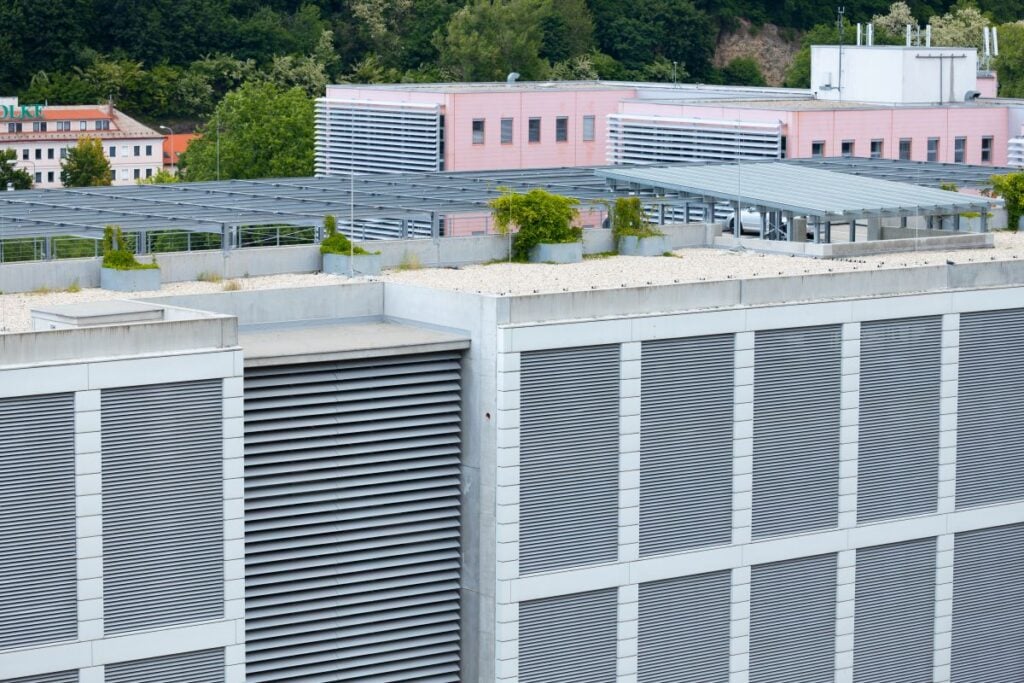
Flat roofs allow property owners to maximize usable building space. In many cases, the roof itself can serve additional purposes.
- Rooftop patios or green roofs: Create functional outdoor areas.
- Storage or service access: Convenient space for maintenance operations.
- Future expansion potential: Easier to modify or add equipment later.
This flexibility is a major advantage compared to traditional pitched roofing.
6. Long Term Durability
When properly installed and maintained, commercial flat roof systems can last for decades. Modern materials are engineered to resist UV damage, temperature changes, and moisture intrusion.
- Weather resistance: Handles wind, rain, and snow effectively.
- Strong seams and membranes: Prevent water infiltration.
- Long service life: Many systems last 20 to 30 years or more.
With routine maintenance, commercial flat roofs provide reliable long term protection.
Common Issues to Watch for With Flat Roofs
While flat roofs offer many benefits, they also require proper installation and maintenance to avoid potential problems.
Potential Flat Roof Concerns
- Ponding water: Improper drainage can allow water to collect on the surface.
- Membrane damage: Punctures or seam failures may cause leaks.
- Debris buildup: Leaves and dirt can block drains.
- UV exposure: Long term sunlight can degrade some materials.
Routine inspections help identify these issues before they lead to costly damage.
Maintenance Tips for Commercial Property Owners
Proactive maintenance can significantly extend the lifespan of a commercial flat roof. Property owners who schedule regular inspections often avoid expensive emergency repairs.
Best Practices for Flat Roof Maintenance
- Schedule inspections twice per year: Spring and fall inspections are ideal.
- Clear drains and scuppers: Prevent water accumulation.
- Check flashing and seams: Ensure waterproof protection remains intact.
- Address small repairs quickly: Minor fixes prevent larger failures.
Consistent care helps maintain roof performance and protects your building investment.
Why Professional Installation Matters
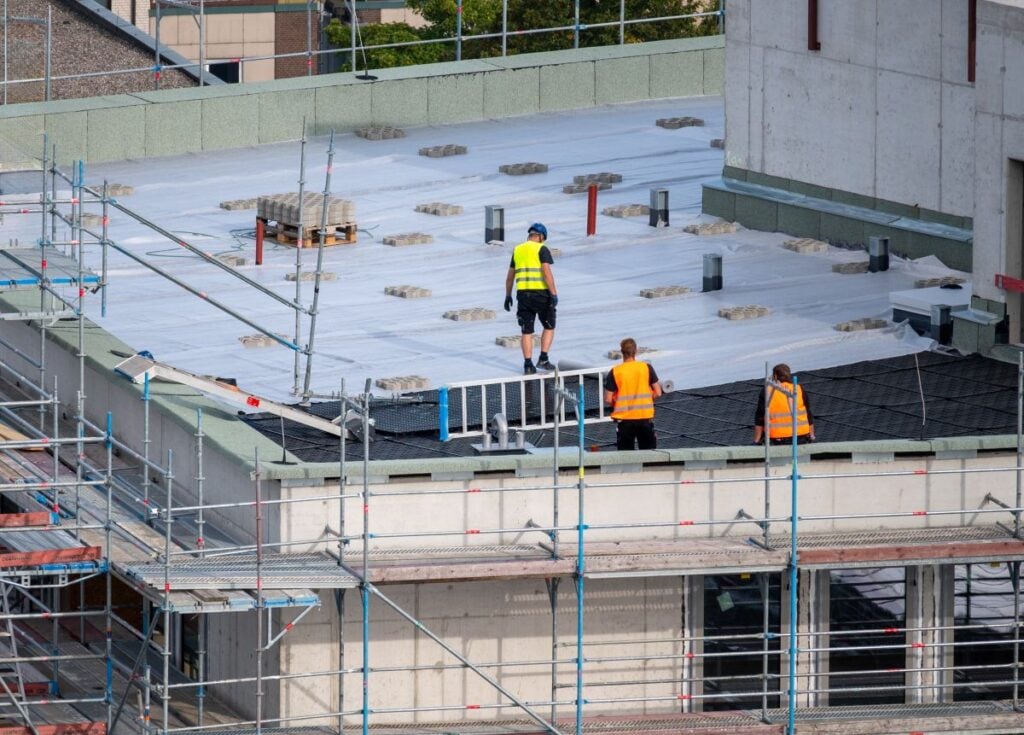
Flat roofing systems require specialized installation techniques. Improper seams, poor drainage design, or incorrect material selection can lead to premature failure.
Professional roofing contractors understand how to design systems that handle snow loads, drainage requirements, and temperature changes typical in Detroit Lakes and surrounding areas.
Working with experienced professionals ensures your roofing system is installed correctly and built to last.
Invest in the Right Commercial Roofing System
A commercial flat roof offers numerous advantages for business owners, from lower installation costs and easy maintenance to energy efficiency and rooftop functionality. When properly installed and maintained, these systems provide reliable protection for decades.
Commercial property owners in Detroit Lakes and surrounding areas rely on 5 Star Roofing and Contracting for expert commercial roofing solutions. Our team specializes in high quality flat roof systems designed to withstand North Dakota weather conditions while maximizing performance and value.
Contact 5 Star Roofing and Contracting today for a free inspection and let our experts help you choose the best commercial flat roofing system for your property.