


Emergency Roof Leak Repair: What to Do Immediately
Emergency roof leak repair is critical when water suddenly starts entering your home and threatening your ceilings, walls, and belongings. Whether caused by a severe storm, ice dam buildup, or unexpected structural failure, roof leaks require immediate action to prevent widespread damage. For homeowners in Fargo and surrounding areas, where wind, hail, and heavy snowfall are common, knowing exactly what to do in the first moments of a leak can protect both your property and your peace of mind.
- Minimize interior damage: Acting quickly protects drywall, insulation, and flooring.
- Reduce repair costs: Fast response prevents small leaks from becoming major structural problems.
- Protect your family’s safety: Electrical and slip hazards must be addressed immediately.
If you are facing an active leak, follow the steps below to stabilize the situation until permanent repairs can be made.
Why Immediate Action Matters
A roof leak is more than just an inconvenience. Water can travel along rafters, soak insulation, weaken roof decking, and create ideal conditions for mold growth. Even a small opening in your roofing system can allow a surprising amount of moisture to enter during a storm.
In climates like Fargo and surrounding areas, rapid temperature shifts and freeze thaw cycles can make roof damage worse if it is not addressed quickly. The sooner you act, the more you limit the long term impact.
7 Steps to Take During an Emergency Roof Leak
When water starts coming through your ceiling, follow these seven steps to reduce damage and stay safe. Each step builds on the last to stabilize your home until professional repairs are completed.
1. Protect People and Turn Off Power If Needed
Your first priority is safety. If water is leaking near electrical outlets, ceiling fixtures, or appliances, turn off power to the affected area at your breaker panel.
- Shut off the correct circuit: Prevent electrical shock hazards.
- Keep children and pets away: Avoid slippery or unsafe areas.
- Avoid standing water near outlets: Water and electricity are a dangerous combination.
Never ignore the possibility of electrical risk during a leak.
2. Contain the Water Immediately
Once the area is safe, focus on preventing further interior damage. Place buckets, pans, or containers directly under dripping water.
- Move furniture and electronics: Protect valuable items.
- Use plastic sheeting or tarps indoors: Shield flooring and carpets.
- Lay down towels: Absorb splashes and overflow.
Quick containment can save thousands in flooring and drywall repairs.
3. Relieve Ceiling Pressure if Water Is Pooling
If you notice a bulge forming in your ceiling, water may be collecting behind the drywall. Carefully puncture the lowest point of the bulge with a screwdriver to release the trapped water.
- Position a bucket below: Catch draining water.
- Make a small, controlled hole: Prevent sudden collapse.
- Avoid light fixtures: Never puncture near wiring.
Allowing water to drain in a controlled way prevents a larger section of ceiling from falling unexpectedly.
4. Inspect the Attic for the Leak Source
If conditions are safe and the attic is accessible, inspect the area above the leak. Use a flashlight and walk carefully along framing boards.
- Look for wet insulation: Indicates active water entry.
- Follow water trails on rafters: Leaks often travel before dripping.
- Check for daylight: Small openings may be visible from inside.
Remember that the visible ceiling leak may not be directly below the exterior damage.
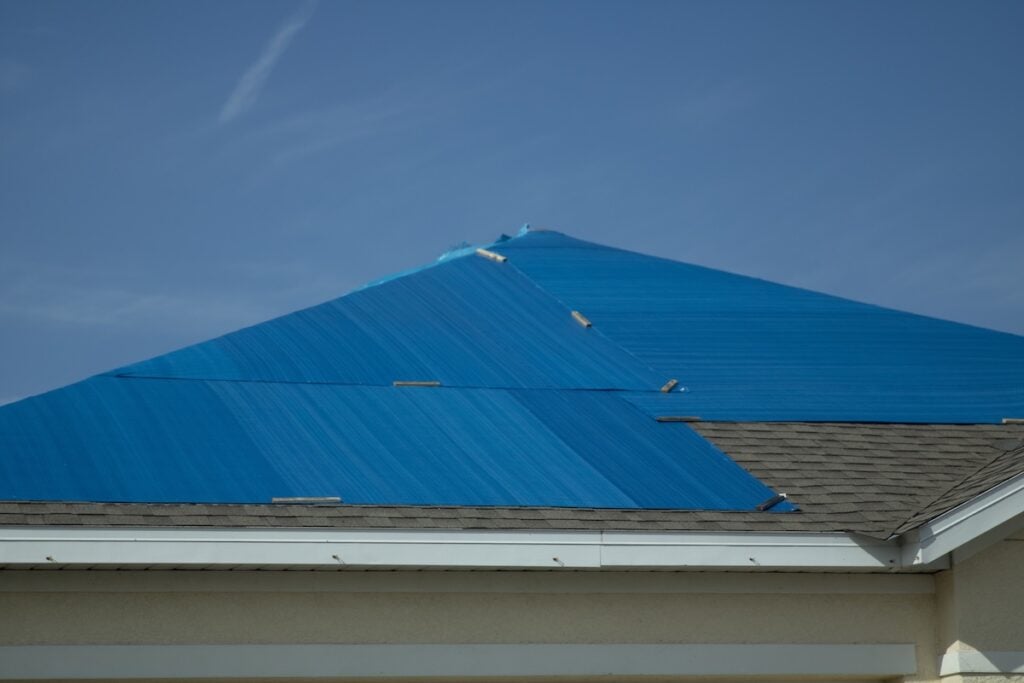
5. Apply a Temporary Exterior Cover
Once the storm has passed and it is safe to access the roof, you can apply a heavy duty tarp over the damaged area. If you are uncomfortable climbing onto the roof, call a professional immediately.
- Extend tarp beyond the damaged section: Cover surrounding shingles.
- Secure with wooden boards: Screw boards into decking for stability.
- Avoid loose edges: Wind can lift unsecured tarps.
Temporary tarping is especially important in Fargo and surrounding areas where additional storms may follow quickly.
6. Document the Damage
Before permanent repairs begin, take clear photos and videos of both interior and exterior damage. This documentation can be helpful for insurance claims.
- Capture ceiling stains and pooling water: Show interior impact.
- Photograph damaged shingles or flashing: Provide evidence of cause.
- Save repair receipts: Track emergency expenses.
Proper documentation supports smoother insurance processing.
7. Call for Professional Emergency Roof Leak Repair
Even if you believe you have found the source, a professional inspection is essential. Water can spread beneath shingles or membranes in ways that are not visible from the surface.
- Request a full inspection: Identify hidden damage.
- Ask about permanent repair options: Avoid temporary patchwork solutions.
- Discuss long term prevention: Improve ventilation or flashing if needed.
Emergency roof leak repair services ensure the problem is fully resolved, not just temporarily covered.
Common Causes of Sudden Roof Leaks
Understanding what caused the leak helps prevent future emergencies.
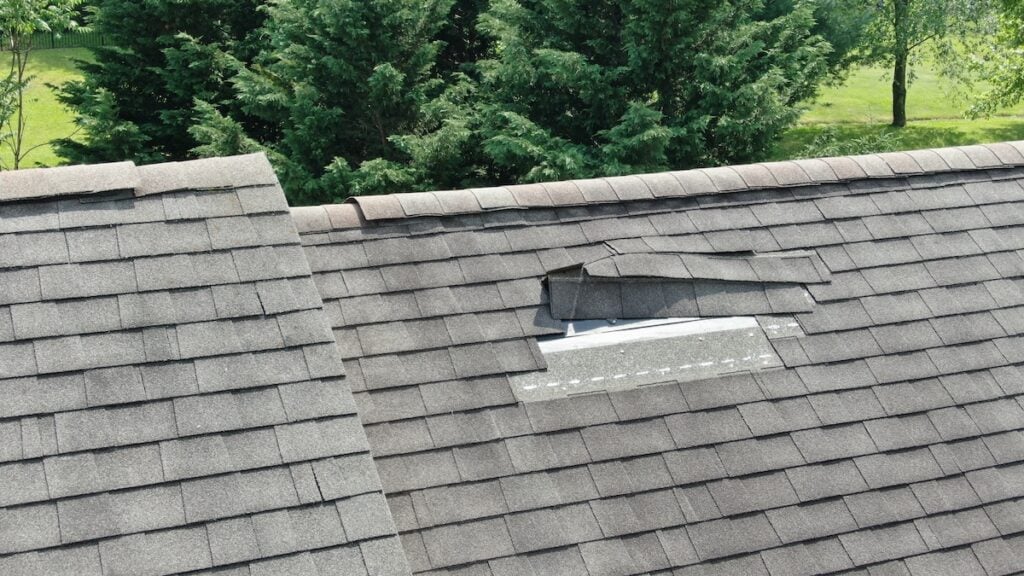
Storm Damage
High winds, hail, and flying debris are leading causes of sudden leaks.
- Lifted shingles: Break the waterproof seal.
- Impact cracks: Hail can fracture shingles or flashing.
- Debris punctures: Branches can tear roofing materials.
Ice Dams
Winter weather in Fargo and surrounding areas often leads to ice dam formation.
- Melting snow refreezes at eaves: Traps water behind ice.
- Poor insulation: Causes uneven roof temperatures.
- Clogged gutters: Prevent proper drainage.
Aging Roofing Materials
Roofs naturally wear down over time.
- Brittle shingles: Crack under stress.
- Dried sealant: Loses flexibility and waterproofing ability.
- Worn underlayment: Reduces secondary moisture protection.
Older roofs are more vulnerable during extreme weather events.
How to Prevent Future Roof Emergencies
While not every leak is preventable, proactive maintenance significantly reduces risk.
- Schedule annual roof inspections: Identify weak areas early.
- Clean gutters twice a year: Ensure proper drainage.
- Trim nearby trees: Reduce debris impact during storms.
- Improve attic ventilation: Prevent ice dam formation.
- Address minor repairs quickly: Small fixes prevent large failures.
Consistent maintenance is especially important in regions with heavy snow and seasonal storms.
Act Fast and Call the Experts
Emergency roof leaks can be stressful, but knowing exactly what to do immediately helps protect your home and family. Containing water, relieving pressure, applying temporary protection, and contacting professionals are all critical steps in limiting damage.
Homeowners in Fargo and surrounding areas rely on 5 Star Roofing and Contracting for fast, dependable emergency roof leak repair. Our experienced team responds quickly, identifies the true source of the problem, and delivers long lasting solutions built to withstand North Dakota weather.
If you are dealing with an unexpected roof leak, contact 5 Star Roofing and Contracting today for a free inspection and let us restore your home with confidence and care.


