


7 Energy Efficient Roofing Tips for 2026
When winter wind chills drop well below zero and summer sun bakes your shingles, your roof works harder than any other part of your home. Investing in energy efficient roofing is one of the smartest ways to reduce energy costs, protect your attic, and extend the life of your roof. For homeowners focused on keeping their homes comfortable through every North Dakota season, the right materials and installation details make a measurable difference. This guide covers the upgrades and habits that matter most this year.
Here is the quick version of what you will find below:
- How your roof affects heating and cooling costs
- Seven practical tips for a more efficient roof in 2026
- Why cold climates call for a different approach
- How popular roofing options compare on energy performance
- Straight answers to common homeowner questions
Why Your Roof Has a Bigger Impact on Energy Bills Than You Think
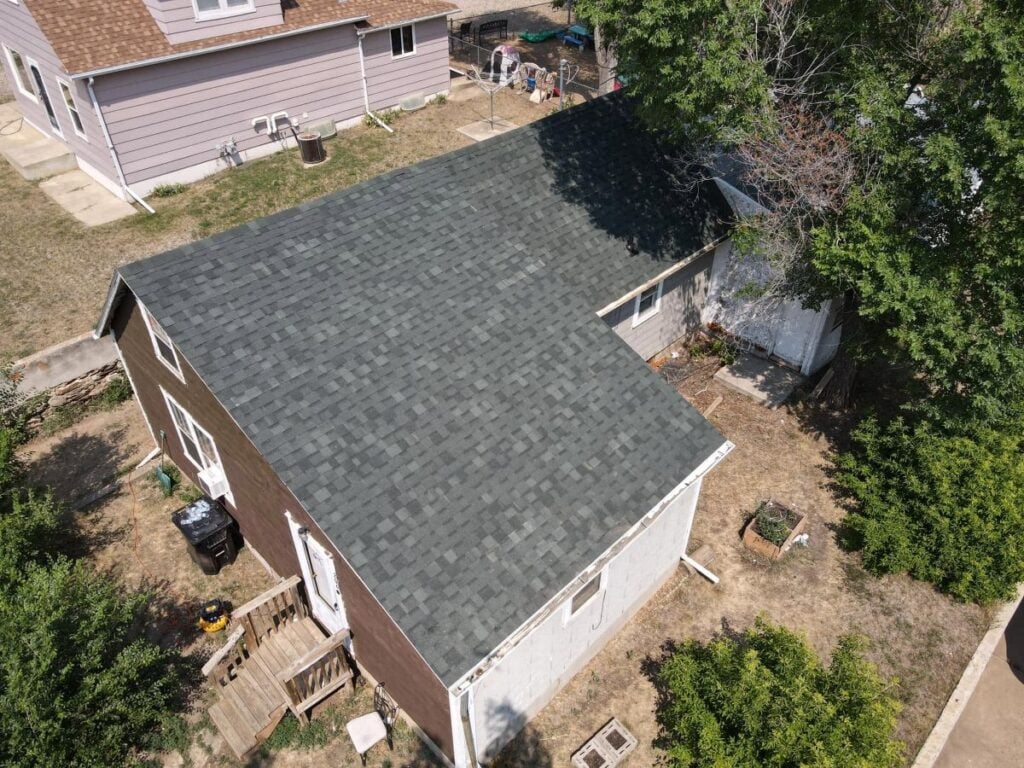
Most homeowners think about windows, doors, and furnaces when they want to cut energy consumption, but the roof is often the biggest source of wasted energy in the house. Heat naturally rises, so a poorly insulated or poorly ventilated roof lets warm air escape all winter and traps absorbed heat in the attic all summer. In a climate like ours, where homeowners in Fargo, ND and surrounding areas face both extreme cold and humid summer heat, that inefficiency shows up on every utility bill.
Experts agree that roof color, reflectivity, insulation, and ventilation all play a role in how much you spend to heat and cool your home. Traditional roofs made with dark, standard materials absorb a large share of the sun’s energy, while more efficient systems are designed to reflect heat and manage airflow. When those pieces work together, you gain several benefits:
- Lower energy bills: A well-sealed roof with proper ventilation reduces how often your furnace and air conditioning need to run.
- More consistent indoor comfort: Upstairs bedrooms and finished attics stay closer to the temperature on your thermostat instead of running hot or cold.
- Longer roof lifespan: Balanced attic temperatures reduce shingle stress, moisture buildup, and the freeze and thaw cycles that shorten a roof’s life.
- Higher resale value: Buyers increasingly look for efficiency upgrades, and a newer roof with strong energy features adds both curb appeal and value.
Improving your roof’s energy efficiency is not about one magic product. It comes from the combination of smart material choices, correct installation, and the parts of the roof system you never see from the street.
7 Energy Efficient Roofing Tips Every Homeowner Should Follow in 2026
Improving your roof does not always require a full replacement. Some of the most effective upgrades happen in the attic or during routine maintenance on your existing roof, while others make the most sense when your current roof is already due for new shingles.
1. Start With a Professional Roof and Attic Assessment
Before spending money on upgrades, find out where your home is actually losing energy. Roofing experts can inspect your shingles, flashing, attic insulation, and ventilation to evaluate how your existing roofing system is performing. This step keeps you from paying for improvements that will not solve the real problem.
- Look for frost on attic nails or sheathing in winter, a common sign of warm air leaking upward.
- Note any rooms that are noticeably warmer or colder than the rest of the house.
2. Seal Air Leaks and Add Attic Insulation
Air sealing and insulation are the foundation of strong thermal performance. Gaps around light fixtures, plumbing stacks, chimneys, and attic hatches let heated air escape into the attic. Once those leaks are sealed, adding insulation to the recommended depth for our cold climate keeps that heat where it belongs, so your furnace does not have to burn more energy to compensate.
3. Prioritize Proper Attic Ventilation
Proper attic ventilation is just as important as insulation. A balanced system uses intake vents at the soffits and exhaust vents near the ridge so cooler air flows steadily through the attic. This keeps the attic cooler in summer and drier in winter, which protects both your cooling bills and your roof deck.
- Blocked soffit vents are one of the most common ventilation problems.
- Mixing different exhaust vent types on the same roof can disrupt airflow.
4. Choose Energy Efficient Shingles Strategically
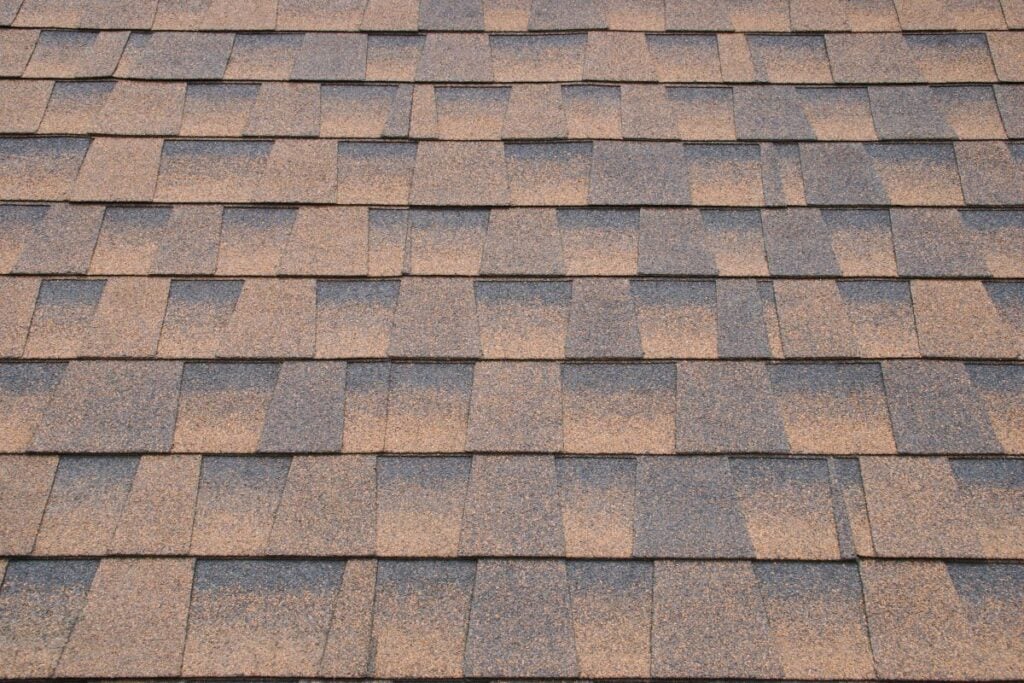
Energy efficient asphalt shingles use special granules designed for reflecting sunlight, lowering attic temperatures on hot days compared to traditional asphalt shingles. Look for products rated by the Cool Roof Rating Council, which measures solar reflectance (how much sunlight a surface reflects) and thermal emittance (how well it releases absorbed heat as infrared radiation). Many ENERGY STAR certified products meet minimum reflectance standards as well. Lighter shades such as light gray reflect more heat, though a roofing contractor can help you weigh color against winter performance.
5. Consider Metal Roofing for Long-Term Efficiency
Metal panels reflect a large share of solar heat, especially with a factory-applied reflective coating. Metal also sheds snow easily and can last decades longer than traditional roofing materials, which means fewer replacements and less waste. Some systems are installed with an air space beneath the panels, adding another layer of insulation against summer heat.
6. Upgrade Underlayment and Moisture Protection
What sits beneath your shingles matters. High-quality synthetic underlayment and ice and water shield along the eaves, valleys, and penetrations help prevent moisture from reaching the roof deck. Some homeowners also add a radiant barrier underlayment, which helps reflect heat away from the attic. Keeping insulation dry is essential, because wet insulation loses much of its ability to hold heat.
7. Stay on Top of Seasonal Maintenance
Even the most efficient roof loses performance if it is neglected. Damaged shingles, clogged gutters, and loose flashing all create openings for air and water. A quick inspection each spring and fall helps catch small problems before they turn into costly energy drains.
- Clear gutters and downspouts before winter.
- Check for missing or curling shingles after major storms.
Taken together, these seven steps create a roof system that works with your home instead of against it. You do not need to tackle every item at once, but prioritizing insulation, air sealing, and ventilation first usually delivers the fastest return on any roofing project.
How Cold Winters Change the Energy Efficiency Equation
Much of the energy efficient roofing advice online is written for hot, sunny regions, or for commercial buildings with flat roofs where cooling costs dominate. In the Upper Midwest, heating season is longer and harsher, so residential roofing priorities shift in some important ways.
- Heat loss matters more than heat gain: Keeping warm air inside during winter usually saves more money here than trying to reflect solar heat in summer, so insulation and air sealing come first.
- Ice dams are an energy warning sign: When heat escapes through the roof, it melts snow that refreezes at the colder eaves. Ice dams often point directly to insulation or ventilation problems.
- Snow cover affects roof color decisions: For much of the winter, snow covers the roof anyway, which is one reason darker shingles remain a practical choice for many northern homes.
- Moisture control protects efficiency: Warm, humid indoor air that reaches a cold attic can condense, soaking insulation and inviting mold.
Homeowners in Fargo, ND and surrounding areas benefit most from a roof designed around these realities rather than a one-size-fits-all approach. The right plan accounts for long winters first while still delivering comfort during summer heat waves.
Comparing Popular Energy Efficient Roofing Materials
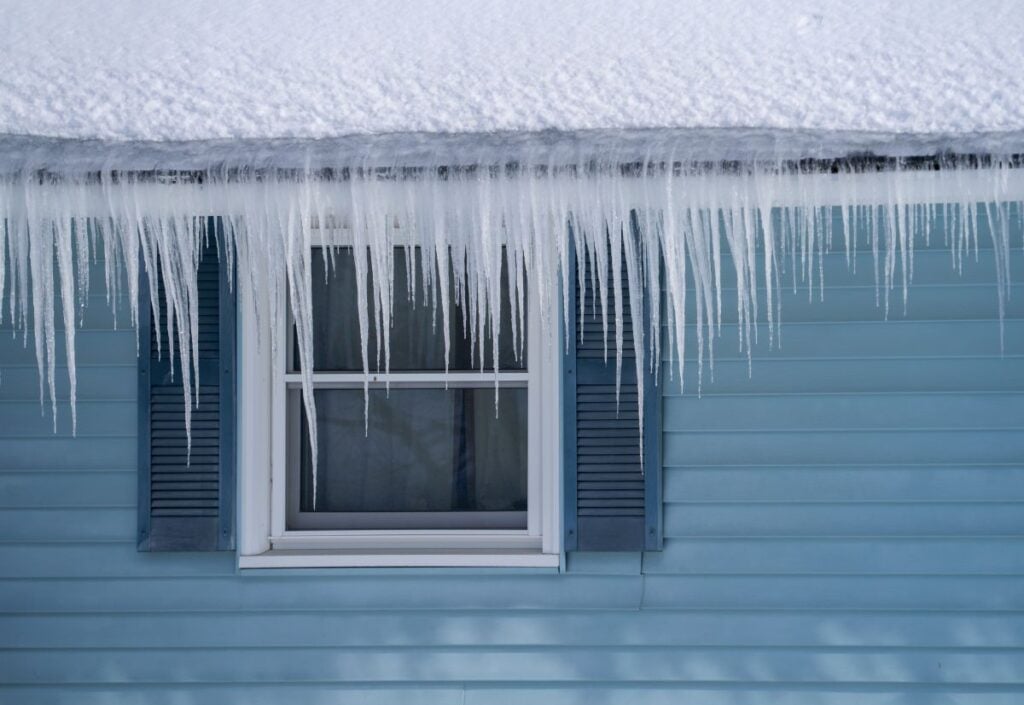
Once you understand how your home loses energy, the next question is usually which material makes the most sense. Each option below offers a different balance of cost, durability, and efficiency.
| Material | Energy Performance | Typical Lifespan | Best Fit For |
| Traditional architectural asphalt | Moderate; relies heavily on attic insulation and ventilation | 20 to 30 years | Budget-conscious homeowners who want a proven look |
| Cool-rated asphalt shingles | Good; reflective granules reduce summer heat gain | 20 to 30 years | Homes with hot upstairs rooms or high cooling costs |
| Standing seam metal | Excellent; highly reflective and sheds snow easily | 40 to 70 years | Long-term homeowners who value durability |
| Tile roofing | Good; natural air flow beneath tiles limits heat transfer | 50 years or more | Homes with structures built to handle the extra weight |
Solar roofing is another growing category. Traditional solar panels can be mounted on most roofs, while solar shingles integrate power generation directly into the roof surface, making them an attractive energy efficient option for new construction or full replacements. No material can make up for poor installation, though, so ask every contractor how they handle insulation, venting, and flashing.
Frequently Asked Questions About Energy Efficient Roofing
Homeowners often have similar questions when they start planning a more efficient roof. Here are clear answers to some of the most common ones.
Does an energy efficient roof really lower utility bills?
Yes, especially when the roof, insulation, and ventilation are improved together. Most homeowners notice more stable indoor temperatures first, followed by lower heating and cooling costs over time.
Are light-colored shingles a good idea in North Dakota?
They can be, but they are not always necessary. Because heating season is so long here, darker shingles remain popular, and insulation typically has a bigger impact than shingle color.
How do I know if my attic ventilation is working?
Warning signs include ice dams, frost in the attic during winter, a very hot attic in summer, and peeling paint or mold near the roofline. A professional inspection can confirm whether airflow is balanced.
Is metal roofing worth the higher cost?
For homeowners planning to stay long-term, metal often pays off through durability, snow shedding, and energy savings. It can last two to three times longer than asphalt, which reduces future replacement costs.
When is the best time to make energy efficiency upgrades?
The best time is usually when your roof already needs replacement, since insulation, ventilation, and underlayment can be upgraded at the same time. Attic air sealing and insulation can be done in almost any season.
If your question was not covered here, a local roofing professional can walk you through the options that fit your home, budget, and goals. Every house is a little different, so personalized advice is always worth getting.
Build a Roof That Works as Hard as You Do
An efficient roof protects your comfort, your budget, and your home’s long-term value. Whether you need a full replacement with upgraded materials or a smarter approach to insulation and ventilation, the right plan can make a noticeable difference season after season. At 5 Star Roofing, our team helps homeowners in Fargo, ND and surrounding areas choose solutions built for real Midwest weather. Ready to lower your energy bills and upgrade your roof? Contact us today to schedule your free consultation.


