


Hip Roof vs Gable Roof: What’s the Difference?
When deciding on the best roof design for your home, understanding the difference between a hip roof vs gable roof can help you choose the right option in terms of style, weather protection, and long-term performance. Both designs are commonly used across homes in Bismarck and surrounding areas, and each offers its own unique advantages depending on your climate, budget, and aesthetic preferences.
- Style and curb appeal: Roof shape affects how your home looks from the street.
- Weather resistance: Different designs handle wind, snow, and rain in different ways.
- Construction costs: The roof type you choose can affect labor, material, and framing expenses.
Let’s break down how hip and gable roofs compare—so you can make a confident, informed decision for your next roofing project.
What Is a Gable Roof?
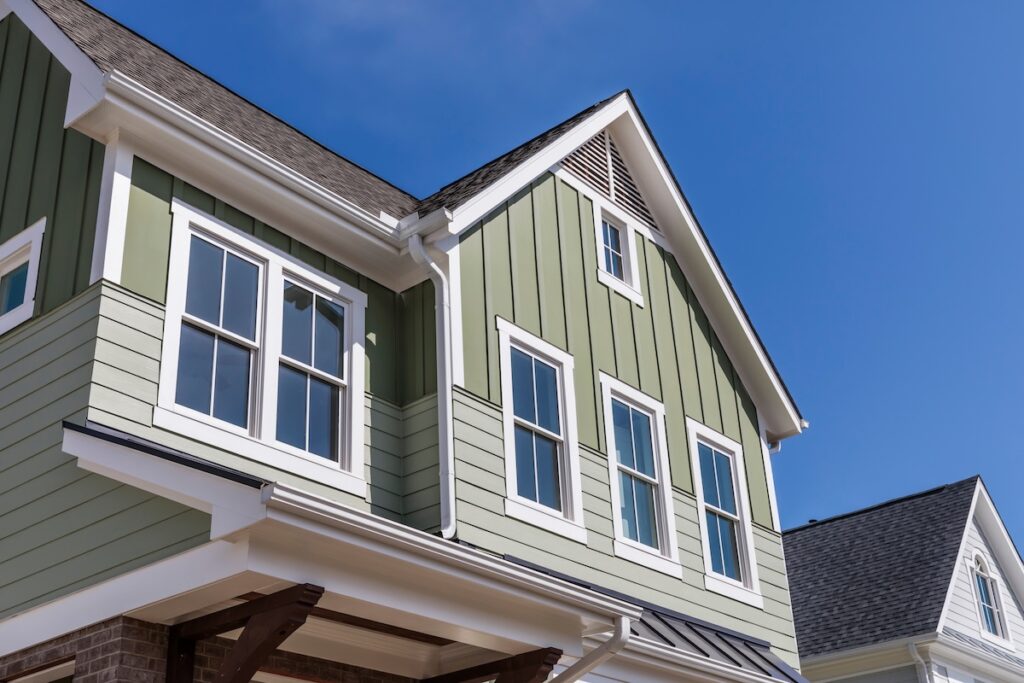
Gable roofs are one of the most common residential roof styles in the U.S. They’re easy to spot thanks to their triangular shape, where two roof sections slope downward from a central ridge, forming a peak at the top.
This straightforward design has been used for centuries and remains popular today for its simplicity and function.
Key Features of Gable Roofs
- Two sloping sides that meet at a central ridge
- Triangular gable ends on either side of the house
- Open attic space often available under the peak
Gable roofs are ideal for shedding water and snow, making them a good choice for colder climates like Bismarck and surrounding areas.
What Is a Hip Roof?
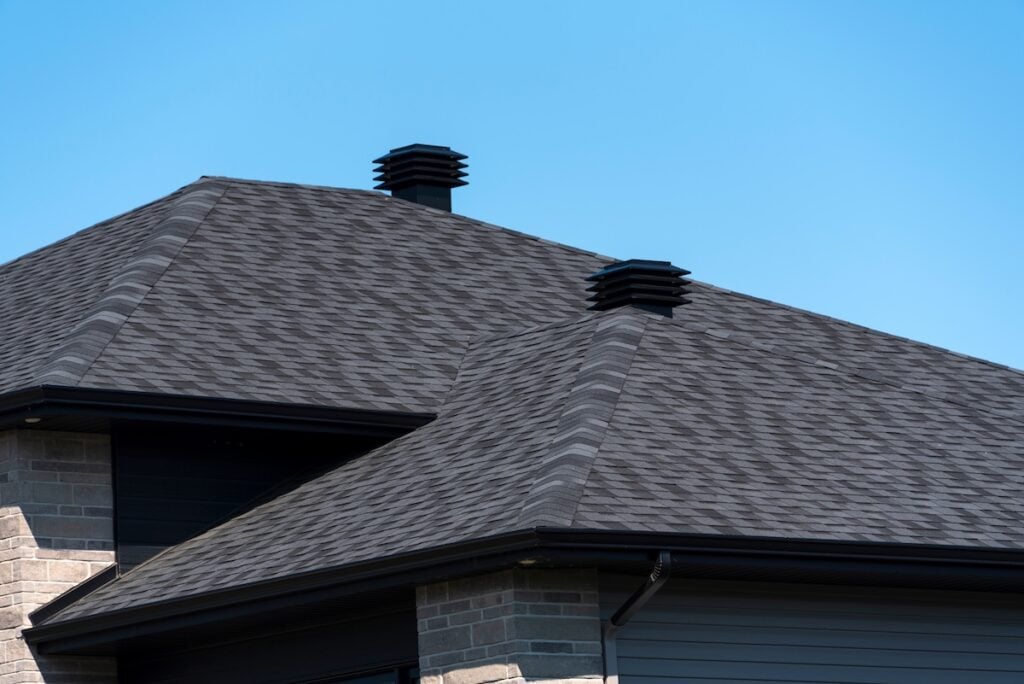
Hip roofs have slopes on all four sides, which come together at a ridge or a single point. There are no vertical gable ends—just a continuous roofline that wraps around all sides of the house.
This design offers a more streamlined, uniform appearance while also improving wind resistance.
3 Key Features of Hip Roofs
- Four sloping sides for full coverage
- No gables or vertical ends
- Greater stability in high winds due to aerodynamic shape
Hip roofs are especially useful in areas prone to heavy winds or storms, and they work well for both square and rectangular homes.
Comparing Hip Roof vs Gable Roof: Key Differences
Each roof type comes with its own advantages and trade-offs. The chart below offers a side-by-side comparison of the most important distinctions.
| Feature | Gable Roof | Hip Roof |
| Appearance | Classic, triangular shape with visible peaks | Uniform slopes on all four sides |
| Weather Resistance | Good in rain and snow, less effective in high winds | Excellent wind resistance, good for storms |
| Ventilation | Easier to ventilate attics | More complex ventilation system needed |
| Construction | Simpler, faster, and more affordable | Requires more framing and labor |
| Attic Space | More usable space under the roof | Less attic room due to sloping on all sides |
| Gutter System | Fewer gutters required | More complex gutter design due to four sides |
| Aesthetic Style | Traditional and versatile | Sleek and balanced, often used in upscale designs |
Pros and Cons of Gable Roofs
For many homeowners, gable roofs provide a practical and visually appealing choice—especially if you prefer a classic look.
Advantages of Gable Roofs
- Affordable construction: Easier to build with standard framing.
- Great water runoff: Ideal for snow-heavy areas like Bismarck.
- More attic ventilation: Allows better airflow through ridge and gable vents.
- Customizable: Works well with dormers, porches, and other add-ons.
Disadvantages of Gable Roofs
- Vulnerable to high winds: Can be damaged if improperly braced.
- Exposed gable ends: May require extra weatherproofing.
- Not ideal for wide-span homes: Less stability over large open interiors.
Pros and Cons of Hip Roofs
Hip roofs provide a more modern look and added structural strength, but often come at a higher cost and complexity.
Advantages of Hip Roofs
- Superior wind resistance: Excellent choice for areas with strong winds.
- Stable structure: Slopes on all sides add rigidity and load distribution.
- Attractive curb appeal: Clean lines work well with many architectural styles.
- Consistent eaves: Offers shade and rain protection around the home.
Disadvantages of Hip Roofs
- More expensive: Requires additional materials and labor.
- Harder to ventilate: May need ridge vents, soffit vents, and specialized systems.
- Less attic space: Interior slope limits usable square footage inside the attic.
- More complex guttering: Needs gutters on all four sides for effective drainage.
Which Roof Is Better for Cold Climates?
In Bismarck and surrounding areas, where heavy snowfall and winter storms are a concern, both roof types can work well—but each has different strengths.
Gable Roof Performance in Winter
Gable roofs allow snow to slide off easily, reducing the risk of snow buildup and ice dams. Their steeper pitch is well-suited for northern climates and helps avoid structural stress from heavy snow loads.
Hip Roof Performance in Winter
Hip roofs also perform well in winter, but their shallower pitch means snow may sit on the roof longer unless properly angled. That said, their strength in high winds can be a major asset during blizzards or seasonal storms.
Cost Comparison: Hip Roof vs Gable Roof
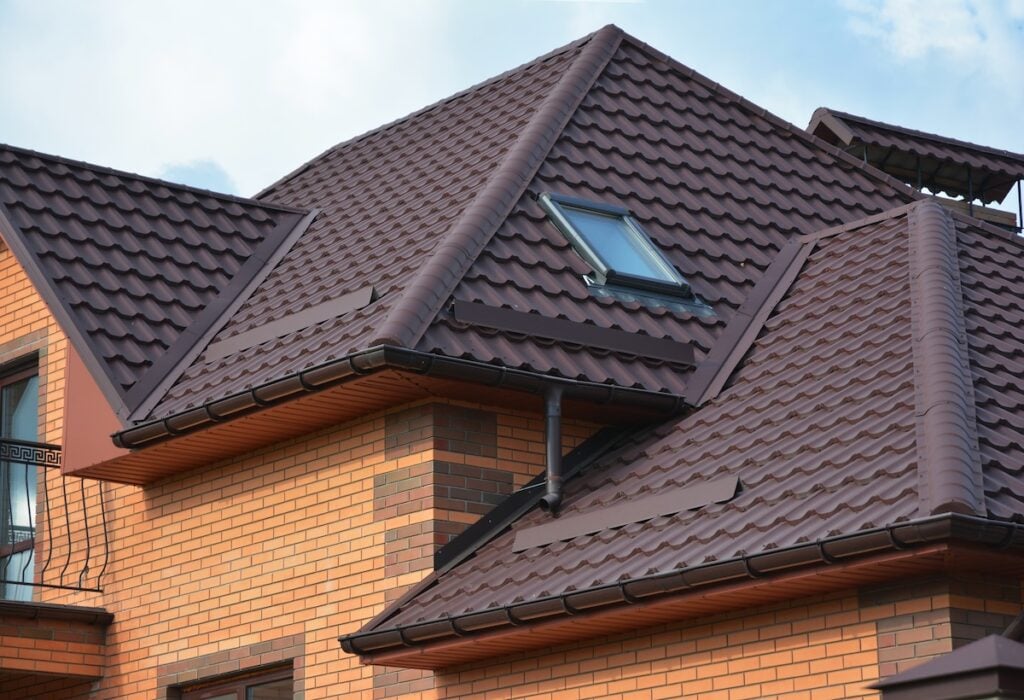
Cost is often one of the deciding factors in roof design. In general, hip roofs are more expensive due to their complexity.
Gable Roof Cost
- Lower construction cost
- Less framing and fewer materials
- Faster installation
- Easier to repair and modify
Hip Roof Cost
- More materials and labor
- Requires precision framing on all sides
- Longer installation time
- May increase gutter and ventilation system costs
If you’re budget-conscious or building a straightforward structure, a gable roof is typically the more economical choice.
Curb Appeal and Design Preferences
Roof style has a significant impact on how your home looks from the street. Depending on the architectural style of your home, one option may naturally suit your design better.
Gable Roof Design Aesthetic
- Common on Colonial, Cape Cod, and Craftsman homes
- Offers more architectural variety with gables, dormers, and overhangs
- Fits well in most neighborhoods in Bismarck and surrounding areas
Hip Roof Design Aesthetic
- Common on Ranch, French Provincial, and Mediterranean homes
- Provides a uniform, balanced appearance
- Can elevate the look of newer or luxury builds
If your goal is a bold, clean look with lots of symmetry, a hip roof is often the go-to option.
When to Choose Each Roof Type
Choosing between a hip roof vs gable roof depends on your priorities—whether that’s cost, weather protection, or aesthetics.
Choose a Gable Roof If You:
- Want a budget-friendly roof
- Live in an area where snow load is a bigger issue than wind
- Prefer a classic, triangular design
- Need attic space or better ventilation options
Choose a Hip Roof If You:
- Live in a high-wind zone or storm-prone area
- Want a balanced, modern appearance
- Don’t need as much attic space
- Are okay with a slightly higher investment for structural stability
Get the Right Roof with 5 Star Roofing and Contracting
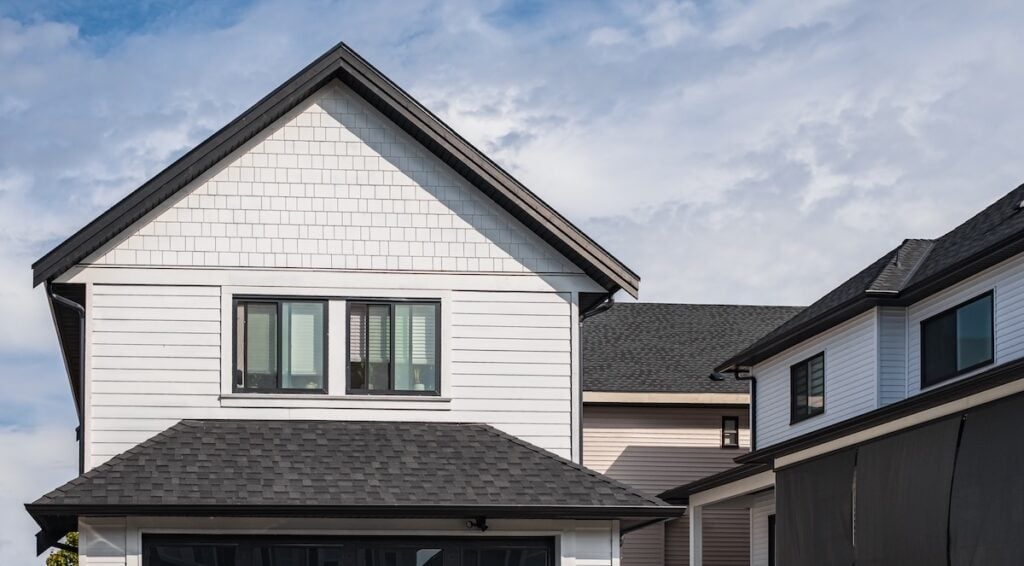
Whether you prefer the simple elegance of a gable roof or the all-around protection of a hip roof, both options offer strong advantages for homeowners in Bismarck and surrounding areas. The key is choosing the roof that matches your budget, your style, and your local climate conditions.
At 5 Star Roofing and Contracting, we help you make the right choice with honest advice, expert craftsmanship, and decades of experience. Our team will guide you through every step of the roofing process—from design and materials to installation and final inspection.
Contact 5 Star Roofing and Contracting today for a free inspection and find out which roof design is best for your home.


