


How Long Does a Roof Last? 6 Factors That Affect Lifespan
Your roof works around the clock to protect your family from snow, wind, hail, and summer heat, but it does not last forever. Knowing the answer to the question “how long does a roof last?” helps you budget for the future, catch problems early, and avoid emergency repairs. The answer depends on far more than age alone, from the materials on top to the care they receive. Understanding these factors puts you in a better position to keep your home protected for decades and plan your next move with confidence.
Here’s what this guide covers:
- Why your roof’s lifespan matters to your budget
- Six factors that shorten or extend roof life
- Warning signs your roof is wearing out
- When to repair and when to replace
- Answers to common homeowner questions
Why Knowing Your Roof’s Lifespan Pays Off
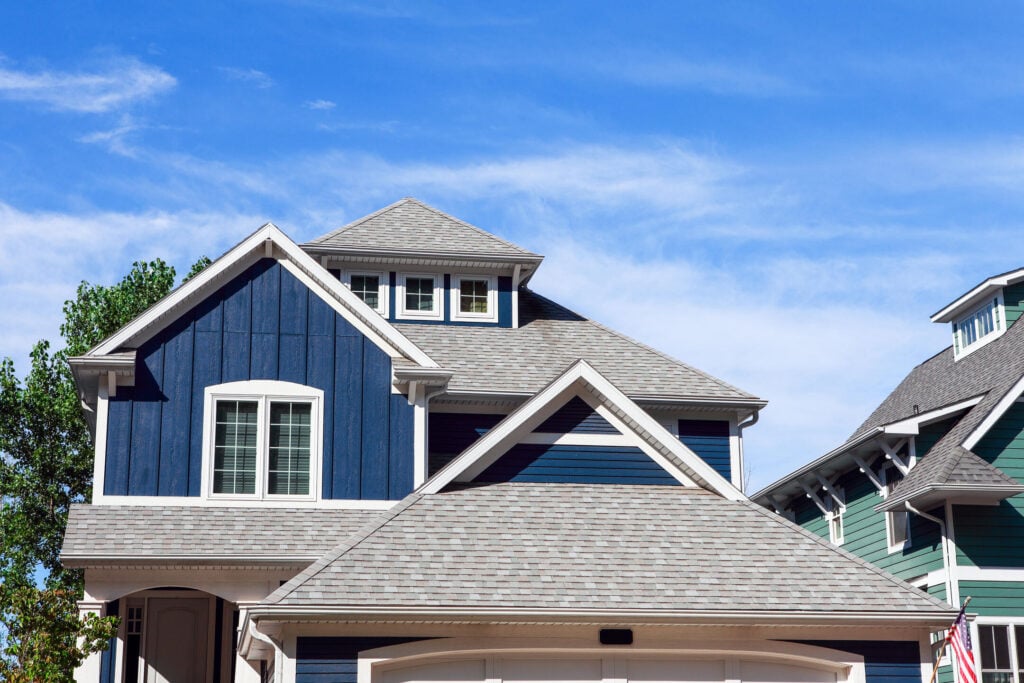
A roof replacement is one of the largest investments most homeowners will make, so it makes sense to know roughly when that day is coming. Depending on materials, workmanship, and climate, roofs can last anywhere from 20 to 100 years, which is a wide range to plan around. Homeowners in Dickinson, ND and surrounding areas face hail, high winds, and dramatic temperature swings, and that kind of severe weather can push a roof toward the shorter end of that range. Understanding your roof’s expected lifespan gives you some real advantages:
- Smarter budgeting: Knowing your roof’s age and material lets you set money aside well before replacement becomes urgent.
- Earlier problem detection: When you know what to expect, you are more likely to notice wear before it turns into a leak.
- Better buying and selling decisions: Roof age plays a major role in home inspections, appraisals, and buyer negotiations.
- Fewer emergencies: Planning ahead lets you schedule your roofing project on your timeline instead of scrambling after a leaking roof appears.
A little knowledge goes a long way toward protecting both your home and your wallet. With that in mind, let’s look at the key factors that determine how long your roof will actually last.
6 Factors That Affect How Long a Roof Lasts
Two homes built the same year can need new roofs a decade apart. Not all roofs are created equal, and the difference in average roof lifespan usually comes down to a handful of factors, some you can control and some you cannot.
1. Roofing Material
The material on your roof sets the baseline for its lifespan. Budget-friendly options wear out sooner, while premium materials can outlast the people who install them.
- Asphalt shingles: about 15 to 30 years
- Architectural shingles: about 25 to 30 years
- Wood roofs: about 15 to 30 years with annual upkeep
- Metal roofing such as galvanized steel: up to 70 years for higher-gauge products
- Clay tiles and concrete tiles: 50 years or longer
- Slate roofs: a century or longer
Asphalt roofing shingles remain the most common choice across North Dakota because they are cost effective, while metal continues to grow in popularity for its long life expectancy, low maintenance needs, and ability to shed snow.
2. Installation Quality
Even high quality materials can fail early if they are not installed correctly. Improper nailing, missing starter strips, poorly sealed flashing, and skipped ice barrier along the eaves can all lead to leaks and premature wear. Professional installation by an experienced, certified crew is one of the most effective ways to protect your investment, and it often unlocks stronger manufacturer warranties.
3. Attic Ventilation and Insulation
Your roof is more than just the top layer of shingles; it is only as healthy as the attic beneath it. Poor ventilation can trap moisture and heat, which can cook shingles from below in summer and lead to ice dams and condensation in winter.
- Balanced soffit intake and ridge vents keep air moving
- Adequate insulation keeps warm air from melting snow unevenly
- Proper airflow helps prevent mold growth and rot in the roof deck
A quick attic check during your next inspection can reveal ventilation problems before they shorten your roof’s life.
4. Climate and Weather Exposure
Your local climate is the factor you cannot control, but you can plan for it. In western North Dakota, roofs endure hailstorms, strong prairie winds, heavy snow loads, and freeze-thaw cycles that loosen shingles and stress flashing. Over time, the sun’s heat also causes UV degradation that breaks down asphalt and fades surface granules, which is why roofs in sunny regions and dry climates often age faster, while areas with heavy rainfall face more moisture-related wear. Choosing impact-resistant or climate-appropriate materials helps your roof stand up to these conditions longer.
5. Roof Pitch and Design
The shape of your roof affects how quickly water and snow leave its surface. Steeper roofs shed moisture faster, while low slope roofs and flat roofs hold water and snow longer and need materials designed for that purpose. Asphalt shingles, for example, are meant for roofs with enough pitch to drain properly. Complex designs with many valleys, dormers, and skylights also create more places where leaks can start.
6. Maintenance and Repairs
Regular care is the factor most within your control. Small issues like a lifted shingle, cracked pipe boot, or clogged gutter can grow into major damage if ignored.
- Schedule professional inspections at least once a year and after major storms
- Keep gutters clear so water drains away from the roof
- Trim trees with overhanging tree branches to reduce debris and impact damage
- Repair minor damage promptly before it spreads
Regular maintenance can help your roof reach, or even exceed, its expected lifespan, especially when nearby trees drop leaves and needles.
Each of these factors works together, so a strong material paired with poor ventilation or neglected maintenance may still fail early. The best results come from quality materials, skilled installation, and steady upkeep working hand in hand.
Warning Signs Your Roof Is Nearing the End
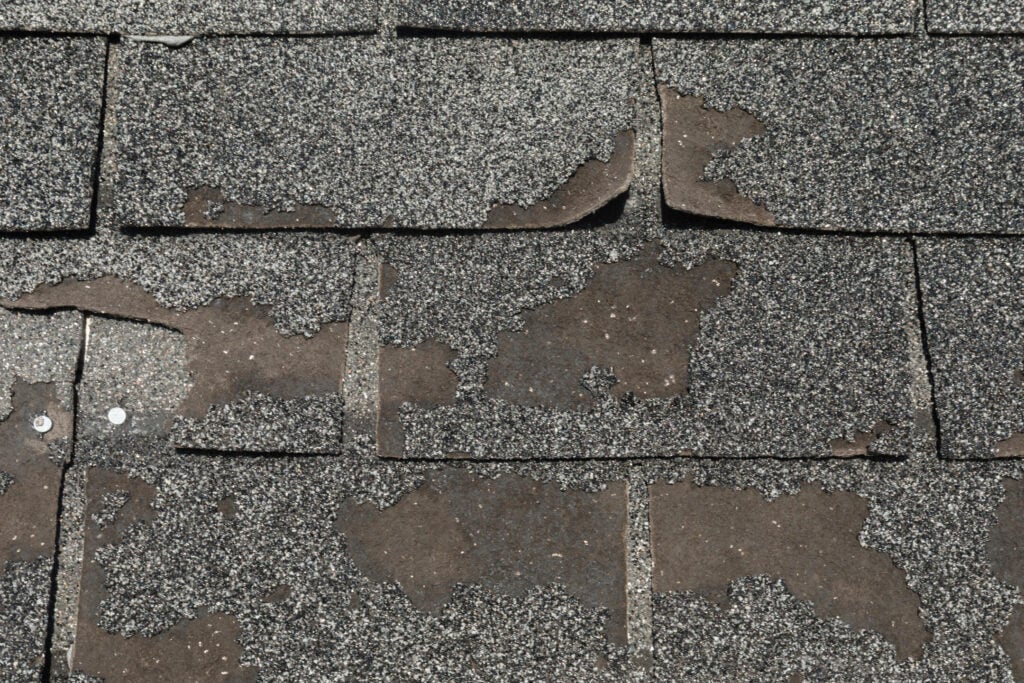
Even the most durable roof eventually wears out, and catching the signs early gives you time to plan. Keep an eye out for these visible signs of roof damage, especially after a severe storm.
- Curling or cracked shingles: Shingles that cup, curl, or crack can no longer seal properly against wind and water.
- Missing shingles or tiles: Gaps expose the underlayment and deck to moisture and further damage.
- Granules in the gutters: Heavy granule loss means your asphalt shingles are breaking down and losing UV protection.
- Sagging areas: A dip in the roofline can point to moisture damage or structural damage that needs immediate attention.
- Ceiling stains or a roof leak: Stains on ceilings or in the attic often signal water infiltration past the roof.
- Algae, moss, or dark streaks: Dark streaks from algae growth or patches of moss growth hold moisture against shingles and speed up wear.
- Daylight in the attic: If you can see light through the roof boards, water can get in too.
Noticing one of these signs does not always mean you need a full replacement. A professional roof inspection will help you understand what is happening and what your best options are.
Repair or Replace? How to Make the Right Call
Once you know your roof’s age and condition, the next question is whether you need a roof repair or it is time to replace your roof. The right answer depends on the extent of the damage, the age of the roof, and your long-term plans for the home.
When a Repair Makes Sense
Repairs are usually the smart choice when your roof is relatively young and the damage is limited to one area.
- A few missing or damaged shingles after a windstorm
- A small leak around a vent, chimney, or skylight
- Minor flashing or pipe boot issues
Targeted repairs like these can restore protection quickly and help your roof reach its full expected lifespan.
When Replacement Is the Smarter Investment
Replacement often makes more sense when problems are widespread or the roof is near the end of its life.
- Your roof is at or past its expected lifespan
- Damage covers large sections of the roof
- You are dealing with repeated leaks or rotted decking
- Repair costs are approaching a large share of replacement costs
Putting too much money into an aging roof that needs to be replaced can end up costing more than starting fresh. Homeowners in Dickinson, ND and surrounding areas can get a clear recommendation by scheduling an inspection with an experienced local roofer.
Frequently Asked Questions About How Long a Roof Lasts
Roof lifespan raises plenty of questions, especially for new homeowners or anyone buying an older house. Here are quick answers to some of the most common ones.
How long does an asphalt shingle roof last?
Most asphalt shingle roofs last about 15 to 30 years. Architectural shingles typically fall on the longer end of that range, while basic three-tab shingles tend to wear out sooner, especially in harsh climates.
Can a roof last longer than its expected lifespan?
Yes. Quality installation, proper attic ventilation, and consistent maintenance can help a roof meet or exceed its expected lifespan. Severe storms or neglect, on the other hand, can shorten it significantly.
How do I find out how old my roof is?
Check your home purchase documents, inspection reports, or permit records. Previous owners or the original roofing contractor may also have records, and a roofing professional can estimate age based on condition.
Does hail shorten a roof’s lifespan?
It can. Hail can bruise or crack shingles and knock off protective granules, which speeds up aging. After a hailstorm, a professional inspection can determine whether damage occurred and whether an insurance claim makes sense.
How long does a roof replacement take?
Most asphalt shingle replacements take a few days, depending on the size of the roof, its complexity, and the weather. Other materials, like slate or tile, may take longer.
Every roof is different, so general timelines are only a starting point. A professional inspection is the best way to learn how much life your roof really has left.
Get Expert Answers From 5 Star Roofing and Contracting
Knowing how long your roof should last helps you plan ahead, protect your investment, and avoid costly surprises. Whether your roof is approaching the end of its lifespan or you simply want peace of mind after a storm, a professional evaluation gives you the clarity you need. 5 Star Roofing and Contracting proudly serves homeowners throughout Dickinson, ND and surrounding areas with free consultations, quality IKO products, and craftsmanship built to last. To find out how much life your roof has left, contact us today.


