


How to Measure Your Roof for Shingles In 5 Simple Steps
Knowing how to measure a roof for shingles is one of the most important first steps in planning a roofing project. Whether you’re installing a brand-new shingle roof or replacing old materials, accurate measurements ensure you purchase the right amount of materials and avoid costly waste. Homeowners in Mandan and surrounding areas can save time and money by learning how to measure properly before calling a contractor or heading to the hardware store.
- Avoid overbuying or underestimating: Measurements help you order the right number of shingles.
- Better budgeting: Knowing your roof size helps estimate labor and material costs.
- Streamlined installation: Contractors appreciate having accurate dimensions upfront.
Let’s walk through five simple steps to accurately measure your roof and prepare for a successful roofing project.
Understand Your Roof Type
Before measuring, it’s essential to know the shape and complexity of your roof. This affects how you’ll measure it and calculate surface area.
Common Roof Types
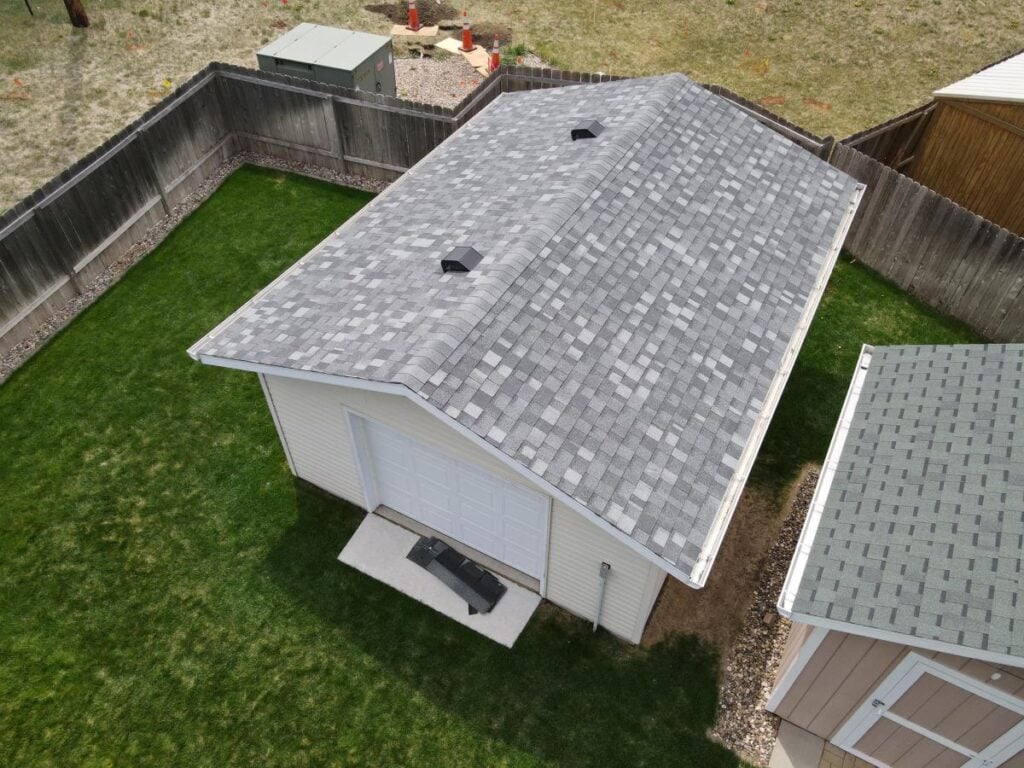
- Gable roof: Two sloping sides that form a triangle. Simple to measure.
- Hip roof: Four sloping sides, more complex than a gable roof.
- Gambrel, mansard, or shed roofs: May require segment-by-segment measurement.
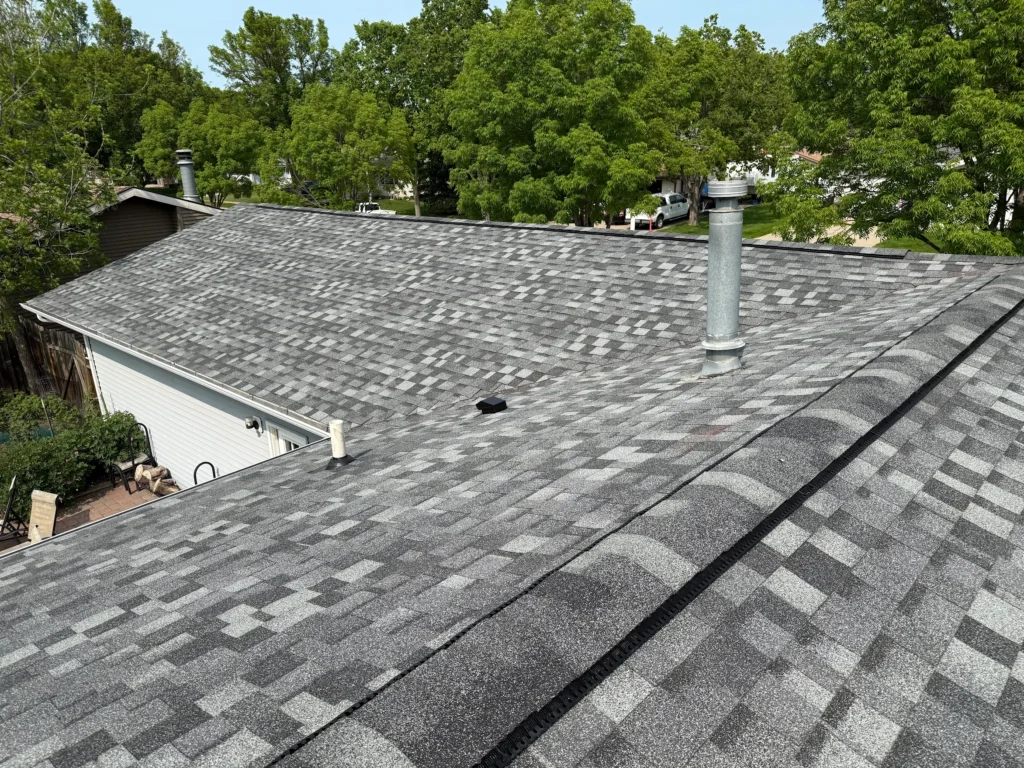
If your roof has dormers, valleys, or other unique features, these may require additional calculations.
5 Steps to Take to Measure Your Roof
Measuring your roof might seem intimidating at first, but breaking it down into clear steps makes the process manageable. Follow these five essential steps to ensure your shingle estimate is as accurate as possible.
1. Measure the Base Area From the Ground
If you have a simple roof, you can take rough measurements from the ground or attic floor using a measuring tape. This gives you the footprint of your home, which serves as a starting point.
How to Measure From the Ground: Measure the length and width of your home’s exterior walls. Multiply the length by the width to get the base square footage. For example, a 40-foot by 30-foot home has a base area of 1,200 square feet. This is the flat measurement before you adjust for roof slope.
2. Factor in Roof Pitch
Your roof’s pitch—how steep it is—directly impacts its total surface area. The steeper the pitch, the more shingles you’ll need to account for the increased surface.
How to Determine Pitch: Use a level and a ruler to measure the vertical rise over a 12-inch horizontal run. For instance, a 6:12 pitch means the roof rises 6 inches for every 12 inches of run. Then, use a pitch multiplier to adjust the base area accordingly.
Example: If your roof is 1,200 square feet and has a 6:12 pitch (multiplier of 1.12), your total roof area would be:
1,200 sq. ft x 1.12 = 1,344 sq. ft
3. Divide Total Area by 100 to Find “Squares”
Shingles are sold by the “square,” with one square covering 100 square feet. To determine how many squares you need, divide the total roof area by 100.
Example: 1,344 sq. ft / 100 = 13.44 squares. Always round up and add about 10% for waste and extra material, bringing the total to about 15 squares. This accounts for cutting, starter strips, and ridge caps.
4. Account for Additional Features
Certain roof elements require special attention and may increase your material needs. These include dormers, valleys, hips, ridges, and overhangs.
What to Include: Measure the linear footage of hips and ridges, which will require special shingles. Valleys will need flashing and may demand extra coverage due to water flow. Dormers and overhangs should also be factored into your measurements to avoid shortages.
5. Finalize Your Materials Estimate
Once you’ve calculated your total square footage, adjusted for pitch, and added extra features, you can compile your full material estimate. Don’t forget to add underlayment, nails, drip edge, and ventilation components.
Tip: Shingles usually come in bundles, and three bundles make up one square. If you need 15 squares, you’ll need around 45 bundles—plus any extras for hip and ridge caps.
How Roof Complexity Impacts Measurement Time
Not all roofs are quick to measure. Complex rooflines with intersecting sections, dormers, or multiple slopes will take more time and precision. These designs require breaking the roof into smaller sections and measuring each individually.
Complicated Designs Require More Detail
- Split-level homes: Often need individual measurements for each roof plane.
- Dormers and valleys: Add square footage and require extra material planning.
- Multi-level roofs: Must be treated as separate rectangles or triangles for accuracy.
When in doubt, professional roofers in Mandan and surrounding areas can provide precise measurements using advanced tools like drones or satellite imagery.
The Role of Roof Deck Condition in Your Planning
When measuring your roof for shingles, it’s also a good time to assess the condition of the roof deck. The roof deck is the plywood or OSB layer beneath the shingles, and its health is critical to proper installation.
Signs Your Roof Deck May Need Replacement
- Sagging areas: Can indicate rot or water damage.
- Soft spots: Should be checked during a walk-over (only by professionals).
- Visible mold or mildew: Signals moisture problems that need to be resolved before re-roofing.
Including potential decking repairs in your material estimate will help avoid surprises later in the project.
Why Proper Measurement Saves You Money
Accurate roof measurements don’t just ensure you have enough shingles—they also help reduce waste, avoid rush reorders, and improve contractor efficiency.
Financial Benefits of Getting It Right
- Fewer delays: Prevents mid-project material shortages.
- Reduced waste: Cuts down on leftover shingles you may not use.
- Better contractor estimates: Roofers can provide more accurate quotes.
- Smarter shopping: Knowing your square footage lets you price out materials ahead of time.
For homeowners in Mandan and surrounding areas, taking the time to measure properly means fewer surprises and smoother results.
Pro Tips for Accurate Measurement
Accuracy is key—an underestimation can delay your project, while overestimating can result in wasted money.
Keep These Best Practices in Mind
- Use satellite measurement tools: Online tools like RoofSnap or EagleView offer digital measurement estimates.
- Use a roofing calculator: Many manufacturers offer online calculators based on pitch and size.
- Check your math: Double-check all calculations and round up for safety.
- Know when to call a pro: If your roof is steep, complex, or unsafe to access, hire a contractor for precise measurement.
Start Your Shingle Project with Confidence
Learning how to measure a roof for shingles gives you more control over your roofing project and helps you communicate clearly with contractors. Whether you’re just planning or ready to purchase materials, accurate measurements are the foundation of a smooth installation process.
Homeowners in Mandan and surrounding areas trust 5 Star Roofing and Contracting to handle every detail—from accurate roof measurements to professional shingle installation. We take the guesswork out of roofing so you get long-lasting results and great value.
Contact 5 Star Roofing and Contracting today for a free inspection and let our experts take the stress out of your next roofing project.


