


Metal Roof vs Shingles: Which Is Better for Your Home?
The metal roof vs shingles decision is one of the biggest exterior choices you will make as a homeowner, and it shapes everything from your monthly energy bill to how often you write a check for a new roof. Homeowners should consider various roofing options, as roof design and architecture can influence which material is best suited for your home. Asphalt shingles still cover the majority of American homes thanks to their low upfront cost and familiar look, but standing seam metal and metal shingle systems have steadily taken market share because they last two to three times longer and reflect more heat. Choosing the right material comes down to how long you plan to own the home, what your climate throws at the roof, and how you weigh initial investment against decades of ownership savings.
- Upfront cost: Asphalt shingles cost roughly half to one-third as much as metal at installation. Shingle roofs are generally easier and more cost effective to install, while metal options come at a higher price point but offer superior durability.
- Long-term value: Metal often wins on lifecycle cost because one metal roof outlasts two or three shingle replacements.
- Climate fit: Metal handles snow, wind, and hail better, while shingles still perform well in mild climates and on simple rooflines. In areas prone to wildfires, fire resistant metal roofs are often the safer choice.
How Do Metal Roofs and Asphalt Shingles Actually Compare?
Metal roofs and asphalt shingles differ in nearly every measurable category, including cost, lifespan, weight, energy efficiency, fire resistance, and resale value. Most contractors are more familiar with shingle roof installation, making it a cost effective option for many homeowners due to its affordability, ease of installation, and versatility. Roofing contractors play a key role in ensuring proper installation and performance for both metal and shingle roofs. Choosing between them is less about which material is universally better and more about which set of trade-offs fits your home, climate, and ownership timeline.
What Are Asphalt Shingles?
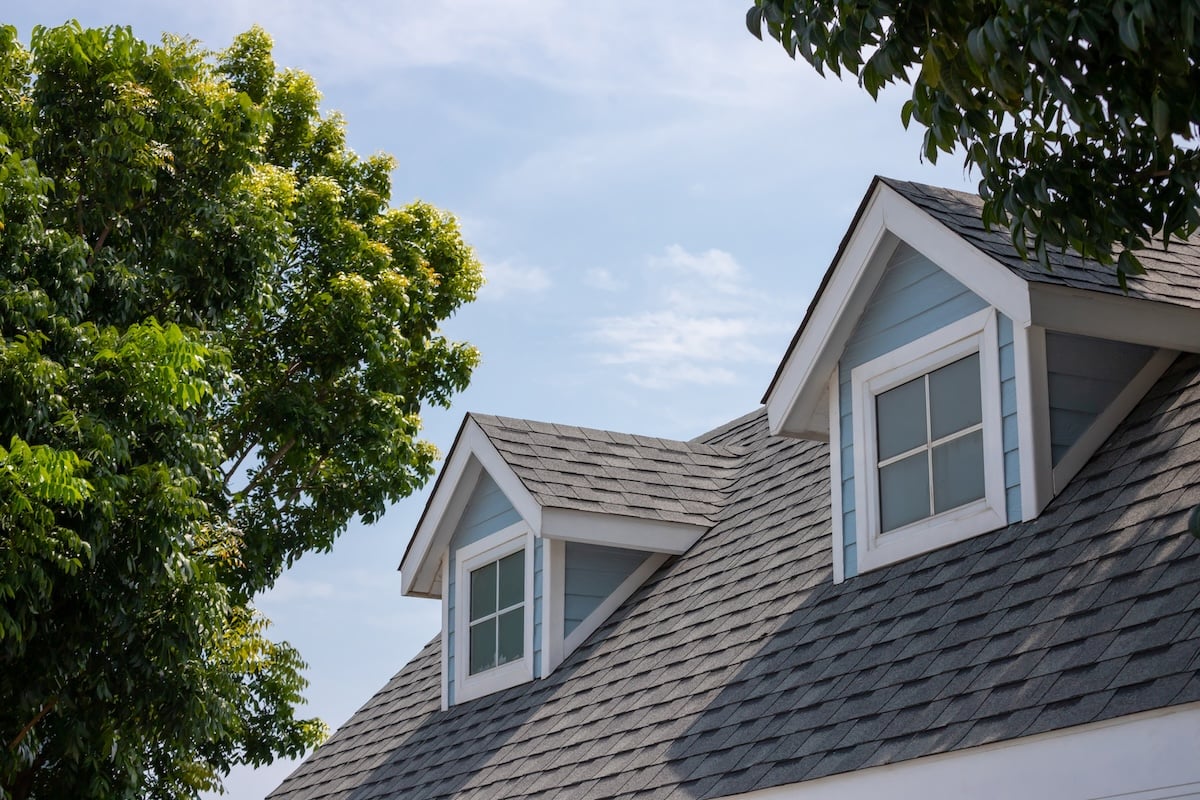
Asphalt shingles are the most common residential roofing material in the United States, made from a fiberglass mat saturated with asphalt and topped with ceramic-coated mineral granules. They install in overlapping rows from the bottom of the roof up, sealing themselves together with heat from the sun, and come in two main grades: basic three-tab shingles and thicker, longer-lasting architectural or dimensional shingles. Major manufacturers like GAF, Owens Corning, IKO, and CertainTeed dominate the market, and most products carry warranties between 25 and 50 years even though real-world lifespan tends to land closer to 15 to 30 years. Shingle roof cost and shingle costs are typically lower than metal roofing, with asphalt shingles offering a more affordable initial expense for homeowners.
- Three-tab shingles: Basic flat-profile shingles lasting 15 to 20 years, the cheapest option at $1 to $2 per square foot installed. These are prone to lose granules over time, which can lead to frequent repairs.
- Architectural shingles: Thicker, dimensional shingles lasting 25 to 30 years, the residential standard at $3 to $5 per square foot installed.
- Designer shingles: Premium luxury shingles mimicking slate or wood shake, lasting up to 50 years at $5 to $9 per square foot installed.
- Class A fire rating: Most modern asphalt shingles carry the highest fire resistance rating when installed over proper underlayment.
Shingle roof replacements are needed more frequently than metal roofs, which impacts long-term costs and budgeting. Regular inspections and regular maintenance are important to prolong the lifespan of a shingle roof and to catch issues like cracking or granule loss early. While shingle roofs offer a wide range of styles and colors, they are often limited to darker, dull colors due to the materials used, making bright or vivid colors more challenging to achieve. Repairing asphalt shingles is generally cheaper than repairing metal roofs, but repairs may be needed more frequently due to their vulnerability to weather-related damage.
What Are Metal Roofs?
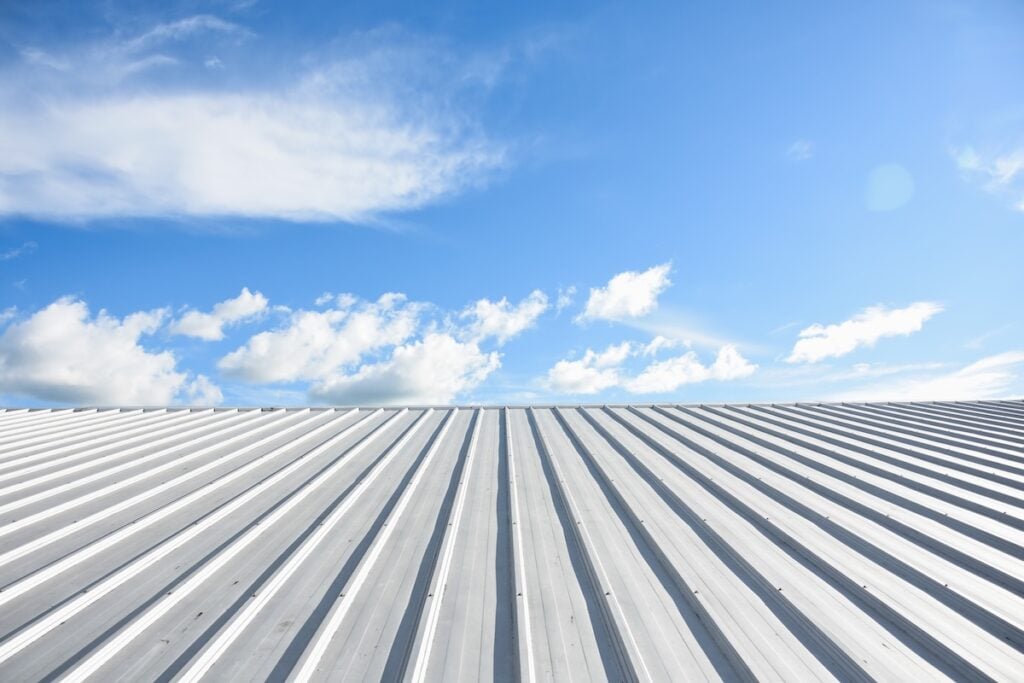
Metal roofing is a long panel or shingle-style system made from steel, aluminum, copper, or zinc that fastens to the roof deck with concealed clips or exposed screws. There are several types of metal roofing systems, including standing seam and exposed fastener systems, each offering different features and installation methods. Standing seam metal, the most popular residential style, uses vertical panels with raised interlocking seams that hide the fasteners and create a clean, modern look. Metal shingles or stamped metal panels mimic the appearance of slate, shake, or traditional shingles while delivering metal’s longer lifespan, and they are often the better fit for traditional architectural styles. Metal roofing panels are available in a wide variety of metal options, each with its own cost and durability profile.
- Standing seam: Vertical panels with concealed fasteners, lasts 50 to 70 years at $10 to $20 per square foot installed.
- Metal shingles: Stamped panels resembling slate or shake, lasts 40 to 60 years at $8 to $14 per square foot installed.
- Corrugated steel: Exposed-fastener panels common on agricultural and budget residential, lasts 25 to 40 years at $4 to $8 per square foot installed.
- Copper and zinc: Premium metal options with century-plus lifespans, $20 to $40 per square foot installed.
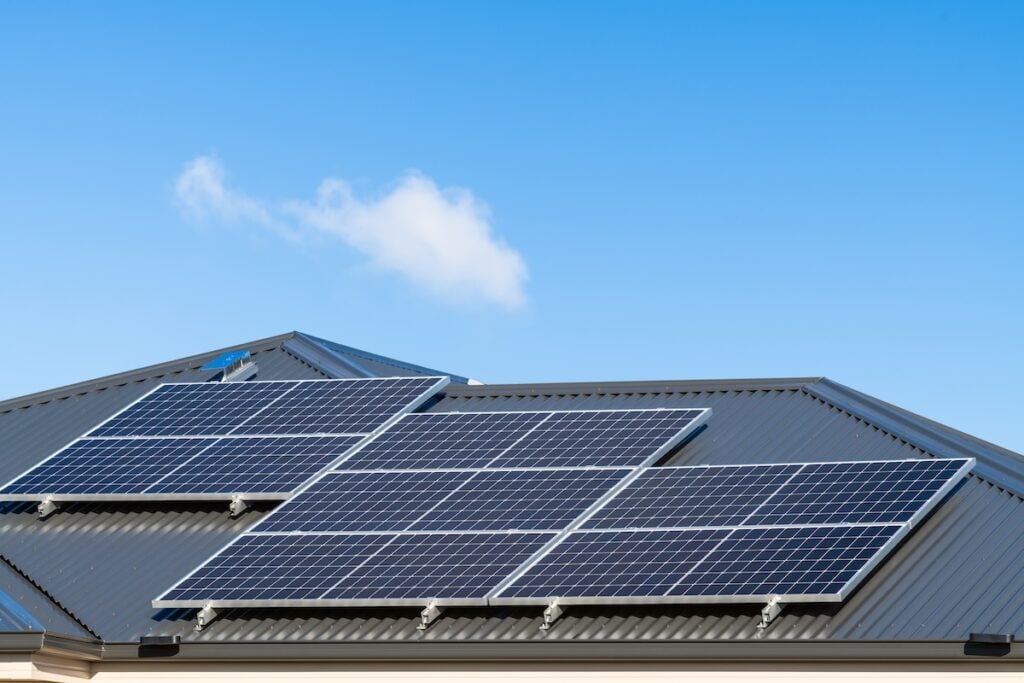
Metal roofs are highly resistant to fire, wind, hail, and impact, and are considered low maintenance, generally requiring only periodic inspections and simple cleaning. Installation of metal roofing is more labor intensive and comes with higher labor costs due to the need for specialized tools and highly trained installers. Metal roofs are also compatible with solar panels, making integration and energy savings easier for homeowners interested in solar technology. Thanks to partnerships with paint companies that develop specialized paint systems for metal panels, metal roofing can come in virtually any color, including bright and vivid colors as well as earth tones. Additionally, most metal roofs contain up to 95% recycled content and are 100% recyclable at the end of their life.
Metal Roof vs Shingles: Cost Comparison
Cost is usually the first thing homeowners compare, and on day one asphalt shingles win by a wide margin as a cost effective option for those with budget constraints. However, metal roofs cost more upfront, representing a higher initial investment and one time cost, with a higher price point compared to shingles. Look at the picture across 30 or 50 years, however, and metal often closes the gap or pulls ahead because of fewer replacements, lower maintenance, and reduced cooling bills, making it potentially more cost effective over the long term.
How Much Does Each Roof Cost Installed?
Asphalt shingle replacement on a typical 2,000 square foot home costs $8,000 to $14,000 installed, while standing seam metal on the same home runs $16,000 to $28,000 installed. Per square foot, asphalt shingles cost $3 to $5 installed and metal roofing costs $10 to $20 installed for steel or aluminum, with copper pushing past $30 per square foot. The metal premium typically lands at 80 to 120 percent over asphalt, which is the single biggest reason shingles still dominate new construction and replacement work nationwide.
- Asphalt installed: $3 to $5 per square foot, $8,000 to $14,000 for a 2,000 square foot roof.
- Steel or aluminum metal installed: $10 to $20 per square foot, $16,000 to $28,000 for the same roof.
- Copper or zinc installed: $20 to $40 per square foot, often $40,000 plus for a typical home.
- Tear-off costs: Both materials require the old roof to be removed first, adding $1 to $2 per square foot.
What About Lifecycle Cost?
Lifecycle cost flips the comparison once you look at 50 or 60 years of ownership. Architectural asphalt shingles realistically last 22 to 28 years in moderate climates, while standing seam metal lasts 50 to 70 years, meaning a homeowner staying in the same house for 60 years buys roughly 2.5 asphalt roofs versus one metal roof. At current pricing, that math frequently makes metal the cheaper option per year of service even before factoring in energy savings or insurance discounts.
According to the U.S. Department of Energy, reflective cool roofs can stay more than 50 degrees Fahrenheit cooler than conventional dark roofs under the same summer conditions, which directly translates to lower air-conditioning loads and reduced cooling bills throughout the warm months.
- Asphalt over 60 years: Roughly 2.5 installations totaling $20,000 to $35,000 in current dollars.
- Metal over 60 years: One installation totaling $16,000 to $28,000 in current dollars.
- Energy savings: Reflective metal roofs can cut summer cooling costs by 10 to 25 percent annually.
- Insurance discounts: Many carriers offer 5 to 30 percent premium discounts for impact-resistant Class 4 roofs, which most metal qualifies for.
Lifespan and Durability Comparison
Lifespan is where metal pulls cleanly ahead and often justifies the upfront premium for homeowners planning to stay in their home long-term. Metal roofing typically lasts 50 to 70 years, while asphalt shingles generally last between 20 to 30 years, making metal roofs a more durable and long-lasting option. Durability also matters in storm-prone regions where wind, hail, and ice put repeated stress on the roof. Metal roofs are highly resistant to fire, wind, and impact from hail or debris, providing superior durability compared to asphalt shingles, which are more prone to cracking and damage in extreme weather. When properly installed, metal roofing is designed to withstand extreme weather conditions, making it a strong and durable choice.
How Long Do Asphalt Shingles Really Last?
Asphalt shingles realistically last 15 to 30 years depending on grade, climate, ventilation, and installation quality. Three-tab shingles average 15 to 20 years, architectural shingles average 22 to 28 years, and the 50-year warranties printed on premium products are prorated and rarely pay out at face value. Heat, humidity, freeze-thaw cycles, and UV exposure all shorten real-world lifespan, which is why upper Midwest and Northeast roofs often need replacement on the shorter end of the range.
- Three-tab average: 15 to 20 years before granule loss and curling force replacement.
- Architectural average: 22 to 28 years in real-world conditions, despite longer warranty claims.
- Climate impact: Hot, humid southern climates and freeze-thaw northern climates both shorten lifespan.
- Storm vulnerability: Wind speeds over 80 mph and hail larger than one inch routinely damage asphalt.
How Long Do Metal Roofs Last?
Metal roofs last 40 to 70 years on average and frequently outlive the home itself. Standing seam steel and aluminum systems carry 30 to 50 year manufacturer warranties and consistently deliver 50-plus years of service, while copper and zinc routinely pass the 100-year mark. Metal resists rot, insect damage, algae growth, fire, and most storm impacts, though it can dent under direct hail strikes from stones larger than two inches.
- Standing seam steel and aluminum: 50 to 70 years with minimal maintenance.
- Stamped metal shingles: 40 to 60 years depending on coating and gauge.
- Copper and zinc: 75 to 100 plus years, often outlasting the structure beneath.
- Storm performance: UL 2218 Class 4 impact ratings standard on most metal systems.
Energy Efficiency, Maintenance, and Resale Value
Beyond cost and lifespan, three less obvious factors push the metal roof vs shingles decision: how much each material impacts energy costs, how much ongoing care it needs, and how it affects the home’s resale value. Metal roofs can help reduce cooling costs thanks to their reflective properties, which improve energy efficiency and lower air conditioning expenses in hot weather. All three factors tend to favor metal more often than not, though the margin varies by region.
Which Roof Is More Energy Efficient?
Metal roofing is significantly more energy efficient than asphalt shingles, especially in warm and mixed climates. Reflective metal coatings reflect solar radiation back into the atmosphere instead of absorbing it as heat, which is why ENERGY STAR-rated metal roofs can cut summer cooling costs by 10 to 25 percent. Asphalt shingles absorb solar heat by design, transferring it into the attic and forcing the air conditioner to work harder during peak afternoon hours. Dark-colored shingles, in particular, absorb even more heat, which can increase energy costs in hot climates. For metal roofs, proper insulation is important to address noise concerns, as it helps reduce sound transmission from rain and hail.
- Reflective metal: Reduces cooling load by 10 to 25 percent in hot and mixed climates.
- Cool-rated shingles: Available from major brands but still less reflective than painted metal.
- Ventilation: Standing seam systems with above-sheathing ventilation deliver the best energy performance.
- Tax credits: ENERGY STAR-certified metal roofs may qualify for the federal Energy Efficient Home Improvement Credit.
What Maintenance Does Each Roof Need?
Asphalt shingles need annual inspections, periodic cleaning of moss and algae, and spot repairs for missing or curling shingles, with average repair costs around $400 to $1,000 per service. Regular inspections and regular maintenance are essential for identifying issues like cracking or granule loss early and prolonging the lifespan of a shingle roof. Metal roofs need almost no routine maintenance beyond clearing debris from valleys and inspecting sealant at penetrations every few years, though dented panels from hail or fallen branches occasionally require replacement. Both roofs benefit from gutter maintenance and proper attic ventilation to maximize lifespan, and both types require consistent upkeep to ensure optimal performance.
- Shingle maintenance: Annual inspection, moss treatment as needed, regular maintenance, and shingle replacement after storms.
- Metal maintenance: Periodic debris removal and sealant inspection at penetrations every 5 to 10 years.
- Common shingle repairs: Wind-lifted tabs, granule loss, cracked shingles around vents and chimneys.
- Common metal repairs: Resealing fasteners on exposed-fastener systems, replacing dented panels.
How Does Each Roof Affect Resale Value?
Both roofs typically recover 60 to 70 percent of their cost at resale, but metal often makes the home sell faster because buyers value the long remaining lifespan and energy savings. The choice of roofing material can significantly influence a home’s resale value and attractiveness to future buyers, as long-term durability and lower maintenance costs are appealing selling points. The Remodeling Cost vs. Value Report consistently shows asphalt shingle replacement near the top for ROI in most markets, while metal roofing recovers a similar percentage on a much larger investment. In regions where metal is common, like rural areas, mountain communities, and coastal zones, the resale premium for metal is even stronger.
- Asphalt ROI: Roughly 60 to 70 percent recovered at resale, especially within five years of replacement.
- Metal ROI: Roughly 60 to 85 percent recovered at resale, with stronger performance in regions where metal is common.
- Buyer perception: A new metal roof is often marketed as a feature, while a new asphalt roof is expected.
- Insurance impact: Class 4 impact-resistant metal can lower the buyer’s homeowners insurance premium.
Frequently Asked Questions
Is a Metal Roof Worth the Extra Cost?
A metal roof is generally worth the extra cost if you plan to stay in your home for 15 years or longer, live in a climate with harsh weather, or want to lower your cooling bills. Metal roofs offer long-term value and can be a cost-effective choice for homeowners who intend to remain in their home for many years, thanks to their durability and reduced maintenance needs. The math favors metal less often for short-term owners or homeowners in mild climates with simple rooflines. Run the numbers on lifecycle cost, energy savings, and insurance discounts before deciding.
Are Metal Roofs Loud When It Rains?
Modern metal roofs installed over solid decking with proper underlayment are no louder than asphalt shingles. The myth comes from old barn-style installations where corrugated panels were fastened to open framing with no insulation between the metal and the interior. Residential standing seam systems include a layer of plywood or OSB decking, synthetic underlayment, and attic insulation that absorb sound effectively. Proper insulation is key to minimizing noise from rain and hail on metal roofs.
Can You Install Metal Over Existing Shingles?
Many municipalities allow metal roofing to be installed directly over a single layer of existing asphalt shingles, which can save $1,000 to $2,500 in tear-off costs. The decking and rafters must be in good structural condition, local codes must permit the overlay, and the installer should add a separation layer to prevent abrasion. A licensed contractor will know your local code and confirm whether overlay installation is appropriate for your home.
Do Metal Roofs Attract Lightning?
Metal roofs do not attract lightning any more than asphalt shingle roofs do, and they actually make a home safer if lightning strikes nearby. Metal is non-combustible, dissipates electrical energy across the roof surface, and reduces fire risk compared to flammable roofing materials. The Metal Construction Association and the National Fire Protection Association both confirm this safety advantage.
How Long Does Each Roof Take to Install?
Asphalt shingle installation on a typical home takes one to three days from tear-off to cleanup. Shingle installation is generally easier and less labor intensive than metal roofing, which requires more specialized skills and time. Metal roof installation takes three to seven days because panels are often custom-cut on site, fasteners require precise placement, and flashing details around penetrations take longer. Weather delays affect both, but metal installations are more sensitive to wind during panel placement.
Will My Insurance Go Down With a Metal Roof?
Many insurance carriers offer 5 to 30 percent homeowners premium discounts for Class 4 impact-resistant roofing, which most standing seam metal systems qualify for. Discounts vary by carrier, location, and policy, so call your agent before installation to confirm the specific savings available on your policy. The discount alone can recover hundreds of dollars per year on a typical premium.
Why 5 Star Roofing and Contracting Is the Right Partner for Your Roofing Decision
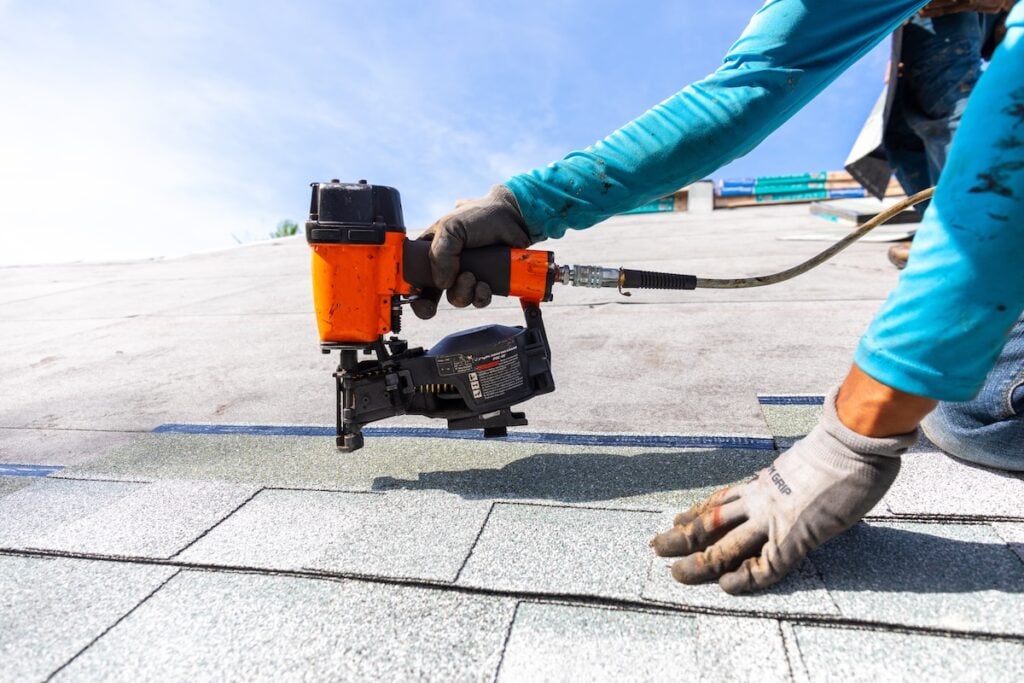
Choosing between metal and shingles is a 30-plus year decision that deserves an experienced contractor who walks you through every trade-off honestly, and 5 Star Roofing and Contracting brings exactly that experience to every consultation. We install both metal and shingle roofs, and offer a free estimate to help homeowners compare options easily and transparently. As an IKO ShieldPRO Certified Contractor, HomeAdvisor Top Rated installer, fully licensed contractor, and emergency repair provider, our team installs both premium asphalt shingle systems and long-lasting metal roofs with the same attention to flashing, ventilation, and underlayment that determines real-world lifespan.
Choosing experienced roofing contractors is essential for both metal and shingle roofing to ensure proper installation and durability. We measure your roof, evaluate your decking, factor in your climate and ownership timeline, and give you a written quote that lets you compare metal and shingle options side by side without pressure. Reach out to 5 Star Roofing and Contracting today for a free, no-obligation quote and expert guidance on which roofing material is the smarter long-term choice for your home.


