


What Is a Roof Vent Cap and Why It Matters?
A roof vent cap might be a small piece of your home’s ventilation system, but it plays a big role in keeping your roof healthy and your home comfortable. If your roof vent cap isn’t working properly, you could face problems like moisture buildup, leaks, and even mold growth over time. Homeowners in Bismarck and surrounding areas often overlook this simple component, yet it’s essential for maintaining good airflow and extending the life of your roofing system.
- Airflow control: Roof vent caps help your attic breathe, balancing indoor and outdoor air.
- Moisture prevention: They block rain and snow from entering your vents.
- Energy efficiency: Proper ventilation can reduce heating and cooling costs throughout the year.
Let’s explore what a roof vent cap does, the different types available, and how it protects your home from damage.
Understanding the Purpose of a Roof Vent Cap
Before choosing the right one, it’s important to understand why roof vent caps exist and how they function in your home’s ventilation system.
How Roof Vent Caps Work
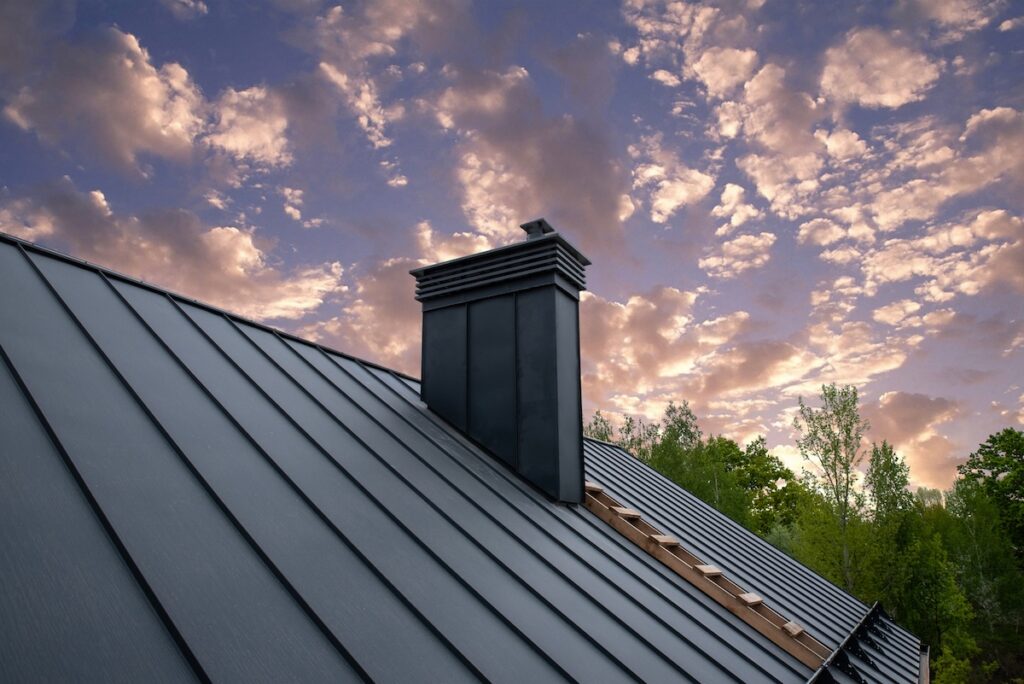
A roof vent cap covers the open end of a vent pipe that exits through your roof. This cap allows warm, moist air from bathrooms, kitchens, and attics to escape while preventing water, debris, and pests from getting inside. In Bismarck’s climate, where snow and wind are common, a well-installed cap ensures your vent remains clear all year long.
Why Roof Vent Caps Are Essential
Without a cap, your roof’s vent is vulnerable to blockages and leaks. That means moisture could accumulate inside your attic or walls, leading to wood rot and insulation damage. A properly sealed cap acts like a shield—letting air out but keeping everything else from getting in. For homes in Bismarck and surrounding areas, this simple feature can make a big difference during harsh winter months.
Common Types of Roof Vent Caps
There’s no one-size-fits-all solution when it comes to vent caps. Each type is designed for specific venting needs and roof setups.
Metal Roof Vent Caps
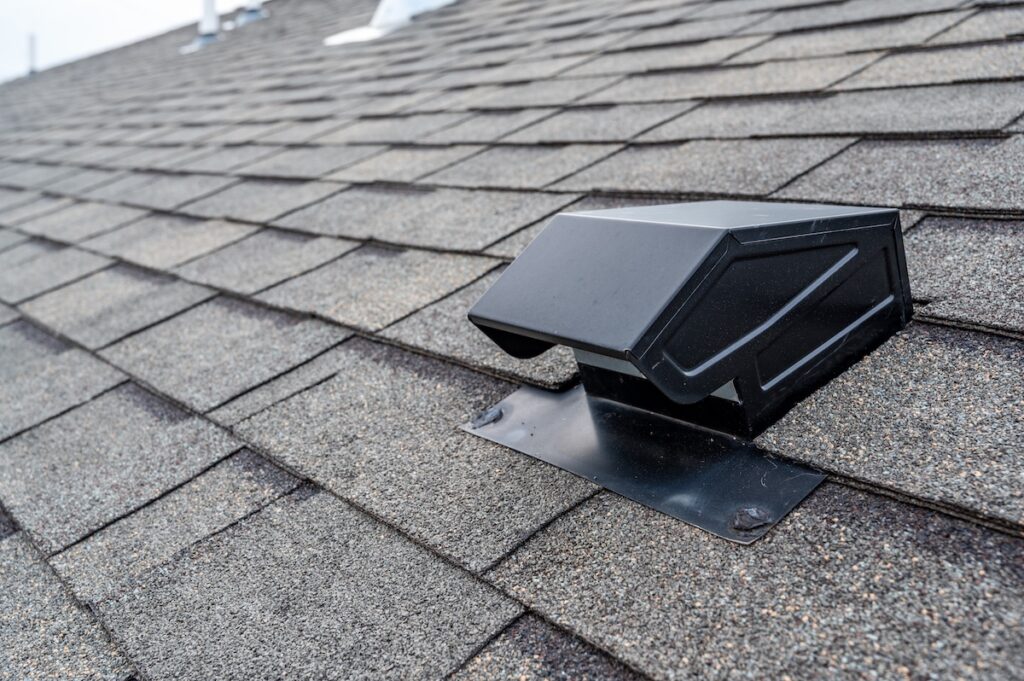
Metal caps are durable, long-lasting, and ideal for homes that experience heavy snow or strong winds. They’re typically made of galvanized steel or aluminum, offering superior protection from rust and corrosion.
- Durability: Metal caps withstand harsh weather conditions and UV exposure.
- Fire resistance: They’re less likely to warp or melt under extreme heat.
- Longevity: With proper maintenance, metal caps can last decades.
Choosing durable components like metal caps contributes to the overall resilience of your entire exterior. Because these materials are built to withstand North Dakota’s harshest weather, they are a key reason why homeowners often ask how long does a metal roof last compared to traditional shingles.
Plastic Roof Vent Caps
Plastic vent caps are lightweight and affordable. They’re a common choice for standard bathroom or kitchen exhaust vents but aren’t always suitable for extreme weather conditions.
- Affordability: Plastic options cost less upfront.
- Ease of installation: Lightweight material simplifies the process.
- Maintenance needs: They may require replacement sooner than metal alternatives.
Copper Roof Vent Caps
For homeowners seeking both function and aesthetic appeal, copper vent caps offer a timeless, elegant look. Over time, they develop a natural patina that enhances their charm.
- Aesthetic appeal: Adds a high-end finish to your roofline.
- Corrosion resistance: Copper naturally resists rust and weathering.
- Longevity: Can last 50 years or more with minimal upkeep.
5 Signs You Need to Replace Your Roof Vent Cap
Even the most durable vent caps can wear out over time. Watch for these signs that it’s time for a replacement.
- Visible cracks or damage: If you see chips, holes, or warping, your cap is no longer providing adequate protection.
- Water stains inside your attic: Moisture around the vent opening could indicate a failed seal or a missing cap.
- Unusual odors or poor airflow: If indoor air feels stuffy or humid, your ventilation system may not be functioning correctly.
- Animal nests or debris buildup: Birds, rodents, and leaves can clog uncovered vents quickly.
- Rust or corrosion: For metal caps, rust spots signal that it’s time to upgrade to a new, weather-resistant model.
How a Roof Vent Cap Protects Your Home
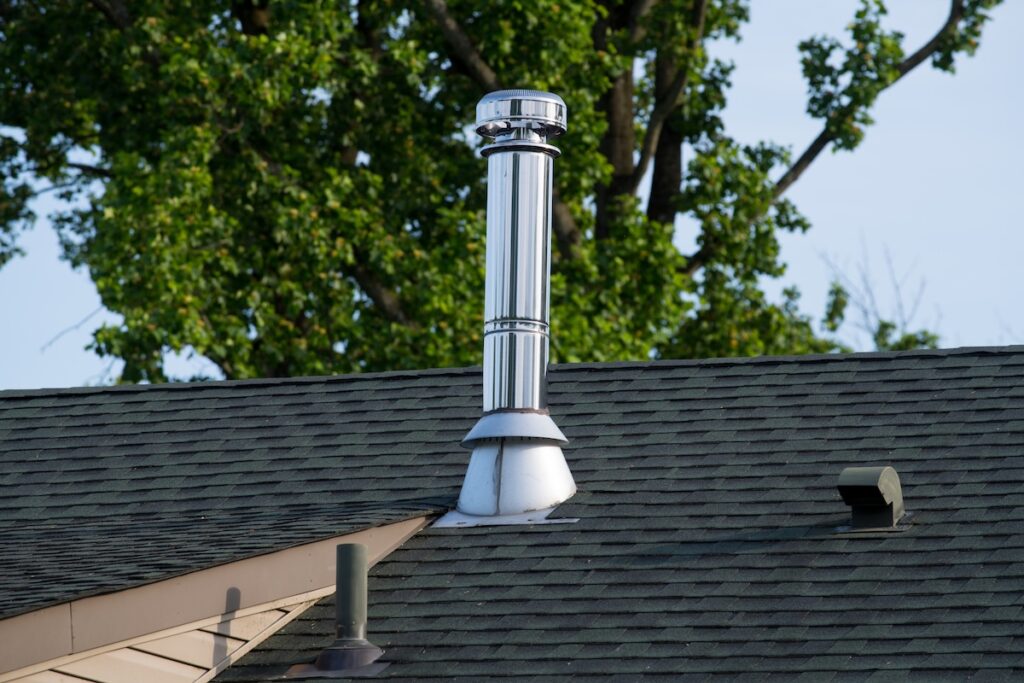
A functioning roof vent cap does more than just cover a pipe—it plays a major role in preserving the health of your entire roofing system.
Prevents Water Intrusion
When rain or snow hits your roof, the cap keeps that moisture from entering your vent openings. In areas like Bismarck and surrounding communities, where precipitation is frequent, this simple protection prevents leaks that could otherwise cause costly interior damage.
Improves Attic Ventilation
A roof vent cap works with your home’s ventilation system to balance air exchange. This process helps regulate attic temperatures, reducing strain on your HVAC system and lowering your utility bills. Proper ventilation also minimizes ice dam formation in cold weather.
Keeps Out Pests and Debris
Small openings on your roof can be inviting to animals and insects. A vent cap acts as a barrier against squirrels, birds, and wasps while also stopping leaves and debris from clogging the vent line.
Choosing the Right Roof Vent Cap for Your Home
Selecting the right vent cap depends on your roof type, climate, and ventilation needs.
Match the Cap to Your Vent Type
Different exhaust systems require specific cap designs. Bathroom, kitchen, and attic vents each release different types of air and moisture, so choosing a compatible cap is essential for safety and performance.
Consider Your Roofing Material
The shape and slope of your roof determine the best type of cap and flashing needed for a watertight fit. Metal roofs, for example, may need a specially designed vent to ensure a proper seal.
Hire a Professional Roofer
Installing a roof vent cap might look simple, but improper installation can lead to leaks or reduced airflow. That’s why homeowners in Bismarck and surrounding areas rely on professional roofing contractors like 5 Star Roofing and Contracting to ensure the job is done right.
Maintenance Tips for Long-Lasting Performance
Even with a quality installation, regular maintenance keeps your roof vent cap working properly for years to come.
- Inspect Caps Seasonally: Check your vent caps twice a year—once in spring and again before winter. Look for cracks, rust, or blockages caused by debris.
- Clean the Vent Openings: Remove leaves, twigs, and dirt that may collect around your vent openings. This simple cleaning step keeps air flowing freely.
- Reseal if Necessary: Weather changes can loosen flashing or caulk around the vent. Reapply sealant if you notice gaps to prevent leaks from forming during storms.
The Importance of Professional Installation
Hiring a certified roofing expert ensures your roof vent cap is installed correctly and securely. Professionals can recommend the right materials, seal the vent properly, and test for optimal airflow. At 5 Star Roofing and Contracting, our team follows strict installation standards backed by our IKO ShieldPRO Certification, ensuring your roof performs efficiently for decades.
Protect Your Roof With 5 Star Roofing and Contracting
Your roof vent cap may be a small component, but it has a big job—keeping moisture, pests, and debris out while maintaining healthy airflow through your home. If you suspect your cap is damaged or missing, don’t wait for problems to appear. Homeowners in Bismarck and surrounding areas trust 5 Star Roofing and Contracting for expert inspections, precise repairs, and top-quality installations.
Protect your home’s ventilation system with professionals who care about craftsmanship, clarity, and accountability. Contact 5 Star Roofing and Contracting today for a free inspection and keep your roof performing at its best.


