


Roof Vents Explained: Types and When You Need Them
Roof vents play a critical role in maintaining a comfortable and energy-efficient home, yet many homeowners aren’t entirely sure how they work or why they’re necessary. By promoting healthy airflow between your attic and the outdoors, roof vents help regulate temperature, prevent moisture buildup, and extend the lifespan of your roof. For homeowners in Dickinson and surrounding areas, where seasonal extremes range from humid summers to frigid winters, a proper ventilation system can make all the difference.
- Temperature regulation: Roof vents release trapped heat to maintain consistent attic temperatures.
- Moisture control: Proper ventilation reduces condensation and mold growth.
- Energy efficiency: Balanced airflow helps lower heating and cooling costs year-round.
Understanding the different types of roof vents and when you need them can help you protect your roof investment and maintain a healthier home.
Why Roof Ventilation Matters
Before exploring vent types, it’s important to understand why ventilation is essential in the first place.
The Purpose of Roof Ventilation
Your roof and attic act as the top layer of your home’s insulation and air circulation system. Without proper ventilation, heat and humidity can accumulate beneath the roof deck, causing damage to shingles, underlayment, and structural components. In Dickinson’s varied climate, proper airflow keeps roofs cooler in summer and prevents ice dam formation in winter.
How Poor Ventilation Affects Your Home
When air becomes trapped in your attic, it can cause several issues over time:
- Moisture damage: Condensation leads to mold growth, wood rot, and weakened rafters.
- High energy bills: Overheated attics force HVAC systems to work harder.
- Shortened roof lifespan: Excess heat and humidity degrade materials faster.
- Ice dams: In winter, warm attic air melts snow unevenly, leading to dangerous ice buildup along eaves.
Proper roof venting prevents these problems by maintaining a steady exchange of air between your attic and the outdoors.
Common Types of Roof Vents
There’s no one-size-fits-all solution when it comes to ventilation. Each vent type is designed for specific roof structures, climates, and air movement needs.
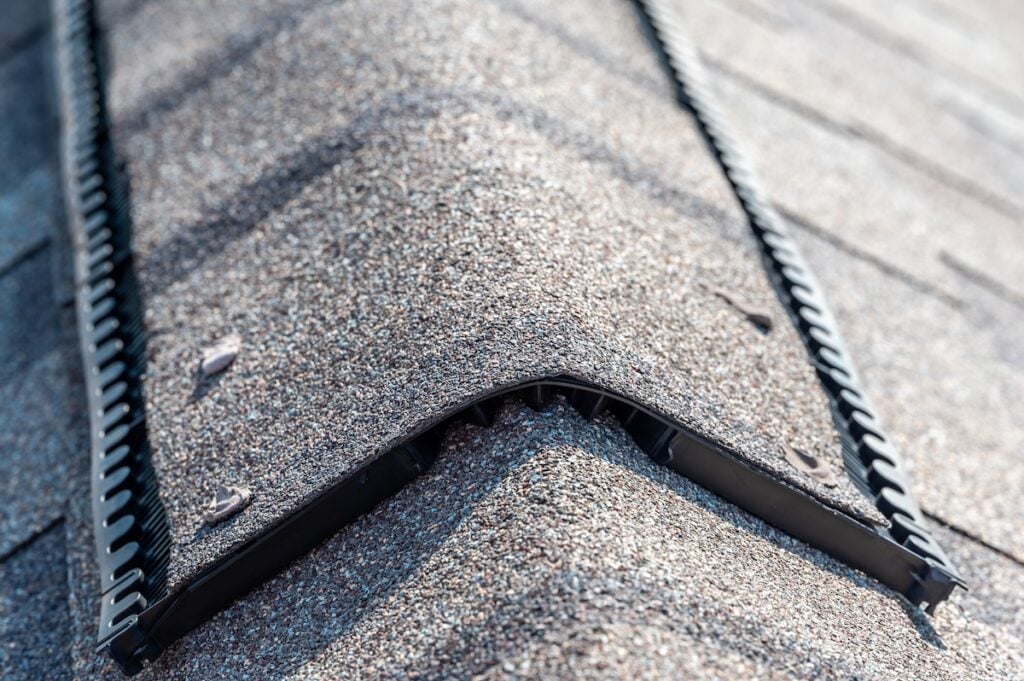
Ridge Vents
Ridge vents are long, narrow openings installed along the peak of your roof. They allow hot air to escape evenly across the attic while maintaining a low-profile appearance.
- Efficiency: Provides continuous airflow along the roof’s highest point.
- Aesthetic appeal: Blends seamlessly with most roofing designs.
- Ideal for: Homes with gable or hip roofs that need balanced exhaust ventilation.
Soffit Vents
Installed under the eaves, soffit vents draw cool air into the attic to replace the hot air escaping through ridge vents.
- Functionality: Promotes air intake, completing the ventilation cycle.
- Design: Available in perforated panels or small individual vents.
- Benefit: Helps prevent moisture buildup and mold growth in attic insulation.
Gable Vents
Gable vents are installed on the exterior walls near the roof peak and are often shaped like triangles or rectangles.
- Airflow direction: Allows hot air to escape through the gable ends.
- Aesthetic options: Available in a variety of colors and materials to match your siding.
- Best for: Homes with attics that have gable ends and sufficient cross ventilation.
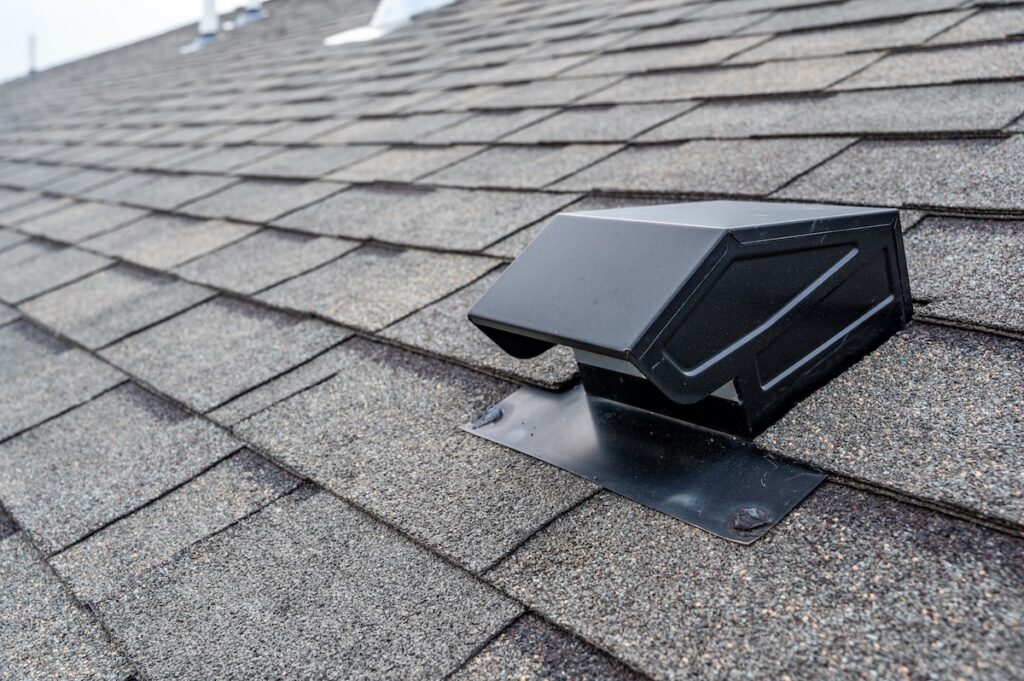
Roof Louvers (Box Vents)
Also known as static vents, these small metal or plastic boxes are installed near the ridge line to allow hot air to rise and exit naturally.
- Cost-effective: Affordable and simple to install.
- Airflow: Works best when evenly spaced across the roof.
- Limitations: May require multiple vents for large attic spaces.
Turbine Vents
Turbine vents, or “whirlybirds,” use wind power to pull hot air from the attic. As the wind spins the vent, it creates suction that draws out trapped air.
- Energy-free operation: Works without electricity.
- Effectiveness: Performs best in areas with steady breezes, like open neighborhoods around Dickinson.
- Maintenance: Bearings should be lubricated occasionally for smooth spinning.
Power Vents
Power vents use electric or solar-powered fans to actively pull air out of the attic.
- Performance: Moves air quickly, ideal for large or poorly ventilated attics.
- Energy options: Available in hardwired or solar models.
- Considerations: Overuse can remove conditioned air if intake vents are inadequate.
Cupola Vents
Cupolas are decorative rooftop structures that also serve as ventilation points. While not as common as other types, they can add charm to traditional-style homes.
- Aesthetic value: Offers a unique architectural feature.
- Function: Provides modest ventilation when paired with other vent types.
- Use case: Best as a supplemental vent, not a primary system.
How Roof Vents Work Together
Roof ventilation relies on a balance between intake and exhaust vents. Intake vents (such as soffits) bring in cool, fresh air, while exhaust vents (like ridge or box vents) release warm, moist air. This continuous flow maintains attic balance and prevents moisture accumulation.
Without enough intake vents, exhaust systems can struggle, creating negative pressure that pulls air from the home instead of the outdoors. Homeowners in Dickinson and surrounding areas should always ensure a balanced ventilation system suited to their roof design and attic size.
8 Signs You May Need Better Roof Ventilation
Even if your home already has vents, improper design or installation can cause problems. Watch for these warning signs:
- Excessive heat in the attic: If your attic feels unbearably hot during summer, air may not be circulating properly.
- Frost or condensation in winter: Visible frost on rafters or insulation signals trapped moisture.
- Peeling paint or warped wood: High humidity can damage trim, fascia, and ceilings.
- Mold or mildew smell: Stale, humid air encourages mold growth in the attic and walls.
- High energy bills: Inadequate ventilation forces air conditioners and furnaces to run longer.
- Ice dams on the roof: Warm attic air melts snow unevenly, leading to dangerous ice buildup.
- Roof material deterioration: Curling shingles or rusting metal panels indicate trapped heat.
- Pest activity: Birds and insects may nest inside poorly ventilated or unsealed vents.
Benefits of Proper Roof Ventilation
A well-designed ventilation system provides several lasting advantages beyond roof protection.
Extends Roof Lifespan
By preventing overheating and moisture damage, roof vents help materials like shingles and metal roofs that’ll last longer. This reduces the frequency of repairs and replacements.
Improves Energy Efficiency
Ventilation reduces attic temperatures during summer, lowering your home’s cooling costs. In winter, balanced airflow minimizes ice dams and maintains consistent indoor comfort.
Enhances Indoor Air Quality
Allowing moisture and heat to escape helps prevent mold, mildew, and stale air that can seep into living spaces.
Protects Structural Integrity
Proper airflow prevents wood framing and decking from warping or rotting, preserving your home’s strength for years to come.
Professional Installation vs. DIY
Installing roof vents might seem like a simple project, but incorrect placement or poor sealing can reduce efficiency or cause leaks. Professional roofers have the expertise to calculate airflow requirements and install vents in optimal locations.
5 Star Roofing and Contracting’s team ensures every vent is properly sealed, balanced, and integrated with your attic insulation system. Homeowners in Dickinson and surrounding areas can trust us to design and install ventilation solutions that perform well in North Dakota’s demanding weather conditions.
Maintenance Tips for Roof Vents
To keep your roof ventilation system working at peak efficiency, include it in your regular home maintenance routine.
- Inspect vents annually: Look for blockages, damage, or signs of animal nesting.
- Clean soffit vents: Remove dust and debris that can restrict airflow.
- Check for leaks: Examine the vent flashing after storms to ensure seals remain watertight.
- Lubricate moving parts: For turbine vents, apply light oil to maintain smooth operation.
- Monitor attic conditions: Keep an eye on humidity levels and temperature to spot issues early.
While maintaining your vents is essential for airflow, it is also important to inspect the structural elements they are attached to. The horizontal boards that run along your roofline often house these vents and serve as a vital support system for your gutters. To better understand how these components work together to protect your home, you can learn more about what is fascia on a house and why keeping this area in top shape is just as critical as maintaining the vents themselves.
Breathe Easy With 5 Star Roofing and Contracting
Roof vents may not be the most visible part of your home, but they’re among the most important for maintaining its long-term health and comfort. From ridge and soffit vents to modern powered systems, proper ventilation keeps your attic dry, cool, and efficient all year long.
Homeowners in Dickinson and surrounding areas trust 5 Star Roofing and Contracting for expert ventilation installation, inspection, and repair services. Our experienced team ensures your roof system performs at its best—season after season. Contact 5 Star Roofing and Contracting today for a free inspection and find out how the right roof vents can protect your home from top to bottom.


