


Sloped Roofs Explained: Types, Benefits & Design Factors
A sloped roof is the most common type of roof on homes across the country, and for good reason. It does an excellent job of shedding rain and snow, looks great in just about any style of home, and gives you a comfortable attic space for storage or insulation. If you’re planning a new build, a major remodel, or a full roof replacement, understanding the basics of sloped roofs helps you make smart choices about style, materials, and design details that will affect your home for decades.
- Built to shed water: A sloped roof carries rain and snow off the house quickly, which protects everything underneath.
- Many styles to choose from: Gable, hip, mansard, gambrel, and more, each with its own look and feel.
- Long-lasting and easy to maintain: Sloped roofs are easier to inspect, repair, and ventilate than flat roofs.
What Is a Sloped Roof?
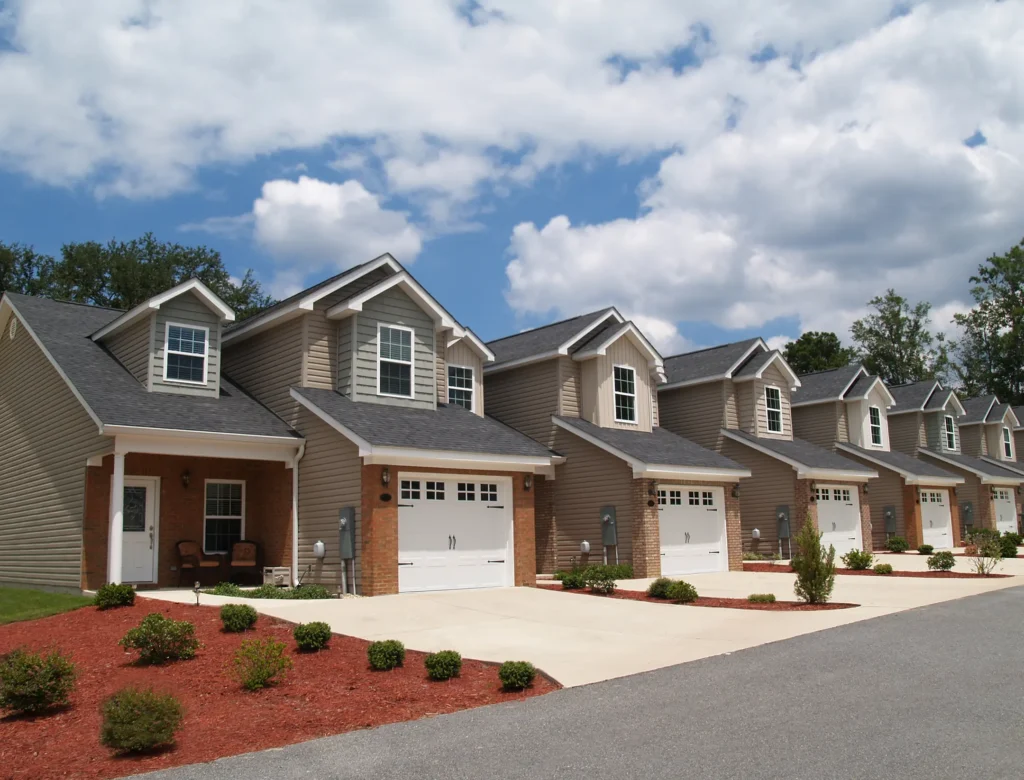
A sloped roof is any roof with enough angle to actively shed water and snow off the surface. The angle, called the pitch, is what separates a sloped roof from a flat or low-slope roof.
How Is Roof Pitch Measured?
Roof pitch is measured by how many inches the roof rises for every 12 inches it runs horizontally. So a 6:12 pitch rises 6 inches over a 12-inch run, which is a moderate slope you’ll see on a lot of suburban homes. A 12:12 pitch is a steep 45-degree angle common on older or more traditional homes, while a 2:12 pitch is a very gentle slope sometimes seen on porches or modern designs. Most residential sloped roofs fall somewhere between 4:12 and 9:12.
- Low slope: Pitches from 2:12 to 4:12, gentle and modern looking.
- Moderate slope: Pitches from 4:12 to 9:12, the most common range for homes.
- Steep slope: Pitches over 9:12, classic for Victorian, Tudor, and snowy-climate homes.
- Material rules: Some materials require a minimum pitch, like 2:12 for asphalt shingles.
How Is a Sloped Roof Different From a Flat Roof?
A sloped roof has enough angle to let water and snow run off naturally, while a flat roof relies on drains and scuppers to move water away. Sloped roofs are the standard for homes because they handle weather better, last longer, and give homeowners attic space for ventilation and insulation. Flat roofs are more common on commercial buildings, where they’re easier to walk on and provide space for HVAC equipment.
- Drainage: Sloped roofs drain naturally; flat roofs need engineered drainage.
- Lifespan: Sloped roofs typically last longer because water doesn’t pool on them.
- Attic space: Sloped roofs create attic space for storage, insulation, and ventilation.
- Look and style: Sloped roofs offer more design flexibility for residential homes.
6 Common Types of Sloped Roofs
There are several types of sloped roofs, and the best one for your home depends on style, climate, and how the home is laid out. Here are the six most common types you’ll see on homes today.
1. What Is a Gable Roof?
A gable roof is the classic triangle shape you probably drew as a kid, with two slopes meeting at a peak in the middle. It’s the most common style on American homes because it’s simple to build, sheds water and snow well, and gives you a big, open attic space underneath. Gable roofs work great with just about every home style and any roofing material. The one downside is that they don’t handle high winds as well as some other styles because the flat gable end walls catch the wind.
- Shape: Two sloped sides forming a triangle.
- Best for: Most climates and most home styles.
- Strengths: Simple, affordable, great drainage, lots of attic space.
- Watch out for: High wind areas may need extra bracing on the gable ends.
2. What Is a Hip Roof?
A hip roof has slopes on all four sides that come together at a peak or a short ridge in the middle. Because there are no flat vertical walls at the top, hip roofs handle high winds much better than gable roofs, which makes them popular in hurricane and storm-prone areas. They look polished and sophisticated, but they cost a bit more to build because the framing is more complicated and you end up with less attic space.
- Shape: Four sloped sides meeting at a peak or short ridge.
- Best for: Windy areas, coastal regions, and homeowners who want a refined look.
- Strengths: Strong wind resistance, stable structure, clean appearance.
- Watch out for: Higher cost than gable, less attic space, more complex framing.
3. What Is a Mansard Roof?
A mansard roof has four sides, each with two slopes, where the lower slope is very steep and the upper slope is much shallower. This style was made famous in 19th-century French architecture and gives the home a tall, formal look. The steep lower slope creates extra living space inside, which is why you’ll often see mansard roofs on homes with full third-story rooms. They cost more to build and need careful waterproofing where the two slopes meet.
- Shape: Four sides with a steep lower slope and a gentle upper slope.
- Best for: Traditional, European-inspired homes that want extra interior space.
- Strengths: Adds a full extra floor of usable space, distinctive look.
- Watch out for: Higher cost and trickier flashing at the slope transition.
4. What Is a Gambrel Roof?
A gambrel roof is the classic barn shape, with two slopes on each side where the lower slope is much steeper than the upper slope. It looks similar to a mansard but only has two sides instead of four. Gambrel roofs are popular on Dutch Colonial homes and farmhouses because they create a lot of usable attic space. Like the mansard, they need careful waterproofing at the slope transition and may not handle heavy snow as well as a steeper roof.
- Shape: Two sides, each with a steep lower slope and a gentle upper slope.
- Best for: Dutch Colonial, farmhouse, and barn-style homes.
- Strengths: Lots of usable attic space, country-style charm.
- Watch out for: Snow load on the gentler upper slope, careful flashing required.
5. What Is a Shed Roof?
A shed roof has a single slope that runs from one side of the home to the other. It’s the simplest roof shape there is, and it’s having a moment in modern and contemporary architecture because it gives homes a clean, distinctive look. Shed roofs are also common on additions, porches, sheds, and garages because they’re easy and affordable to build. They drain well, but they create a tall wall on the high side that needs careful framing.
- Shape: A single slope running across the home.
- Best for: Modern homes, additions, porches, and outbuildings.
- Strengths: Simple and affordable to build, drains well, modern look.
- Watch out for: Tall wall on the high side, less attic space than other styles.
6. What Is a Cross Gable or Combination Roof?
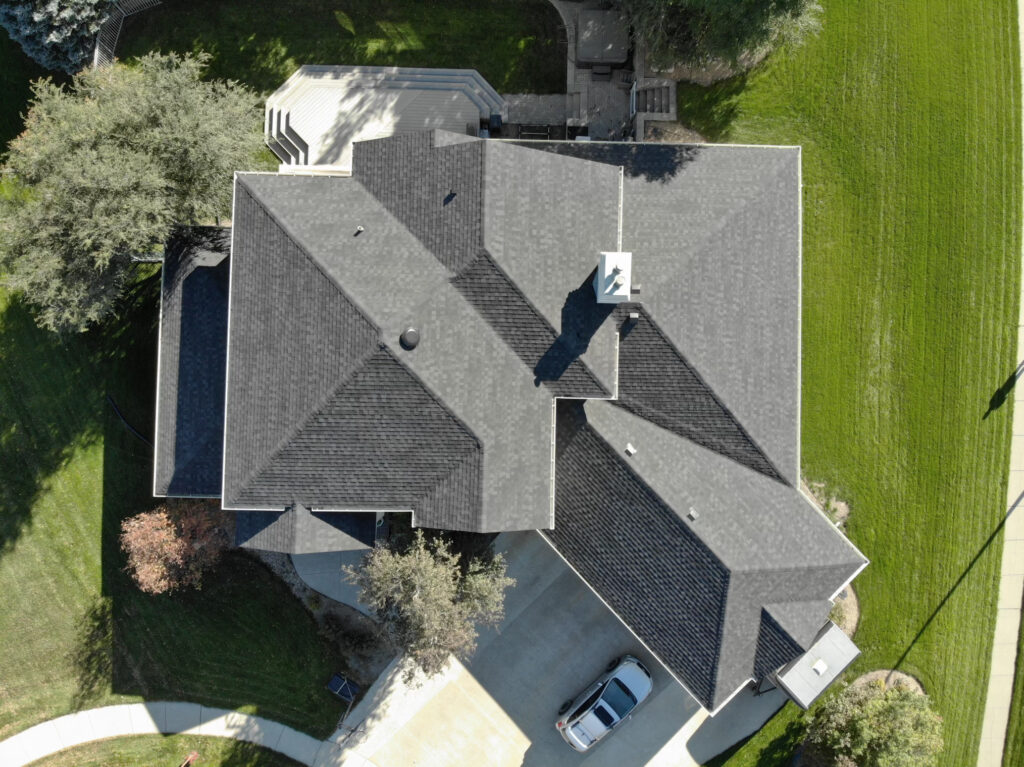
A cross gable roof combines two or more gable roofs that run in different directions, which is how most larger homes are designed. This style gives you all the benefits of a gable roof while letting you have a more interesting floor plan with multiple wings, dormers, or porches. The trade-off is more valleys (where two roof slopes meet) and more flashing details, which means more places where leaks can develop if the work isn’t done well.
- Shape: Multiple gable roofs meeting at right angles or different orientations.
- Best for: Larger homes with multiple wings, dormers, or complex layouts.
- Strengths: Design flexibility, fits complex floor plans, attractive look.
- Watch out for: More valleys means more places that need expert flashing work.
What Are the Benefits of a Sloped Roof?
Sloped roofs offer real advantages over flat roofs for homes, especially when it comes to handling weather, lasting longer, and giving you a comfortable attic space. Here’s a closer look at the biggest benefits.
Why Are Sloped Roofs Better at Shedding Water and Snow?
Sloped roofs shed water and snow naturally because gravity pulls everything toward the gutters and off the house. That keeps water from sitting on the surface, which is the biggest reason roofs leak in the first place. In areas with heavy snow, a steeper pitch helps prevent snow buildup and ice dams, which can be a major source of damage on shallower roofs. The faster water moves off your roof, the less stress it puts on the materials.
- Fast drainage: Water rolls off and into gutters within seconds.
- Less ponding: Water never sits on the surface where it can soak in.
- Snow shedding: Steeper slopes help snow slide off before it builds up.
- Less ice damming: Cold roof decks and good drainage reduce ice dam risk.
How Does a Sloped Roof Help With Ventilation and Energy Use?
A sloped roof creates an attic space that allows air to flow between the roof deck and your living space. That airflow keeps the attic cooler in summer and helps prevent moisture buildup in winter, both of which protect your roof and lower your energy bills. Proper ventilation is one of the biggest factors in how long your roof actually lasts.
- Cooler attic in summer: Less heat builds up, which lowers cooling costs.
- Drier attic in winter: Air flow keeps moisture from condensing on the roof deck.
- Longer roof life: Shingles and roof framing last longer when temperatures are stable.
- Lower energy bills: Most homes save 10 to 15 percent on cooling with proper attic airflow.
What Are the Style and Resale Benefits?
Sloped roofs give homes character and curb appeal that flat roofs just can’t match in most neighborhoods. They also tend to be the style buyers expect, which makes them a safer choice when it comes to resale value. From classic gable to modern shed, there’s a sloped roof style for almost every architectural look you can imagine, and the right roof can dramatically change how a home feels from the curb.
- Curb appeal: Sloped roofs look traditional, familiar, and well-built.
- Many styles: From classic to modern, there’s a shape for every home.
- Resale value: Buyers in most markets expect a sloped roof on a home.
- Architectural flexibility: Dormers, gables, and porches all integrate easily.
What Design Factors Should You Consider?
Choosing the right sloped roof for your home involves more than just picking a style you like. The right roof balances climate, materials, budget, and the overall design of your home.
How Does Climate Affect the Right Roof Choice?
Climate is one of the biggest factors in how steep your roof should be and what material works best on it. Areas with heavy snow benefit from steeper pitches that shed snow naturally, while areas with high winds may favor hip roofs over gables. Hot, sunny climates benefit from reflective roof colors and good attic airflow to keep cooling costs down. Coastal areas need materials that handle salt air well, like aluminum or coated steel.
- Snowy climates: Steeper pitches (6:12 or more) help shed snow quickly.
- High wind: Hip roofs handle wind better than gable roofs.
- Hot and sunny: Light colors and good ventilation lower cooling bills.
- Coastal areas: Choose corrosion-resistant materials like aluminum.
For a full breakdown of hip vs. gable roofs, see our hip roof vs gable roof guide.
What Materials Work Best on Sloped Roofs?
Sloped roofs work with just about every roofing material, but some are better suited to certain pitches and styles. Asphalt shingles are the most common choice on moderate-pitch homes because they’re affordable, durable, and easy to install. Metal roofs work well on almost any pitch and last 50 years or more. Tile and slate are heavier but beautiful, and they work best on steeper roofs with strong structural support.
- Asphalt shingles: Most common, affordable, last 20 to 30 years.
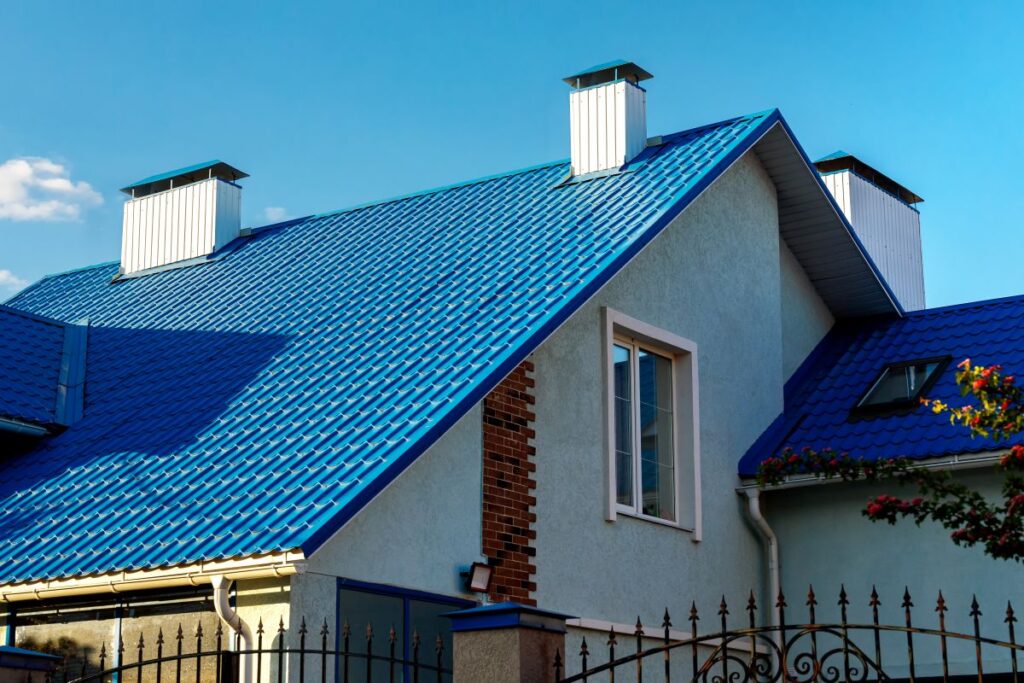
- Metal: Long-lasting, low-maintenance, great for almost any pitch.
- Tile or slate: Premium look and lifespan, needs stronger framing.
- Wood shake: Classic look, more maintenance, fire-rating concerns in some areas.
Why Does Proper Drainage and Flashing Matter So Much?
Even on a sloped roof, water still has to be guided away from valleys, vents, chimneys, and skylights. Flashing is the metal that seals those tricky transitions, and gutters carry the water away from the house. Good drainage and flashing protect the entire roof system, while poor work in these areas is the leading cause of leaks regardless of how new the roof is.
- Valleys: Where two slopes meet, flashing has to be done right.
- Penetrations: Vents, chimneys, and skylights all need careful sealing.
- Gutters: Properly sized and properly attached gutters protect the foundation.
- Downspouts: Direct water at least four feet away from the foundation.
Frequently Asked Questions
What Is the Best Pitch for a Sloped Roof?
The best pitch depends on your climate, your home style, and the material you want to use. Moderate pitches between 4:12 and 9:12 are the sweet spot for most homes because they shed water well, work with most materials, and offer a classic look. Steeper pitches are better for heavy snow areas, while gentler pitches work for modern designs.
How Long Does a Sloped Roof Last?
A sloped roof can last anywhere from 20 to 70 years depending on the material. Asphalt shingles typically last 20 to 30 years, metal roofs last 50 to 70 years, and slate and tile can last over 100 years with the right maintenance. Good ventilation and regular inspections make a big difference in how long any roof actually lasts.
Are Sloped Roofs More Expensive Than Flat Roofs?
Sloped roofs usually cost a bit more upfront because they require more material and more complicated framing. But they tend to last longer, need less maintenance, and handle weather better, which often makes them cheaper to own over the long run. For most homes, a sloped roof is the smarter long-term value.
Can I Change My Roof From One Style to Another?
Yes, but it’s a major undertaking. Changing roof styles usually means new framing, new sheathing, and a fresh design that has to be approved by your local building department. It’s most cost-effective to make the change during a full replacement rather than as a stand-alone job.
Do Sloped Roofs Always Need an Attic?
Most sloped roofs create some attic space, but the size depends on the pitch and the framing style. Steeper roofs create more attic room, while modern shed roofs and very low slopes might leave only a few inches of space between the ceiling and the roof deck. Some sloped roofs are designed without traditional attics by sealing and insulating the underside of the roof itself.
How Often Should a Sloped Roof Be Inspected?
A sloped roof should be inspected twice a year, usually once in the spring and once in the fall, plus another inspection after any major storm. Regular inspections catch small problems early before they turn into expensive repairs, and they often help keep your roofing warranty valid.
Why 5 Star Roofing and Contracting Is the Right Choice for Your Sloped Roof
Choosing the right sloped roof is a big decision that affects how your home looks, performs, and holds its value for decades, and the contractor you pick has a huge impact on the final result. 5 Star Roofing and Contracting brings the experience and care every homeowner deserves, with credentials including IKO ShieldPRO Certified Contractor status, HomeAdvisor Top Rated recognition, full licensing, and 24/7 emergency repair availability. Our team walks you through every style, material, and design decision in plain language so you understand exactly what you’re getting and why. Reach out to 5 Star Roofing and Contracting today for a free, no-pressure quote on your sloped roof and get clear, honest guidance from a team that puts your home first.


