

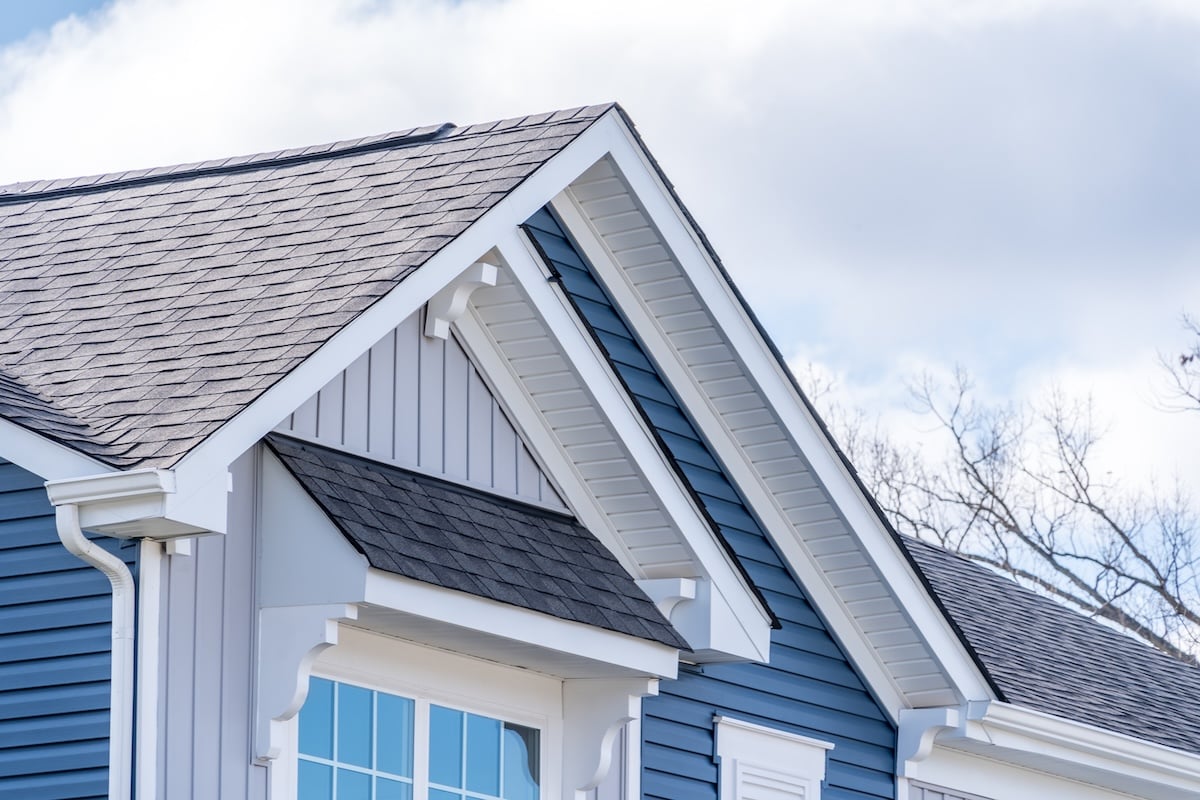
What Is Fascia on a House and Why It’s Important?
Many homeowners wonder what is fascia on a house and why it matters so much for the roof’s structure and appearance. Though it may not get as much attention as shingles or gutters, fascia plays a key role in protecting your roof and supporting the entire drainage system. For residents in Fargo and surrounding areas, understanding fascia is especially important because of the area’s mix of snow, rain, and wind throughout the year.
- Roof protection: Fascia shields the roof edge from moisture and pests.
- Support for gutters: It provides a strong mounting surface for gutter systems.
- Curb appeal: Clean, well-maintained fascia enhances your home’s visual appeal.
Let’s take a closer look at fascia, how it works, and why keeping it in good condition is vital to your home’s overall health.
Understanding What Fascia Does
To understand fascia’s importance, it helps to know where it’s located and how it functions as part of your roofing system.
The Role of Fascia Boards
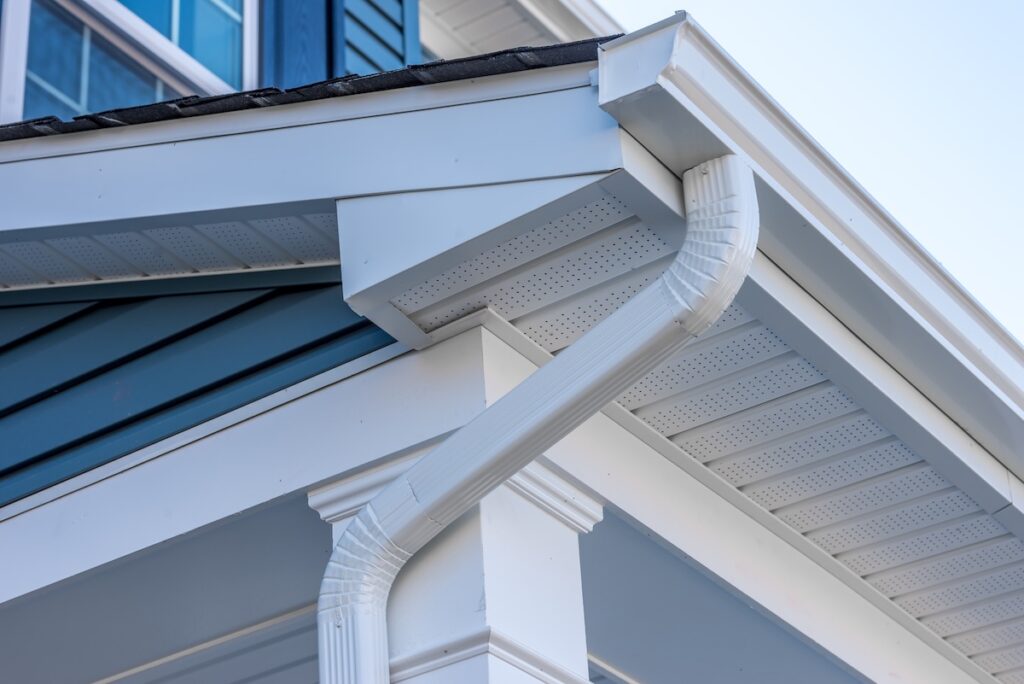
Fascia is the long, horizontal board that runs along the lower edge of your roof, directly beneath the roofline and behind the gutters. It closes off the space between the roof and the outer walls, giving your home a clean, finished look. More importantly, it serves as the first line of defense against water infiltration and pest entry.
Structural Support
Beyond aesthetics, fascia supports the bottom row of roof tiles or shingles and anchors your gutter system. Without strong fascia boards, gutters could sag, detach, or fail to channel water properly away from your home—something Fargo homeowners want to avoid during heavy rain or snowmelt. If you notice signs of pooling water or loose brackets, it is important to address these issues with a professional gutter repair to prevent moisture from rotting your fascia boards or damaging your foundation.
Types of Fascia Materials
Choosing the right fascia material affects both appearance and performance. Here are the most common types used on residential homes.
Wood Fascia
Wood has been a traditional choice for decades due to its natural beauty and easy customization. However, it requires regular maintenance to prevent rot and warping.
- Appearance: Offers a warm, natural finish.
- Maintenance: Needs regular painting or sealing.
- Cost: Affordable but may need frequent repairs in damp climates.
Aluminum Fascia
Aluminum fascia is lightweight, durable, and resistant to rust. It’s often used as a protective covering over wood fascia boards to extend their life.
- Weather resistance: Performs well against moisture and UV rays.
- Low maintenance: Requires minimal upkeep.
- Versatility: Available in a wide range of colors and finishes.
Vinyl or PVC Fascia
Vinyl fascia offers a long-lasting, low-maintenance alternative that resists rot, peeling, and fading. It’s a popular choice for modern homes in Fargo and surrounding areas.
- Durability: Withstands fluctuating temperatures and humidity.
- Ease of cleaning: Can be washed easily with soap and water.
- Color retention: Maintains its look for years without repainting.
Composite Fascia
Composite materials combine wood fibers and resins for a durable, eco-friendly option that mimics natural wood without the high maintenance.
- Longevity: Designed to resist rot, insects, and warping.
- Sustainability: Often made from recycled materials.
- Visual appeal: Provides a consistent, modern appearance.
5 Signs Your Fascia May Need Repair or Replacement
Over time, even durable fascia materials can deteriorate. Watching for warning signs helps you address issues early and avoid costly repairs.
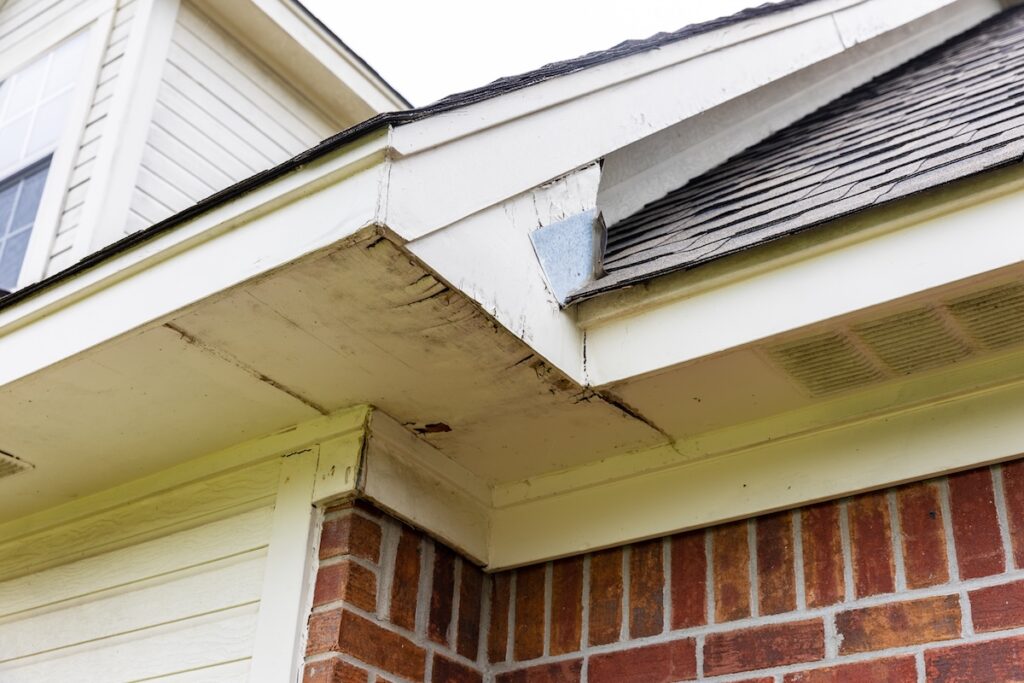
- Peeling paint or soft wood: Often indicates trapped moisture or decay.
- Sagging gutters: May signal weakened fascia boards that no longer provide adequate support.
- Water damage on soffits or walls: Suggests poor drainage or leaking gutters.
- Visible cracks or rot: Compromises the fascia’s ability to protect your roofline.
- Animal or insect damage: Birds, squirrels, or wasps may nest in decaying fascia boards.
If you notice these problems, it’s best to call a professional roofing contractor in West Fargo to inspect the extent of the damage and recommend a repair or replacement plan.
How Fascia Protects Your Home
Fascia may seem like a small detail at first glance, but it plays a crucial role in the overall stability, functionality, and longevity of your roofing system. Acting as both a finishing touch and a structural barrier, fascia serves multiple protective functions that keep your home safe, dry, and looking its best year-round.
Prevents Water Intrusion
Properly installed fascia ensures water flows into your gutters instead of seeping behind your roofline. In climates like Fargo’s—where heavy snow and ice are common—this protection prevents leaks and ice dams that could lead to serious damage.
Keeps Pests Out
Fascia closes off access points under your roof edge, blocking insects, birds, and rodents from entering your attic or soffit spaces.
Maintains Roof Ventilation
When paired with soffits, fascia helps promote airflow through the attic. Good ventilation reduces moisture buildup and prevents mold growth during humid summer months.
Supports Gutter Systems
Fascia boards hold your gutters in place, ensuring they stay secure even during storms. Weak fascia can cause gutters to pull away from the roof, leading to improper drainage and potential foundation issues.
Maintenance Tips to Extend Fascia Life
Proper maintenance keeps your fascia strong and attractive for years.
- Regular Inspections: Schedule a professional inspection for your fascia at least twice a year, especially after heavy storms. Look for signs of rot, cracks, or peeling paint that may require attention.
- Keep Gutters Clean: Clogged gutters can overflow, allowing water to back up and soak the fascia boards. Cleaning your gutters in spring and fall prevents this common problem for homes in Fargo and surrounding areas.
- Apply Protective Coatings: If you have wood fascia, apply a weather-resistant sealant or paint every few years to protect it from moisture and UV damage.
- Replace Damaged Sections Quickly: Delaying repairs can lead to more serious structural damage. Replacing small sections of damaged fascia early saves time and money in the long run.
Choosing the Right Fascia for Your Home
When updating or replacing fascia, it’s important to match materials and colors to your home’s design and local weather conditions.
- Match to Existing Trim: Your fascia should coordinate with soffits, trim, and gutters for a seamless, cohesive appearance. Many homeowners in Fargo choose white, beige, or gray fascia to complement their siding and roofing colors.
- Consider Long-Term Maintenance: If you prefer minimal upkeep, vinyl or aluminum fascia may be ideal. Those who love a classic wood look can choose treated or composite materials for added durability.
- Hire a Professional Installer: Improper installation can cause alignment issues or leaks. Working with a certified contractor like 5 Star Roofing and Contracting ensures your fascia is securely installed and sealed against the elements.
Selecting the right fascia is a vital step in finalizing your home’s exterior aesthetic. To ensure your trim, siding, and roofing all work together, it is helpful to look at successful house and roof color combinations that can guide your choice. By coordinating these elements effectively, you’ll create a polished look that stands out in your North Dakota neighborhood while providing lasting protection.
How Fascia and Soffits Work Together
Fascia and soffits are often mentioned together because they form a protective edge under your roof. While fascia covers the roofline’s outer edge, soffits close the underside area between the fascia and the wall. Together, they improve ventilation, prevent moisture buildup, and give your roof a finished look.
In Fargo’s climate, this partnership is essential—soffits allow air to circulate, reducing condensation, while fascia keeps that airflow area protected from water intrusion.
The Importance of Professional Installation and Repair
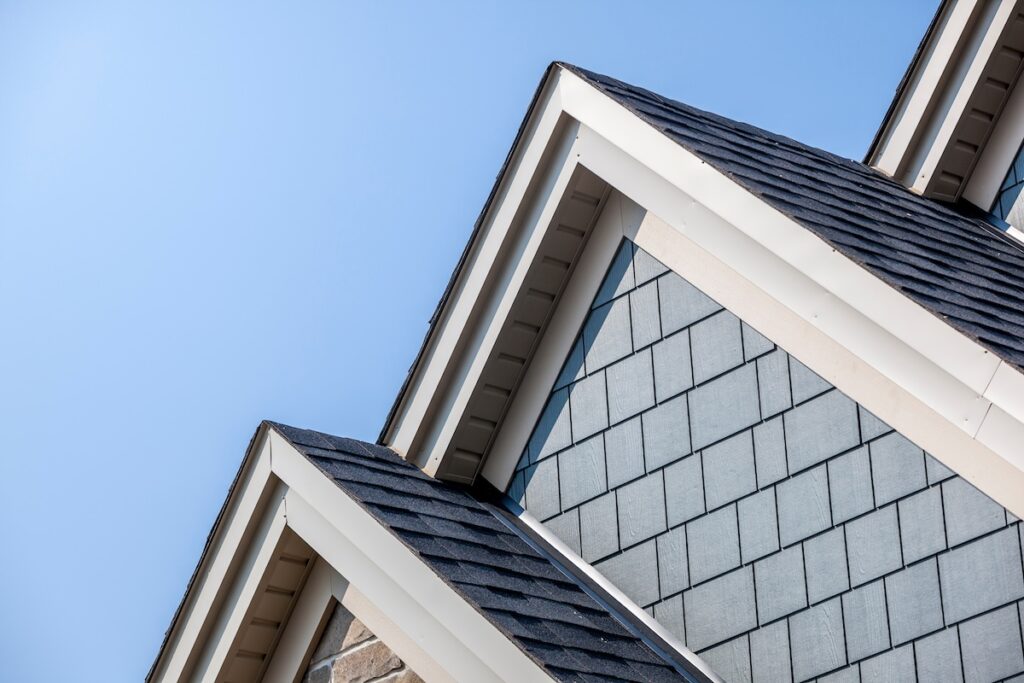
Fascia installation may seem straightforward, but it requires precision. Professionals ensure the boards are properly aligned, securely attached, and fully sealed. They also inspect nearby components like soffits, gutters, and flashing to confirm everything works together efficiently.
At 5 Star Roofing and Contracting, our experts understand how local weather impacts roofing materials. We use high-quality products and proven installation techniques that help your fascia last longer, look better, and perform reliably.
Protect Your Roofline With 5 Star Roofing and Contracting
Now that you know what is fascia on a house and why it’s important, you can see how crucial it is to your home’s health, structure, and beauty. From supporting gutters to keeping moisture and pests out, fascia quietly does some of the most important work on your roof.
Homeowners in Fargo and surrounding areas trust 5 Star Roofing and Contracting for expert fascia repair, replacement, and installation. Our certified team delivers quality workmanship and reliable service tailored to North Dakota’s climate. Contact 5 Star Roofing and Contracting today for a free inspection and keep your roofline looking strong and secure year-round.


