


Commercial Roof Inspection: What to Expect From Your Contractor
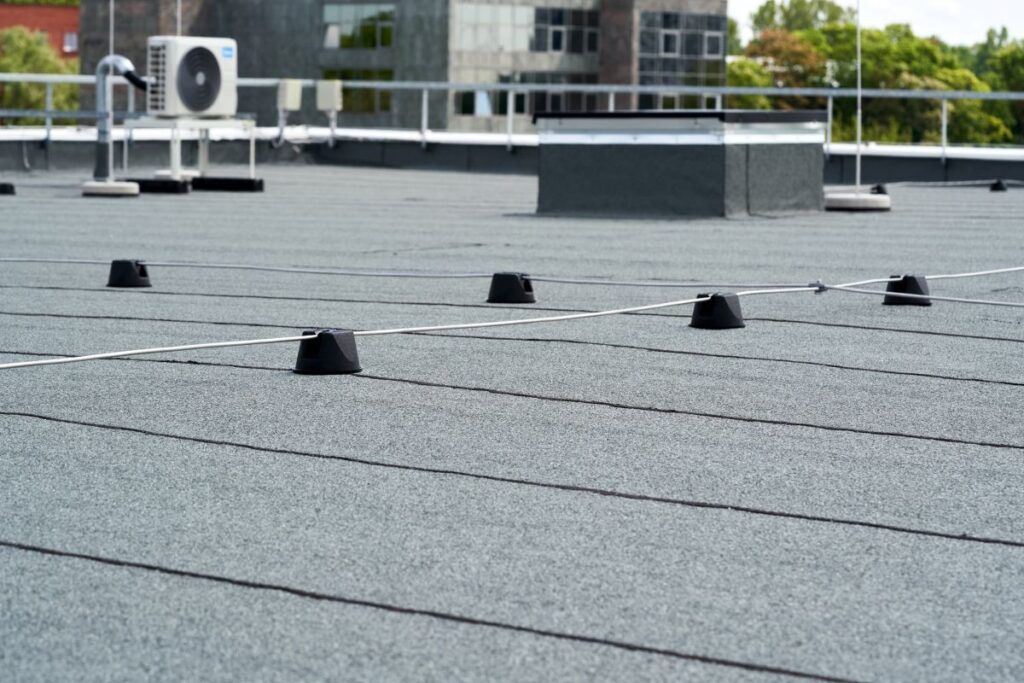
A professional commercial roof inspection is one of the smartest, lowest-cost investments a property owner or facility manager can make in their building. A good inspection covers far more than a quick walk on the roof, including drainage, flashing, rooftop equipment, the inside of the building, and a written report with photos you can use for budgeting, warranty claims, or insurance. Knowing what to expect helps you choose the right contractor, plan around the visit, and feel confident the roof over your business is getting the attention it needs.
- What it covers: A full inspection checks the roof surface, drainage, flashing, penetrations, and the inside of the building.
- How often: Most commercial roofs should be inspected twice a year, plus after major storms.
- What you get: A written report with photos, clear recommendations, and pricing for any repairs.
Why Do Commercial Roofs Need Regular Inspections?
Commercial roofs work harder than residential roofs and tend to hide problems longer, which makes regular commercial roof inspections essential for extending the roof’s life and longevity, ensuring the roof remains in optimal condition, and supporting uninterrupted business operations. A small, low-cost inspection schedule keeps your roof in good shape, helps you plan for repairs, and stops minor issues from turning into major business interruptions, ultimately contributing to an extended roof lifespan.
What Happens If You Skip Inspections?
Skipping inspections is the most common reason commercial roofs fail decades before they should. A small leak that goes unnoticed for one season can soak hundreds of square feet of insulation, ruin ceiling tiles, damage tenant property, and trigger expensive emergency repairs. Neglecting these issues can lead to further damage, resulting in costly repairs and even major repairs. Most commercial roofs are designed to last 20 to 30 years, but neglected roofs often need replacement at 12 to 15. Inspections are a small expense that protect a much bigger asset.
- Hidden damage spreads: Water moves sideways through insulation and shows up far from the leak.
- Interior damage adds up: Ceiling tiles, lighting, electrical, and tenant property all get hit.
- Warranty risk: Most warranties require regular inspections to stay in force.
- Tenant trust: Leaks during business hours damage your reputation as a landlord.
- Early detection: Regular inspections enable early detection of issues, helping prevent further damage, costly repairs, and major repairs.
How Often Should a Commercial Roof Be Inspected?
Conducting routine and periodic inspections is essential for maintaining the integrity and longevity of your commercial roof. These inspections should be part of an ongoing maintenance plan to ensure early detection of issues, compliance with regulations, and prevention of costly repairs.
Commercial roof inspections typically fall into five main categories: pre-roof inspections, routine inspections, post-construction inspections, emergency inspections, and periodic inspections during installation.
Most commercial roofs should be inspected at least twice a year, usually in the spring and fall, plus another time after any major storm. Routine inspections are especially important and should be conducted biannually, while older roofs or those in harsh environments may require more frequent checks to catch potential issues early. Spring inspections catch winter damage from snow, ice, and freeze-thaw cycles. Fall inspections clear out summer debris and get the roof ready for winter weather. After hail, high winds, or heavy rain, an extra inspection helps you document any damage right away and start the repair process before it gets worse.
- Spring: Conduct inspections for winter wear and tear and ice-related damage.
- Fall: Conduct inspections to clear debris and prepare the roof for snow and freezing temperatures.
- After storms: Conduct inspections after hail, high winds, or heavy rain or snow.
- Older roofs: For older roofs or those in harsh environments, conduct routine inspections quarterly or more frequently.
What Does a Commercial Roof Inspection Actually Cover?
A thorough commercial roof inspection covers everything from the ground up to the rooftop equipment, plus a careful look inside the building. A good contractor works through a checklist, takes photos of any concerns, and gives you a written report you can keep on file.
What Gets Inspected on the Roof Surface?
The contractor walks every part of the roof and looks closely at the membrane, the seams, the drains, and anything that punctures the roof surface. Flat and low-slope roofs have hundreds of small details that can fail, and a good inspector knows where to look. They check for blistering, splits, ponding water, worn coatings, separated seams, and any spots where someone might have damaged the membrane while working on rooftop equipment.
- Roof surface: Looking for blisters, cracks, splits, and worn or aging spots.
- Seams: Checking the joints between membrane sections for separation or lifting.
- Ponding water: Standing water 48 hours after rain is a sign of a drainage problem.
- Foot traffic damage: Looking for punctures or wear near HVAC units and access points.
What About Drainage Systems and Flashing?
Drainage is one of the most important parts of any commercial roof, and clogged drains are a top cause of premature roof failure. A good contractor checks every drain, scupper, and gutter to make sure water is flowing where it should. They also look closely at flashing, which is the metal or membrane that seals all the edges, corners, and anywhere something sticks up through the roof. Failed flashing is one of the most common sources of leaks.
- Drains and scuppers: Making sure they’re clear and properly seated.
- Gutters and downspouts: Checking flow, attachment, and water marks.
- Flashing: Inspecting seals around walls, edges, and rooftop equipment.
- Edge metal: Looking for loose, bent, or missing pieces along the perimeter.
What About Rooftop Equipment?
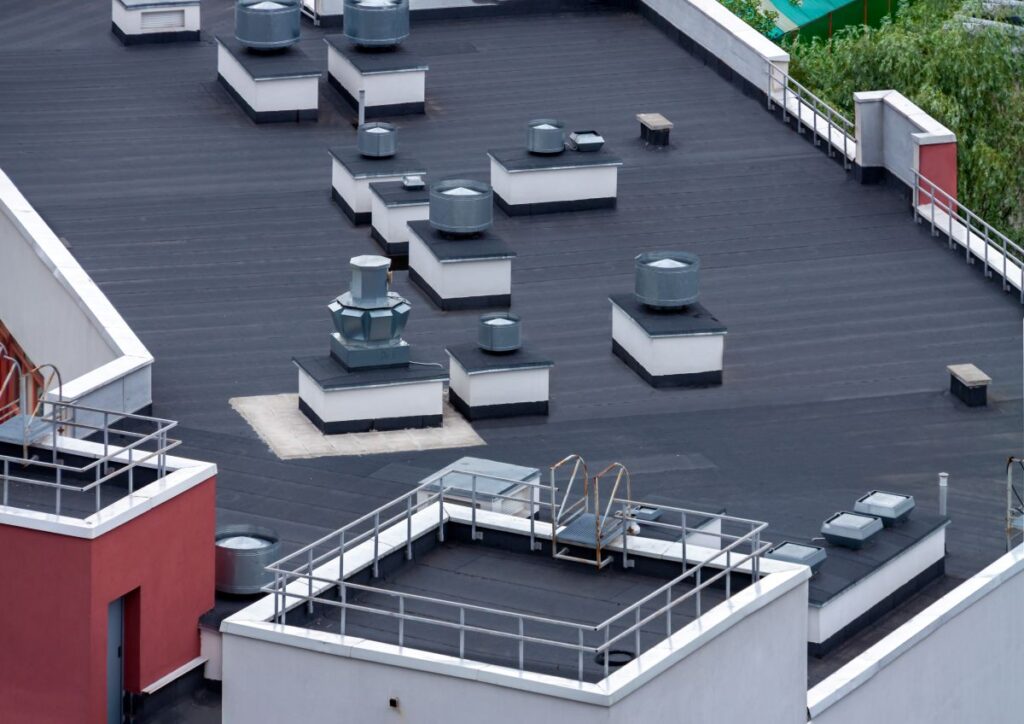
Most commercial roofs have HVAC units, exhaust fans, satellite dishes, antennas, vents, skylights, and sometimes solar panels. These features are known as roof penetrations, and each is a potential leak point because they must be properly sealed to the roof. During a commercial roof inspection, the inspector checks the seals around every piece of equipment, including roof penetrations such as vents and skylights, to identify potential sources of leaks and structural issues. Proper ventilation is also checked to ensure roof integrity and prevent water intrusion. The inspector looks for signs that someone has been walking on the membrane without protection and notes anything that needs attention from the equipment’s own service provider.
- HVAC units: Checking the curbs, seals, and any condensate drainage.
- Vents and pipes: Making sure the seals around them are still intact and that proper ventilation is maintained.
- Solar panels: Looking at mounting points and any wiring penetrations.
- Walk pads: Confirming they’re in place along service routes.
What About the Inside of the Building?
A skipped interior check is one of the most common reasons leaks and structural issues get missed. The contractor walks the top floor of the building and looks for water stains, bubbling paint, sagging ceiling tiles, and any other signs that water intrusion has caused structural damage. In buildings with accessible attic spaces or above-ceiling areas, they check the underside of the roof deck for staining, daylight, or evidence of structural issues. Catching a slow leak early is one of the biggest wins from a thorough inspection. Emergency inspections are also conducted when moisture is detected inside the building, allowing for quick diagnosis and mitigation of leaks.
- Ceiling tiles: Looking for water stains, sagging, or recent replacements.
- Walls: Checking for stains or bubbling paint near exterior walls.
- Underside of the deck: Looking up at the roof structure for stains, daylight, or signs of structural damage.
- Tenant feedback: Asking employees about any drips or stains they’ve noticed.
7 Things to Expect From a Good Commercial Roof Inspection
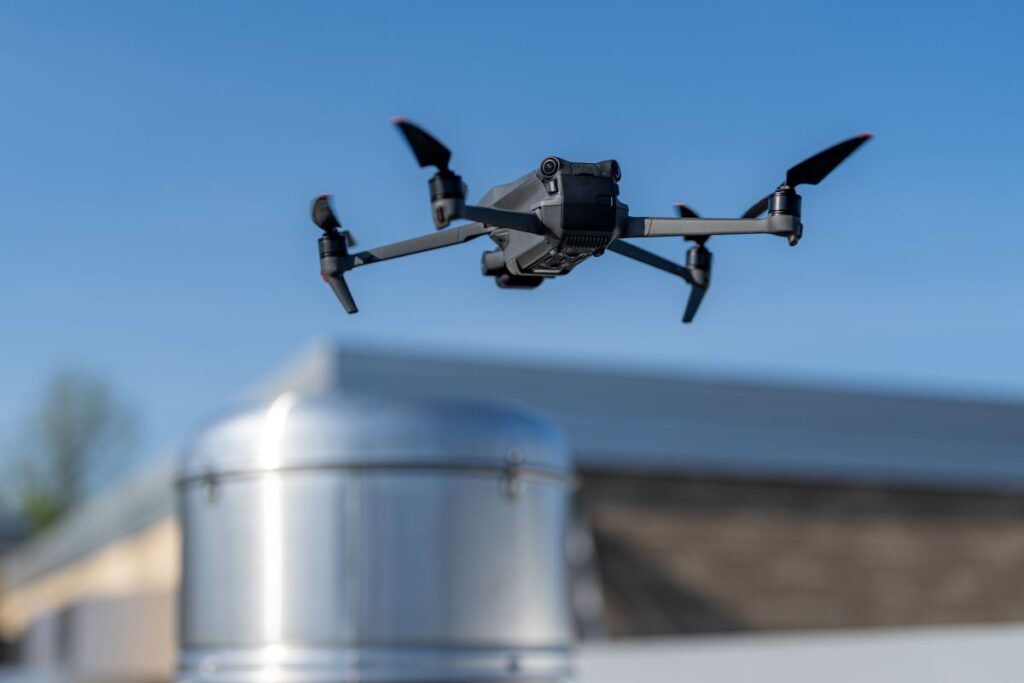
Knowing what a good inspection looks like helps you choose the right contractor and feel confident the work was done thoroughly. Here are seven things every quality commercial inspection should include.
1. A Contractor Who Schedules Around Your Operations
Commercial buildings can’t shut down for a roof inspection, so a good contractor works around your schedule, not the other way around. They’ll ask about your business hours, tenant access, parking needs, and any rooftop equipment that’s running. Most inspections happen during normal business hours with minimal disruption, but flexible scheduling matters for retail, restaurants, healthcare, and other businesses with specific access concerns.
- Schedule check: Asks about business hours, peak times, and tenant access.
- Quiet work: Most of the inspection is silent and won’t disturb tenants.
- Parking and access: Coordinates ladder placement and rooftop access ahead of time.
- After-hours option: Available for buildings that need it.
2. Proper Safety Gear and Insurance
A good commercial inspector shows up with proper safety equipment and current insurance. That includes liability insurance, workers’ comp coverage, and the fall protection gear required for rooftop work. You should be able to ask for proof of insurance before any work starts, and a reputable contractor will share it without hesitation. Skipping safety is a big red flag and a sign to find someone else.
- Liability insurance: Protects you if anything goes wrong during the inspection.
- Workers’ comp: Required so you’re not on the hook if a worker gets hurt.
- Fall protection: Harnesses, anchors, and other gear for working at heights.
- Trained crew: Inspectors familiar with your specific type of roof.
3. A Walk Around the Outside of the Building First
Before climbing up, a good contractor walks the perimeter of the building and looks at the roof from the ground. From below they can spot sagging, water marks on exterior walls, damaged gutters, and any obvious problems with the parapet or edge details. This ground-level walk often catches issues that are harder to see from above.
- Parapet walls: Looking for cracking, bowing, or water damage.
- Exterior walls: Checking for stains or efflorescence that suggest water issues.
- Gutters and downspouts: Inspecting attachment and condition from the ground.
- Drainage at grade: Making sure water leaves the building properly.
4. A Detailed On-Roof Inspection
The on-roof portion is where most of the inspection happens. The contractor walks every section of the roof, checks every penetration, and pays extra attention to the areas where leaks usually start. That means valleys, drains, the base of equipment curbs, parapet flashing, and anywhere two roof planes meet. Photos are taken throughout so you have a visual record of everything they found.
- Every roof section: Each area walked and checked carefully.
- High-risk spots: Drains, curbs, and flashing get extra attention.
- Photo documentation: Visual record of every finding.
- Moisture survey: Some inspections include moisture meters or infrared scanning.
5. An Interior Walk-Through
After the roof, the contractor heads inside to check the top floor of the building and any accessible attic or above-ceiling space. They look for water stains, sagging ceiling tiles, bubbling paint, and anything that hints at a slow leak. They may also ask your tenants or maintenance team if anyone has seen drips, spots, or musty smells in specific areas.
- Top-floor ceilings: Looking for water stains and bubbling paint.
- Tile inspection: Replaced or sagging tiles often mark old leak spots.
- Tenant interviews: Asking maintenance staff and tenants about any concerns.
- Underside of deck: Looking up at the roof structure where it’s accessible.
6. A Written Report With Photos and Recommendations
A good inspection always ends with a written report you can keep on file. The report should include detailed inspection findings, date-stamped photos, clear descriptions of every issue, and estimates for repair costs. These reports are essential for supporting warranty and insurance claims, as well as providing guidance for preventative maintenance. Reports without photos or specific recommendations aren’t very useful and don’t carry much weight if you ever need to use them for insurance claims, warranty work, or a building sale.
- Date-stamped photos: Visual proof of every finding for your records.
- Plain-language findings: Easy to understand without technical jargon.
- Ranked recommendations: Clear priorities so you know what to address first.
- Cost estimates: Honest pricing for any recommended repairs.
7. A Plain-Language Conversation About Next Steps
The last part of a good commercial inspection is a sit-down with you or your facility team to walk through the report in plain language. The contractor should explain what they found, what’s urgent, what can wait, and how to plan for any larger repairs. Based on a professional assessment, the contractor will discuss whether roof repair or a full replacement is needed, helping you make an informed, long-term decision. There should be no pressure to commit to work on the spot, and the contractor should be ready to answer any questions about budgeting, timing, or warranty coverage.
- Plain language: No jargon, just clear information you can act on.
- Priorities: What needs immediate attention versus what can be scheduled.
- Budget planning: Help thinking through repairs over multiple years if needed.
- No pressure: Time and space to make decisions on your own schedule.
What Does a Commercial Roof Inspection Cost?
A typical commercial roof inspection costs between $300 and $1,500, depending on the size of the building, the type of roof, and how detailed the inspection is. Investing in regular inspections leads to significant cost savings by reducing repair costs over time, as early detection of issues can prevent expensive repairs. Many contractors offer free inspections if you’re already considering repairs, restoration, or a maintenance agreement. Moisture meters, which cost between $100 and $300, are essential tools used during inspections to confirm water infiltration in suspect areas, helping to avoid unnecessary repair costs.
When Are Free Inspections a Good Choice?
Free inspections are common in commercial roofing and can be a great way to get a professional opinion without spending anything up front. The trade-off is that free inspections are usually offered by contractors hoping to win repair or replacement work, which can mean a slight bias toward recommending more work. As long as you understand that, free inspections work well, especially for storm damage, suspected leaks, or when you’re already thinking about repairs. For independent inspections with no repair plans, a paid inspection from a third party often makes more sense.
- Storm damage: Most reputable contractors offer free post-storm inspections.
- Suspected leaks: Free inspections work well when you already know something’s wrong.
- Maintenance agreements: Most include regular inspections at no extra cost.
- Independent third party: Paid inspections carry more weight in a sale or insurance dispute.
Frequently Asked Questions
How Long Does a Commercial Roof Inspection Take?
Most commercial roof inspections take one to four hours, depending on the size of the building and the complexity of the roof. Smaller, simpler roofs may take just an hour, while large industrial buildings with lots of rooftop equipment can take half a day. The written report usually arrives within one to three business days after the inspection.
Do I Need to Be Present During the Inspection?
You don’t have to be present for the on-roof portion of the inspection, but someone needs to provide access to the roof and any interior areas being checked. Most property managers schedule the inspection so they can be available for the final walkthrough, which is the most useful part to attend.
Will the Inspection Disrupt Tenants?
A good inspection causes very little disruption to tenants. Most of the work happens on the roof, and the interior portion is a quiet walk-through of common areas and ceiling spaces. The contractor will coordinate with you ahead of time on any tenant access needs.
What Documents Should I Get After the Inspection?
You should get a written report with date-stamped photos, a list of findings ranked by priority, and pricing for any recommended repairs. Keep these reports on file, along with previous inspection reports and maintenance records, to track your roof’s history and support warranty or insurance claims. Most contractors offer digital reports you can save and share easily.
Can I Inspect the Roof Myself?
Property managers can do basic visual checks from the ground or from any accessible interior areas, but actually walking the roof is best left to a trained professional. Fall risks, liability concerns, and the technical knowledge needed to spot real problems all make professional inspections the safer and more useful option.
How Do I Choose the Right Commercial Roofing Contractor?
Look for a fully licensed and insured contractor with experience managing the entire roofing project, from inspection to completion, and who ensures all work meets manufacturer specifications. Strong local references and clear, detailed reports are essential. Ask for proof of insurance, a sample inspection report, and references from other commercial clients. Avoid anyone who pressures you to sign for work immediately or who can’t provide written documentation.
Why 5 Star Roofing and Contracting Is the Right Choice for Your Commercial Roof Inspection
A commercial roof is a major asset, and the contractor inspecting it should treat it that way. 5 Star Roofing and Contracting brings the experience and care commercial property owners need, with credentials that include IKO ShieldPRO Certified Contractor status, HomeAdvisor Top Rated recognition, full licensing, and 24/7 emergency repair availability for when something needs immediate attention. Our team works around your schedule, communicates clearly with facility managers and tenants, and delivers detailed written reports with photos and plain-language recommendations after every visit. Reach out to 5 Star Roofing and Contracting today to schedule a free commercial roof inspection and get a clear, honest picture of where your roof stands.
