


Can You Put Solar Panels on a Metal Roof? 5 Things to Know
More homeowners are exploring solar power to lower energy bills and reduce their reliance on the grid. If you already have metal roofing or are considering it, you may be wondering, can you put solar panels on a metal roof? The short answer is yes, and the two often make an excellent team. Still, the type of metal, the mounting method, and your roof’s condition all shape how smoothly the project goes and how well a durable, long-lasting roof system supports your panels for decades.
Here’s a quick preview:
- Why metal roofs pair so well with solar
- Five key things to know before installation
- How northern weather affects a metal and solar setup
- How metal compares to shingles as a solar base
- Answers to common homeowner questions
Why Metal and Solar Make Such a Strong Pair
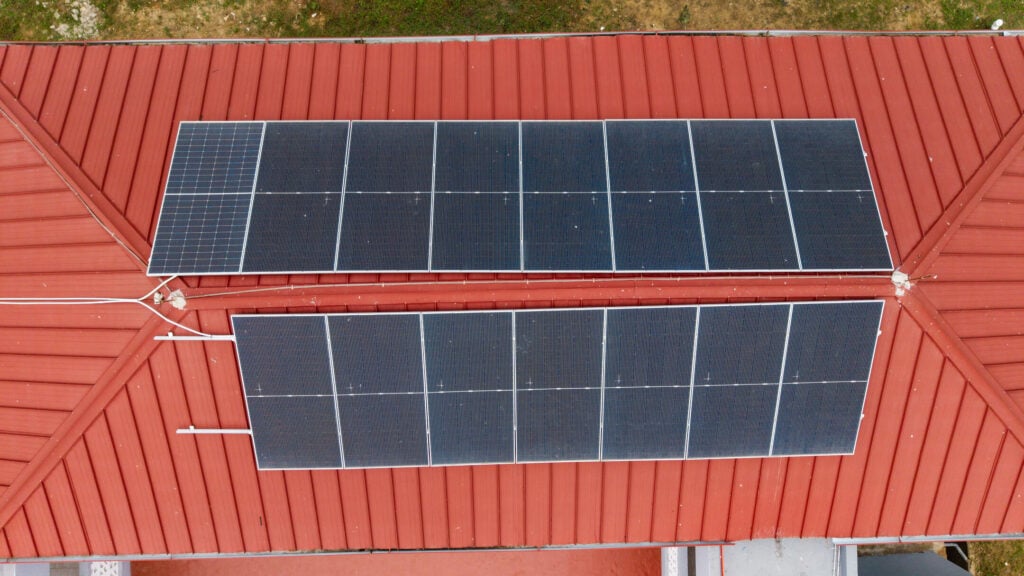
Adding solar panels is a long-term investment, so the roof underneath matters just as much as the panels themselves. A shingle roof may need replacing before your solar system reaches the end of its useful life, while a metal roof can last 40 to 70 years, which lines up well with the expected lifespan of most solar panels. Homeowners in Moorhead, MN and surrounding areas who pair the two can enjoy several advantages:
- One installation, not two: Because metal roofs last so long, you are far less likely to remove and reinstall panels for a roof replacement.
- Fewer leak points: Many metal roofs allow panels to attach without drilling through the roofing material.
- Added energy savings: Panels shade parts of the roof, which can help reduce heat gain during summer months.
- Durable protection: Metal stands up well to wind, hail, and heavy snow, giving your solar array a stable foundation.
When the roof and the panels are both built to last, you get more value from each investment. That said, a successful project still depends on a few important details.
5 Things to Know Before Installing Solar on a Metal Roof
Metal roofs are one of the most solar-friendly roof types available, but not every metal roof is the same. Keep these five points in mind as you plan your project.
1. Standing Seam Roofs Are the Easiest Match
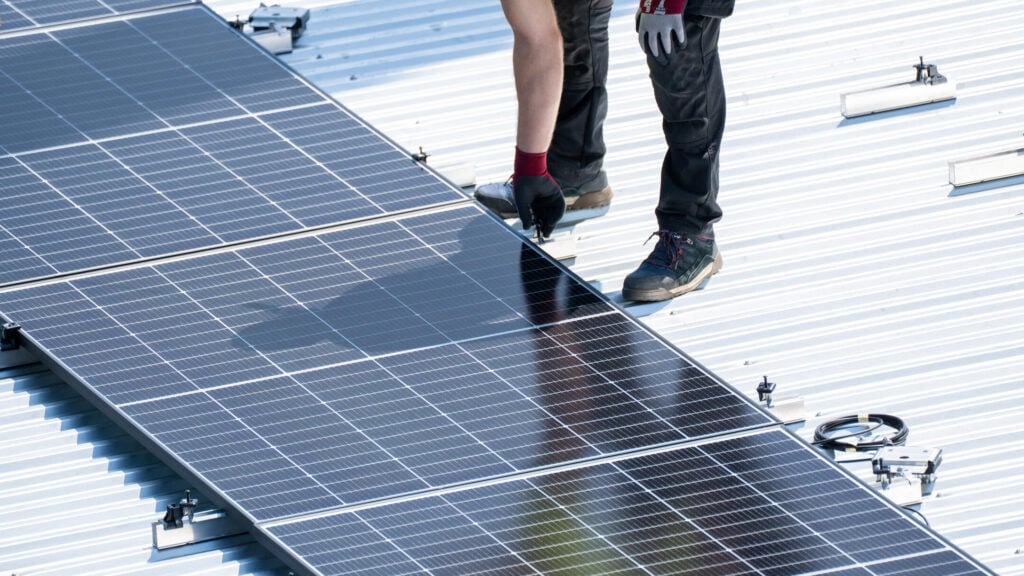
Standing seam metal roofs have raised vertical seams where panels lock together. Solar installers can attach specialized clamps directly to those seams, then mount the racking and panels to the clamps. Because the clamps grip the seam rather than piercing the metal, there is typically no need to drill holes in the roof surface.
- No penetrations through the roofing panels
- Lower risk of leaks around mounting points
- Faster installation in many cases
This is why standing seam roofing is often considered the gold standard for solar.
2. Other Metal Profiles Can Work Too
If you have a corrugated, exposed fastener, or metal shingle roof, solar is still possible. The mounting method simply changes. Exposed fastener roofs, for example, require screws that penetrate the roofing to secure the mounting hardware. Experienced installers use brackets with sealed gaskets and washers designed to keep those attachment points watertight, but proper installation is essential.
- Corrugated and exposed fastener roofs use sealed, penetrating brackets
- Metal shingle roofs use mounts designed for their interlocking profile
- Each attachment point should be flashed or sealed to manufacturer specifications
An installer familiar with your specific metal profile is the best way to avoid future leaks.
3. Your Roof Will Likely Outlast Your Panels
One of the biggest advantages of metal is longevity. With a well-maintained metal roof, there is a strong chance your roof will still be in great shape when it is time to upgrade or replace your solar panels. That avoids the cost and hassle of removing panels midway through their life to replace worn shingles underneath.
4. Roof Condition and Structure Matter
Solar panels add weight, and in our region the roof also has to handle heavy snow loads. Before installation, a professional should inspect your roof for loose fasteners, corrosion, damaged panels, and any structural concerns.
- Confirm the roof framing can support the added load
- Repair or replace damaged panels and fasteners first
- Consider replacing an aging roof before adding solar
Starting with a roof in excellent condition protects both your home and your solar investment.
5. Coordination and Warranties Are Key
Your roofing contractor and solar installer should communicate before any work begins. The wrong attachment method can create leak risks or affect your roof warranty, so ask how panels will be mounted and whether the approach is approved for your specific metal roof. Keeping both teams on the same page helps protect your warranties and prevents costly mistakes.
Each of these points plays a role in a smooth, worry-free installation. With the right planning, metal and solar can work together for decades with minimal maintenance.
Planning for Northern Weather
Upper Midwest winters bring heavy snow, ice, and strong winds, so a solar setup here needs a bit of extra planning. Homeowners in Moorhead, MN and surrounding areas should consider how seasonal weather affects both the roof and the panels.
- Snow sliding: Metal roofs and smooth glass panels both shed snow quickly, which can send large sheets of snow off the roof at once. Snow guards can help control sliding and protect walkways, gutters, and landscaping below.
- Snow load: The combined weight of panels and accumulated snow must be factored into your roof’s structural capacity.
- Wind exposure: Mounting hardware should be rated for local wind conditions to keep panels secure during storms.
- Hail resilience: Metal holds up well to hail, and most solar panels are tested for impact resistance, but post-storm inspections are still wise.
- Ice dams: Proper attic insulation and ventilation help prevent ice buildup along the eaves, even with panels above.
A system designed with these conditions in mind performs better and lasts longer. Talking through winter planning with your roofer before installation can save you headaches down the road.
Metal vs. Asphalt Shingles as a Solar Base
If you are deciding whether to replace your roof before going solar, it helps to see how the two most common roofing materials compare. Here is a side-by-side look at how metal and asphalt shingles stack up as a foundation for solar panels.
| Feature | Metal Roof | Asphalt Shingle Roof |
| Typical lifespan | 40 to 70 years | Roughly 15 to 30 years |
| Mounting method | Clamps on standing seam, sealed brackets on other profiles | Drilled mounts through shingles and decking |
| Roof penetrations | Often none on standing seam | Required at each mount |
| Snow shedding | Excellent | Moderate |
| Upfront roofing cost | Higher | Lower |
| Likelihood of removing panels for reroof | Low | Higher |
Asphalt shingles cost less upfront, but their shorter lifespan means you may need to remove and reinstall your solar array at least once during the system’s life. Metal requires a larger initial investment, yet many homeowners find that the long-term savings and peace of mind make it worth it, especially when solar is part of the plan.
Frequently Asked Questions About Putting Solar Panels on a Metal Roof
Homeowners considering solar often have the same handful of questions about metal roofing. Here are clear answers to help you move forward with confidence.
Will solar panels damage my metal roof?
Not when they are installed correctly. On standing seam roofs, clamps attach to the seams without piercing the metal. On other profiles, properly sealed brackets help keep attachment points watertight.
Does installing solar void my metal roof warranty?
It depends on the manufacturer and the mounting method. Many warranties remain intact when approved, non-penetrating clamps are used, so check your warranty terms and talk with your roofer before installation.
Can I add solar to my existing metal roof?
In most cases, yes. A professional inspection will confirm whether your roof is in good condition and can support the added weight before panels go up.
Is it more expensive to install solar on a metal roof?
Mounting hardware for metal roofs can vary in cost, but standing seam installations are often faster because no drilling is required. Overall project costs depend on system size, roof layout, and the equipment you choose.
Should I replace my roof before installing solar?
If your current roof is near the end of its lifespan, replacing it first is usually the smarter move. Installing panels on an aging roof can mean paying to remove and reinstall them sooner than expected.
Every home is different, so it is always best to get expert advice tailored to your roof and energy goals. A quick conversation with a trusted roofer can clear up any remaining questions.
Build a Solar-Ready Roof With 5 Star Roofing and Contracting
Pairing solar panels with a metal roof is one of the smartest ways to boost energy efficiency while protecting your home for decades. The key is starting with a roof that is in excellent condition and built to support your panels through every season. 5 Star Roofing and Contracting helps homeowners throughout Moorhead, MN and surrounding areas with expert metal roofing installation, repairs, and inspections that set the stage for a successful solar project. To talk about your roof and your solar plans, contact us today.


