


Cost of Roof Replacement in 2026: What to Expect
A new roof is one of the biggest investments you will make in your home, and it is also one of the most important. Hail, high winds, heavy snow, and decades of freeze and thaw cycles all take a toll over time. Knowing the cost of roof replacement before you start collecting quotes helps you plan with confidence, avoid surprises, and choose materials suited for protecting your home from harsh Northern Plains weather. Here is what homeowners should expect in 2026.
Your quick guide to this article:
- Typical 2026 price ranges for a full roof replacement
- Eight key factors that raise or lower your total
- Hidden expenses that often catch homeowners off guard
- How to decide between repair and replacement
- Answers to common roof budgeting and financing questions
Why Understanding Roof Replacement Costs Pays Off
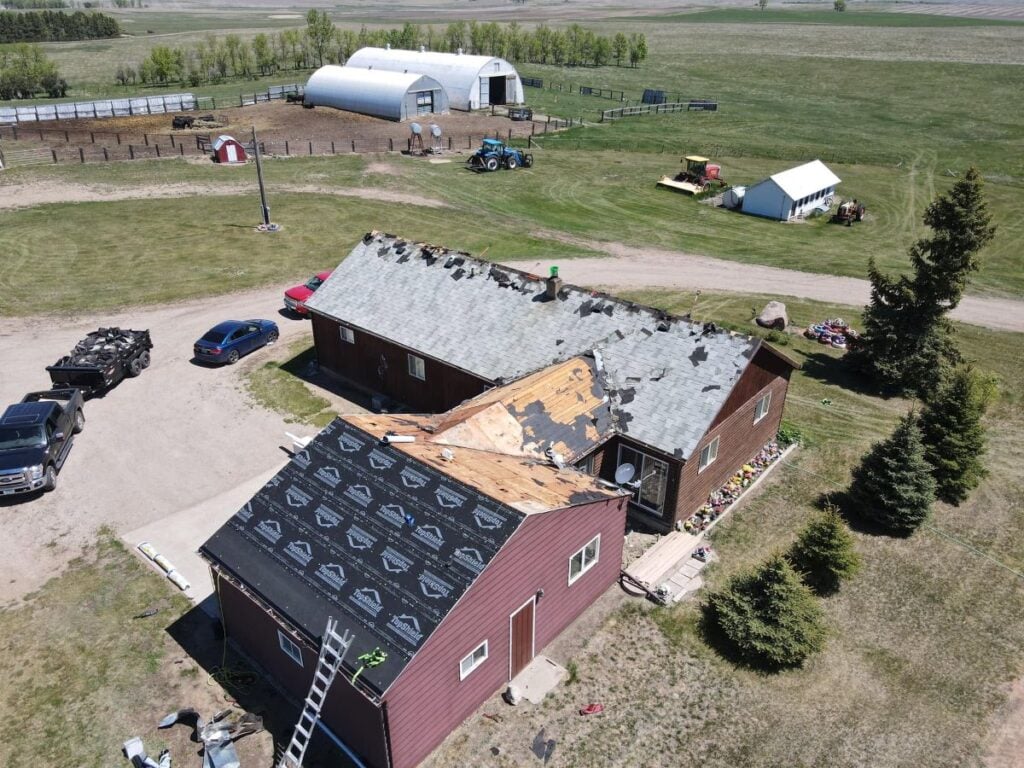
Your roof protects everything beneath it, from your insulation and drywall to your furniture and family. When it fails, the damage spreads quickly, and an unexpected leak can turn a manageable roofing project into an emergency with a much higher cost. For homeowners in Grand Forks, ND and surrounding areas, where spring storms and long winters are part of life, planning a replacement before problems escalate is one of the smartest financial moves you can make.
National data shows that the average roof replacement cost is around $9,600, with most professional projects ranging between about $5,900 and $13,400. Most roofing projects average about $4 to $11 per square foot for standard materials, though larger homes and premium materials can push the total cost considerably higher. Understanding those numbers ahead of time gives you real advantages:
- Confident budgeting: You can set aside funds or explore financing early instead of scrambling after a major leak.
- Easier quote comparisons: Knowing what drives pricing helps you evaluate multiple quotes and spot bids that leave out important work or pad the final price.
- Better material decisions: A clear budget helps you weigh upfront cost against lifespan, warranty options, and long-term value.
- Protected home value: A well-planned replacement boosts curb appeal and reassures future buyers that the roof is in excellent shape.
Every roof is different, so national averages are only a starting point. The actual cost of your project depends on several factors, which the next section breaks down in detail.
8 Factors That Shape the Price of a New Roof
Two homes on the same street can receive very different roof replacement quotes. The difference almost always comes down to a combination of the eight factors below.
1. Roof Size
Roofers measure in squares, with one roofing square equal to 100 square feet of roof surface area. The more squares your roof has, the more materials and labor the job requires. Keep in mind that roof square footage is larger than your home’s floor area because of overhangs and slope, so a 1,700 sq ft asphalt shingle roof typically costs $6,000 to $9,000.
2. Roofing Material
Material costs have a major impact on your total project cost. Asphalt and architectural shingles remain the most affordable and popular options, while metal, slate, and tile roofing come at a higher cost but can last much longer.
- Asphalt shingles: roughly $5,840 to $10,100 for replacement
- Metal roofing, including standing seam panels and metal shingles: roughly $10,245 to $41,640
- Tile roofing, such as clay tiles: roughly $10,665 to $20,900
- Wooden shakes: roughly $10,230 to $15,500
- Slate: roughly $39,925 to $54,020
The best roofing material for your home depends on your budget, your roof structure, and how long you plan to stay. Heavier options like tile and slate may require structural reinforcement, while some materials offer added fire resistance.
3. Roof Pitch
Steep slopes are harder and slower to work on safely. Crews need additional safety equipment and more labor time, which increases installation costs compared to a low-slope or single story roof of the same size.
4. Roof Design and Complexity
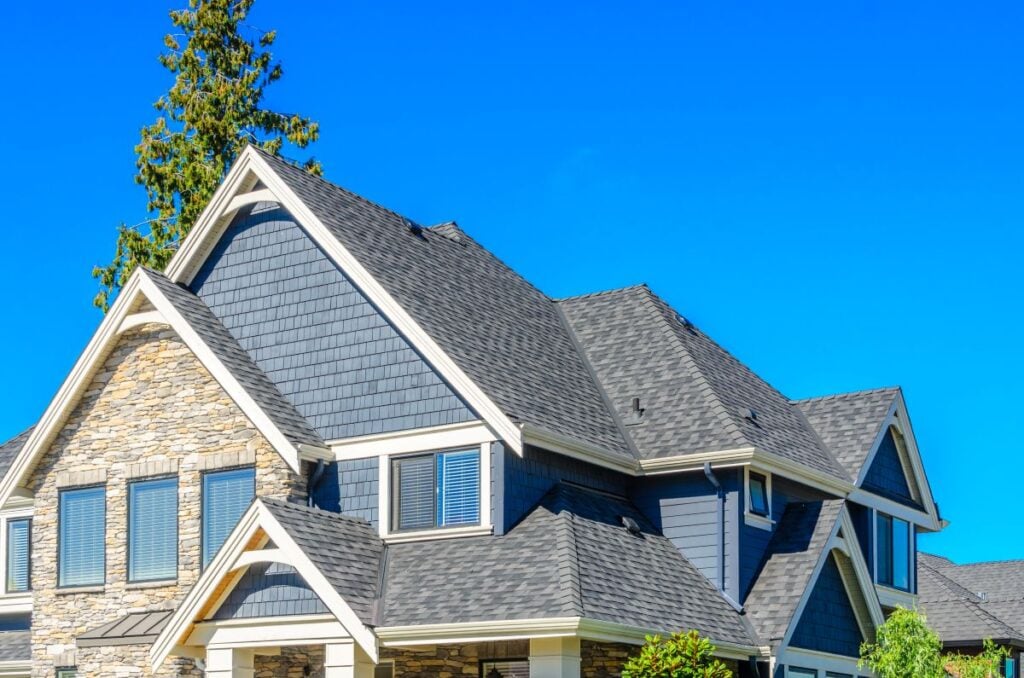
A simple gable roof design is the most cost-effective roof type to replace. Dormers, valleys, skylights, chimneys, and multiple roof planes all require additional cutting, flashing, and detail work.
- Each chimney or skylight needs custom flashing.
- Valleys require extra water protection to prevent leaks.
5. Tear-Off and Disposal
Most replacements begin with removing the existing roofing material down to the decking. Removal typically costs $0.40 to $2.00 per square foot, and homes with multiple layers of old shingles generate more waste, which increases dumpster and disposal fees.
6. Decking Condition
Once the old shingles are removed, your roofing contractor can inspect the wood decking underneath. Soft, rotted, or water-damaged boards must be replaced before new materials go on, and this cost is often unknown until tear-off day.
7. Underlayment, Flashing, and Ventilation
The components beneath and around your shingles are just as important as the shingles themselves. Quality underlayment, ice and water shield, new flashing, and balanced attic ventilation protect your entire roofing system and are often required to meet building codes and maintain manufacturer warranties.
8. Labor Rates and Your Home’s Location
Labor can account for roughly 60% of total roof replacement expenses, so higher labor rates can significantly increase overall costs. Many roofing companies charge a labor cost per square foot of $3.50 to $6.00, and pricing varies by region. For example, California homeowners often pay more because strict codes drive up labor costs. Timing matters too, since booking in late fall or other slower periods can sometimes offer more scheduling flexibility.
Looking at these eight factors together explains why an accurate estimate requires an in-person inspection. A contractor who measures your roof and examines its condition can give you a far more reliable number than any online cost per square calculator.
Hidden Costs Many Homeowners Overlook
Even well-prepared homeowners sometimes miss expenses that are not obvious at first glance. Being aware of these items helps you build a more realistic budget with a little cushion for the unexpected.
- Permits and inspections: Many cities require a building permit to have a roof replaced, and fees vary by location and project size.
- Decking replacement: Hidden rot beneath old shingles is common on older homes and can add to the final bill.
- Gutter adjustments: Gutters sometimes need to be removed, reset, or replaced during roof installation, especially if they are aging.
- Upgraded ventilation: Adding ridge vents or soffit intake vents may be necessary to meet code or warranty requirements.
- Extended warranties: Enhanced manufacturer or workmanship warranty options cost more upfront but provide added peace of mind.
A trustworthy contractor will explain which of these items apply to your home and include them clearly in your estimate. Asking about potential extras before signing a contract is the best way to reduce costs and avoid surprises once work begins.
Repair or Replace? How to Make the Right Call
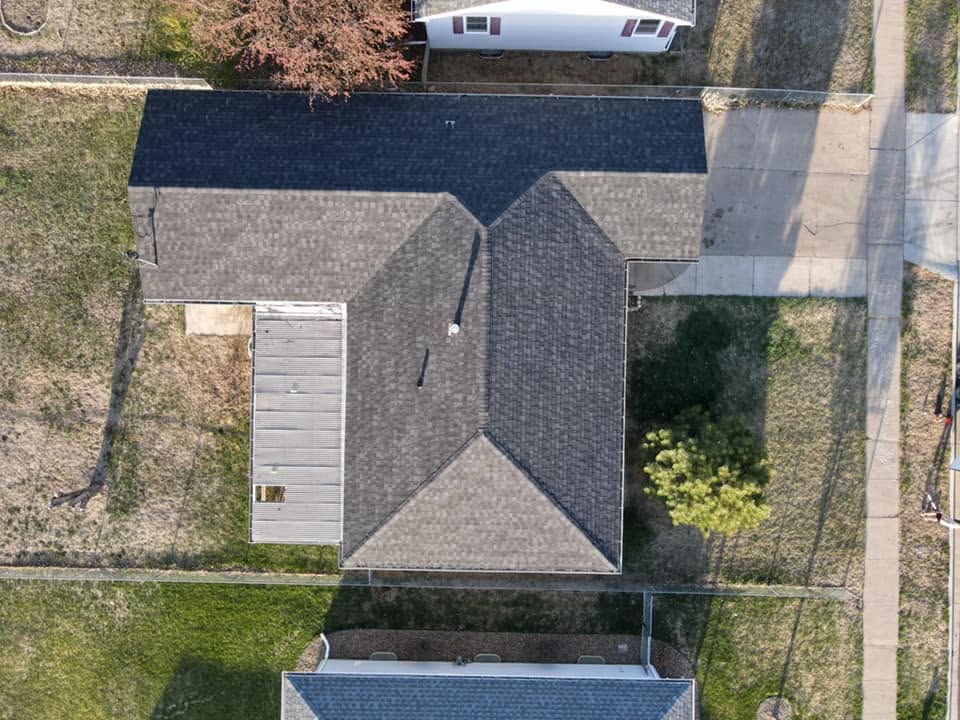
Not every roof problem requires a full replacement. Understanding when a repair makes sense and when replacement is the better investment can help you save money and stress in the long run.
When a Repair Makes Sense
Repairs are often the right choice for newer roofs with isolated issues. If your roof is still in good overall condition, fixing a small problem can extend its life for years.
- A few missing or damaged shingles after a windstorm
- A localized leak around a vent or chimney
- Minor flashing damage
When Replacement Is the Smarter Investment
Replacement becomes the better option when damage is widespread or your roof is near the end of its expected lifespan. Most asphalt shingle roofs last roughly 20 to 30 years, depending on quality and climate.
- Widespread curling, cracking, or missing shingles
- Repeated leaks in multiple areas
- Sagging sections or soft spots in the decking
- Heavy granule loss collecting in your gutters
Why Age Matters
Pouring money into repeated repairs on an aging roof often costs more over time than a single replacement. A new roof also comes with fresh warranty coverage and improved energy performance.
Homeowners in Grand Forks, ND and surrounding areas should schedule an inspection with local roofers after any major hail or wind event, even if damage is not visible from the ground. A professional assessment will tell you whether a targeted repair or a full replacement is the most cost-effective path forward.
Frequently Asked Questions About the Cost of Roof Replacement
Roof replacement is a major decision, and it is natural to have questions before moving forward. Here are clear answers to some of the most common ones.
How much should I expect to pay for a new roof?
Most homeowners spend somewhere between about $5,900 and $13,400, with the national average near $9,600. Larger homes, steep pitches, and premium materials can raise the total significantly.
Does a homeowners policy pay for roof replacement?
A homeowners policy often covers damage from sudden events like hail or wind, but it typically does not cover wear and tear or old age. Document storm damage quickly and have a roofer inspect it before filing a claim.
Should I hire a roofing contractor or a general contractor?
A dedicated roofing contractor is usually the better choice because roofing is their specialty. They understand local building codes, manufacturer requirements, and warranty rules better than most general contractors.
What financing options are available for a new roof?
Many contractors offer online applications for financing, and options vary by lender and terms offered. Some homeowners use credit cards to cover short-term cash flow gaps, and you may also qualify for state and federal incentive programs for certain energy efficient materials.
Can I put new shingles over my old roof?
Some codes allow a second layer, but it is usually not recommended. Layering hides decking problems, adds weight, and can shorten the life of your new shingles.
If you have additional questions about your specific roof, a professional inspection is the best way to get accurate answers. Every home has unique needs, and a local expert can guide you toward the right solution.
Plan Your Roof Replacement With Confidence
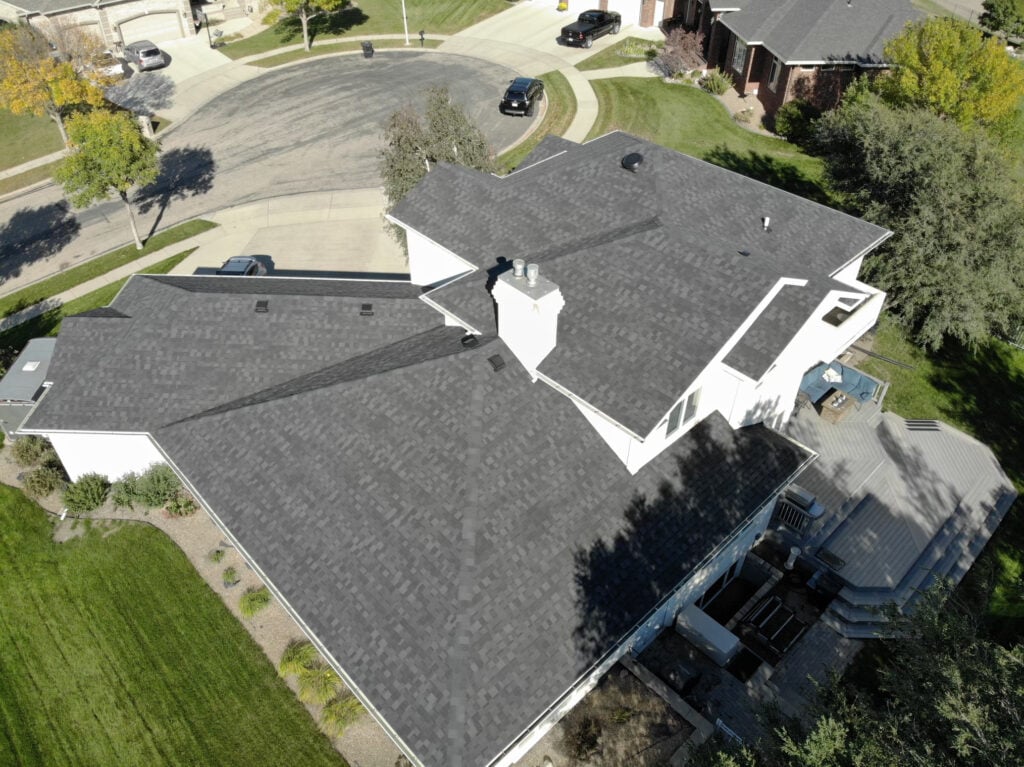
Your roof is your home’s first line of defense, and knowing what to expect financially makes the replacement process far less stressful. With the right materials and a skilled installation, your new roof can protect your family for decades. At 5 Star Roofing, we help homeowners in Grand Forks, ND and surrounding areas with honest estimates, quality products, and craftsmanship that lasts. Ready to find out what your new roof will cost? Contact us today to schedule your free estimate.


