

How to Prevent Ice Dams: 5 Winter Roof Protection Tips
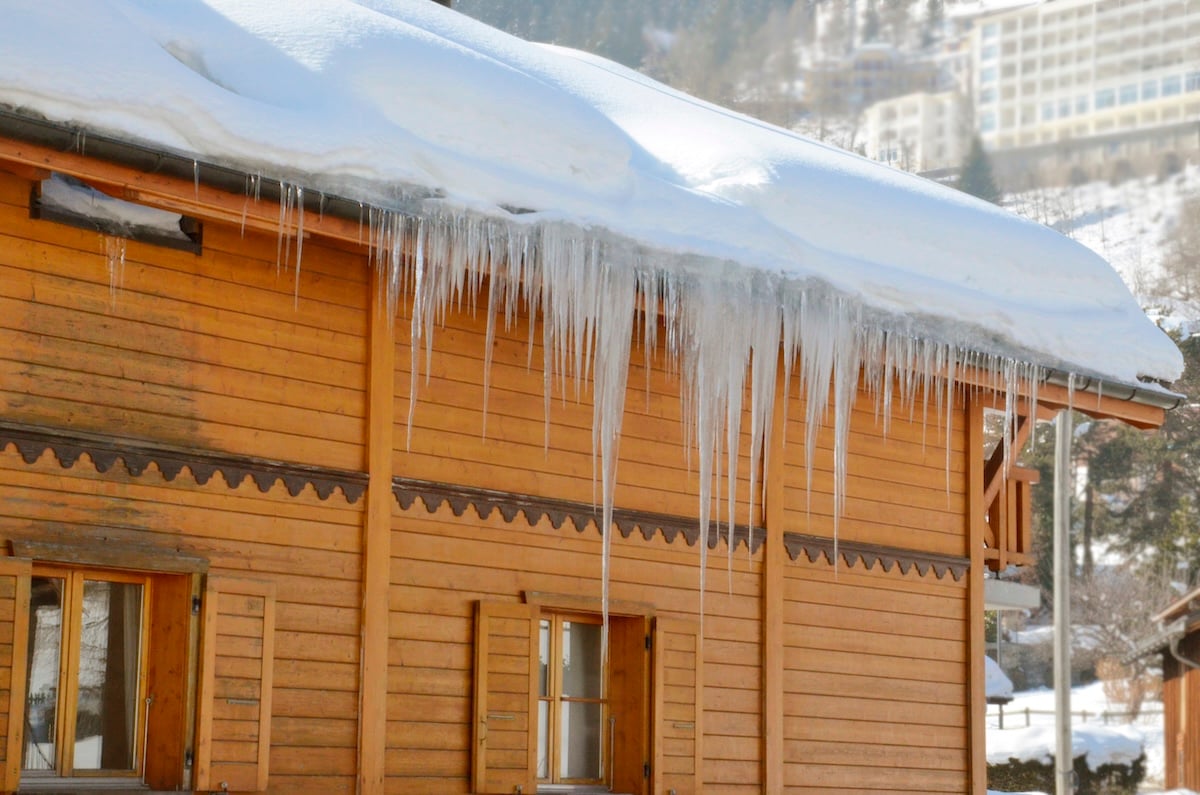
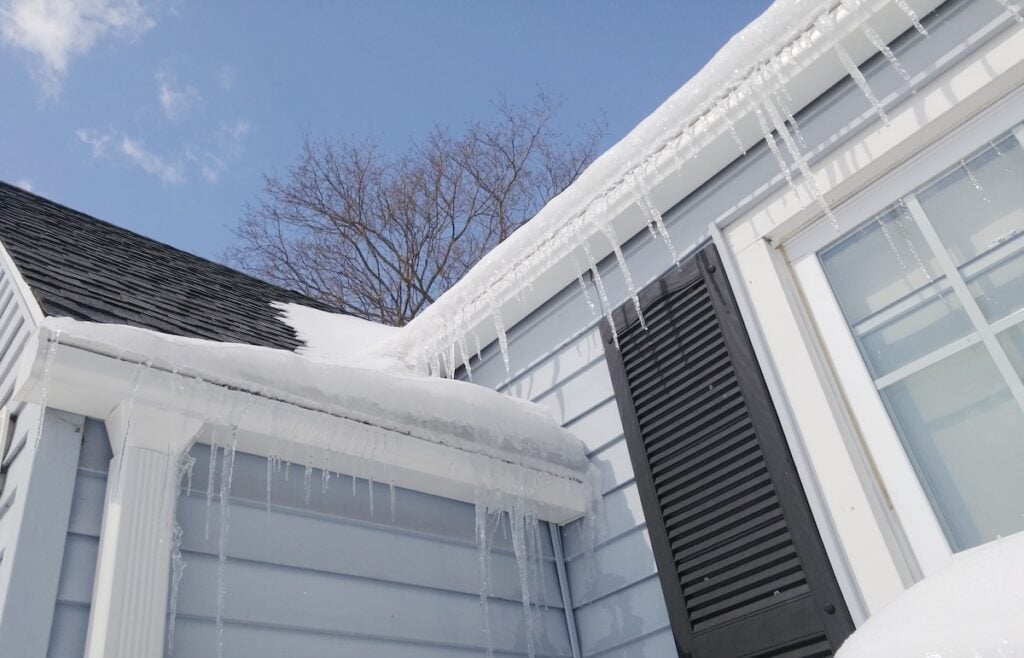
Knowing how to prevent ice dams is essential for protecting your roof and home during harsh North Dakota winters. Ice dams form when melting snow refreezes along the edges of your roof, trapping water behind it and forcing moisture under shingles. For homeowners in Valley City and surrounding areas, where heavy snowfall and freezing temperatures are common, preventing ice dams can save thousands of dollars in roof and interior repairs.
- Protects your shingles: Prevents water from backing up under roofing materials.
- Reduces interior damage: Stops leaks that stain ceilings and walls.
- Improves energy efficiency: Proper insulation and ventilation help regulate attic temperature.
Below, we break down exactly why ice dams form and five practical steps you can take to prevent them this winter.
What Causes Ice Dams?
Ice dams do not simply form because of snow. They develop when uneven roof temperatures cause snow to melt on the upper portion of the roof and then refreeze at the colder eaves. This cycle creates a ridge of ice that blocks proper drainage.
In Valley City and surrounding areas, fluctuating winter temperatures and heavy snow accumulation make homes particularly vulnerable. Understanding the root cause is the first step toward prevention.
The Role of Heat Loss
Warm air escaping from your living space rises into the attic. If the attic is not properly insulated, that heat warms the roof deck and melts snow from underneath.
- Insufficient insulation: Allows indoor heat to reach the roof surface.
- Air leaks: Gaps around light fixtures and attic hatches release warm air.
- Poor ventilation: Traps heat instead of allowing it to escape evenly.
When melted snow reaches the colder edge of the roof, it refreezes and begins forming an ice dam.
Signs You May Be at Risk
Even before major damage occurs, your home may show early warning signs of ice dam development.
Watch for These Red Flags
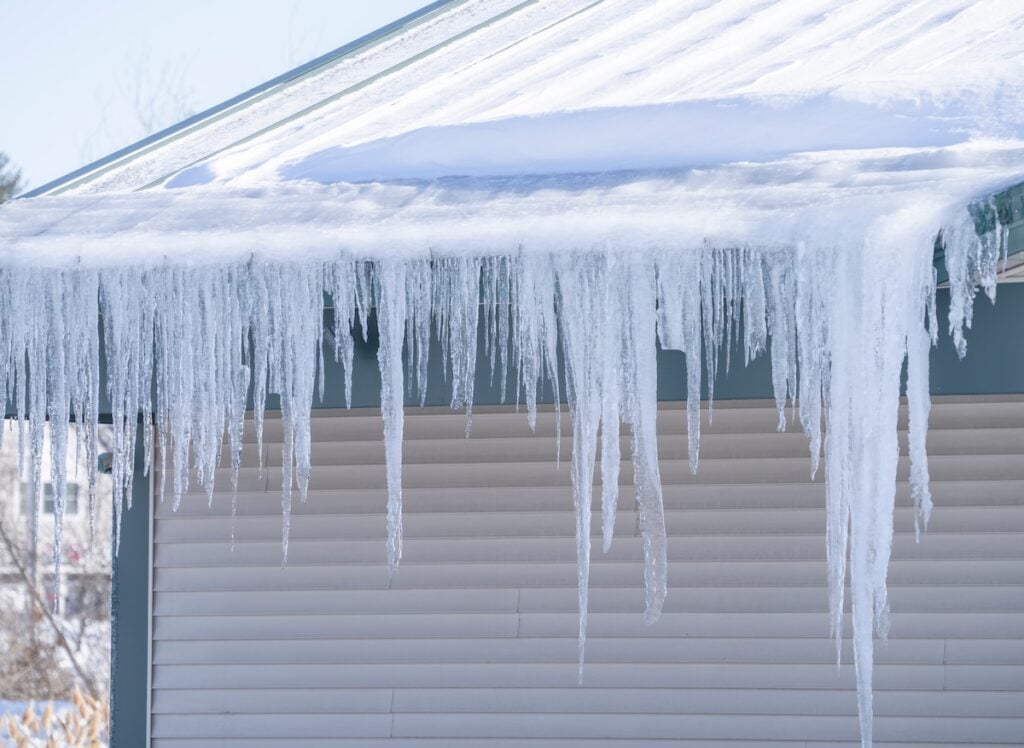
- Large icicles along gutters: A common sign of uneven roof temperatures.
- Ice buildup at roof edges: Indicates trapped melting snow.
- Water stains on ceilings: Suggest water has backed up under shingles.
- Peeling paint near eaves: May signal hidden moisture damage.
If you notice these issues during winter in Valley City and surrounding areas, it is time to take preventative action.
5 Winter Roof Protection Tips
Preventing ice dams requires addressing insulation, ventilation, and snow management. The following five tips will significantly reduce your risk.
Before diving into each step, remember that prevention works best when implemented before heavy snowfall begins. Waiting until ice forms makes removal more difficult and potentially dangerous.
1. Improve Attic Insulation
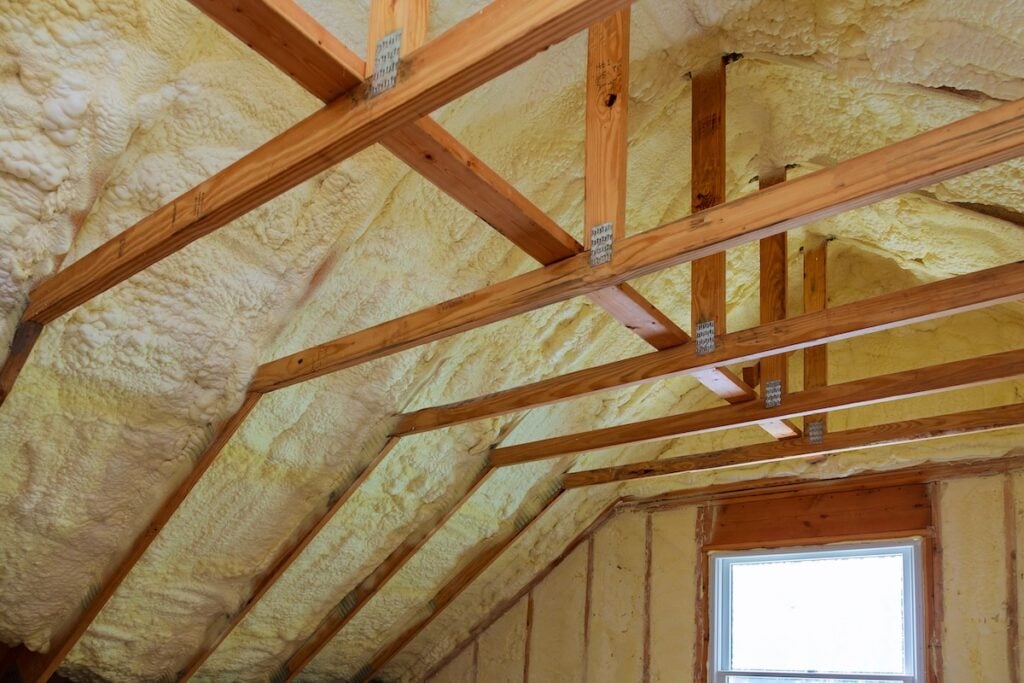
Proper insulation is one of the most effective ways to prevent ice dams. Insulation acts as a barrier that keeps warm indoor air from heating the roof deck.
Without adequate insulation, heat escapes through the attic and creates uneven melting patterns across your roof.
- Check insulation depth: Most North Dakota homes benefit from R 49 to R 60 attic insulation.
- Seal attic floor gaps: Close openings around vents, wiring, and recessed lighting.
- Add blown in insulation if needed: Improves overall thermal resistance.
Keeping attic temperatures consistent with outdoor conditions reduces snow melt and refreezing cycles.
2. Ensure Proper Attic Ventilation
Ventilation works alongside insulation to maintain a balanced roof temperature. Fresh air should enter through soffit vents and exit through ridge or roof vents.
When airflow is blocked, warm air becomes trapped in the attic, raising roof deck temperatures.
- Inspect soffit vents: Make sure insulation is not blocking airflow.
- Check ridge vents: Ensure they are free from debris.
- Install baffles if necessary: Help maintain clear ventilation pathways.
Balanced ventilation is especially important in Valley City and surrounding areas, where winter temperatures can drop rapidly overnight.
3. Remove Snow Safely After Heavy Storms
Excess snow accumulation increases the risk of ice dam formation. Carefully removing snow from the lower portion of your roof can help prevent buildup.
However, safety should always come first.
- Use a roof rake: Stand on the ground and pull snow downward gently.
- Avoid climbing onto the roof: Slippery surfaces increase fall risk.
- Clear the first three to four feet from the eaves: Focus on areas prone to refreezing.
Removing snow reduces the amount of meltwater that can refreeze at roof edges.
4. Install Ice and Water Shield Underlayment
Ice and water shield is a waterproof membrane installed beneath shingles along roof edges and valleys. It provides a secondary barrier if water backs up under shingles.
While it does not stop ice dams from forming, it helps prevent leaks if they do.
- Apply along eaves: Extend at least 24 inches inside the exterior wall line.
- Cover valleys and penetrations: Protect vulnerable roof areas.
- Combine with proper flashing: Strengthens moisture defense.
If you are replacing your roof in Valley City and surrounding areas, adding this protective layer is a smart investment.
5. Schedule a Professional Winter Inspection
Sometimes the causes of ice dams are not visible from the ground. A professional roofing inspection can identify hidden ventilation or insulation problems before winter intensifies.
Early detection saves time, stress, and money.
- Assess attic insulation levels: Confirm adequate coverage.
- Evaluate ventilation balance: Ensure proper intake and exhaust airflow.
- Inspect flashing and roof edges: Identify areas vulnerable to leaks.
Professional guidance ensures your roof is prepared for harsh winter conditions.
What to Avoid When Dealing with Ice Dams
Many homeowners attempt quick fixes that can cause more harm than good.
Avoid These Common Mistakes
- Chipping ice with sharp tools: Can damage shingles and gutters.
- Using open flames or heat devices: Creates fire hazards.
- Ignoring minor buildup: Small dams can quickly grow during fluctuating temperatures.
- Relying only on temporary melting products: Does not address root causes.
Addressing insulation and ventilation is far more effective than repeatedly removing ice.
Long Term Benefits of Ice Dam Prevention
Preventing ice dams does more than stop winter leaks. It also improves the overall performance of your roofing system.
- Extends roof lifespan: Reduces shingle deterioration from trapped moisture.
- Protects structural framing: Prevents wood rot in roof decking.
- Improves indoor air quality: Reduces mold risk from hidden leaks.
- Enhances energy efficiency: Balanced insulation lowers heating costs.
Homeowners in Valley City and surrounding areas who invest in prevention often experience fewer winter roofing emergencies.
Why North Dakota Homes Are Especially Vulnerable
Homes in colder climates face unique challenges. Heavy snowfall followed by sunny days creates ideal conditions for ice dam formation.
Rapid temperature swings common in Valley City and surrounding areas can accelerate melting during the day and refreezing at night. This repeated cycle builds thicker and more damaging ice ridges along roof edges.
That is why proactive prevention is so important in this region.
Protect Your Roof Before Winter Hits
Understanding how to prevent ice dams gives you the power to protect your home from costly winter damage. By improving attic insulation, ensuring proper ventilation, removing excess snow safely, installing protective underlayment, and scheduling professional inspections, you can dramatically reduce your risk.
Homeowners in Valley City and surrounding areas trust 5 Star Roofing and Contracting to prepare their roofs for North Dakota winters. Our experienced team provides thorough inspections, expert recommendations, and high quality roofing solutions built to withstand heavy snow and freezing temperatures.
Contact 5 Star Roofing and Contracting today for a free inspection and let us help you keep your roof protected all winter long.


