


Metal Roof Installation: Process, Cost & Benefits
Metal roof installation is becoming an increasingly popular choice for homeowners looking for durability, energy efficiency, and long term value. Unlike traditional roofing materials, metal roofs are designed to withstand harsh weather, resist corrosion, and last for decades with minimal maintenance. For homeowners in Grand Forks and surrounding areas, where heavy snow, wind, and temperature swings are common, metal roofing offers a reliable and long lasting solution.
- Exceptional durability: Metal roofs can last 40 to 70 years or more.
- Energy efficiency: Reflective surfaces help reduce cooling costs.
- Strong weather resistance: Performs well in snow, wind, and hail conditions.
Understanding the installation process, costs, and benefits of metal roofing can help homeowners decide whether it is the right option for their property.
Why Metal Roofing Is Growing in Popularity
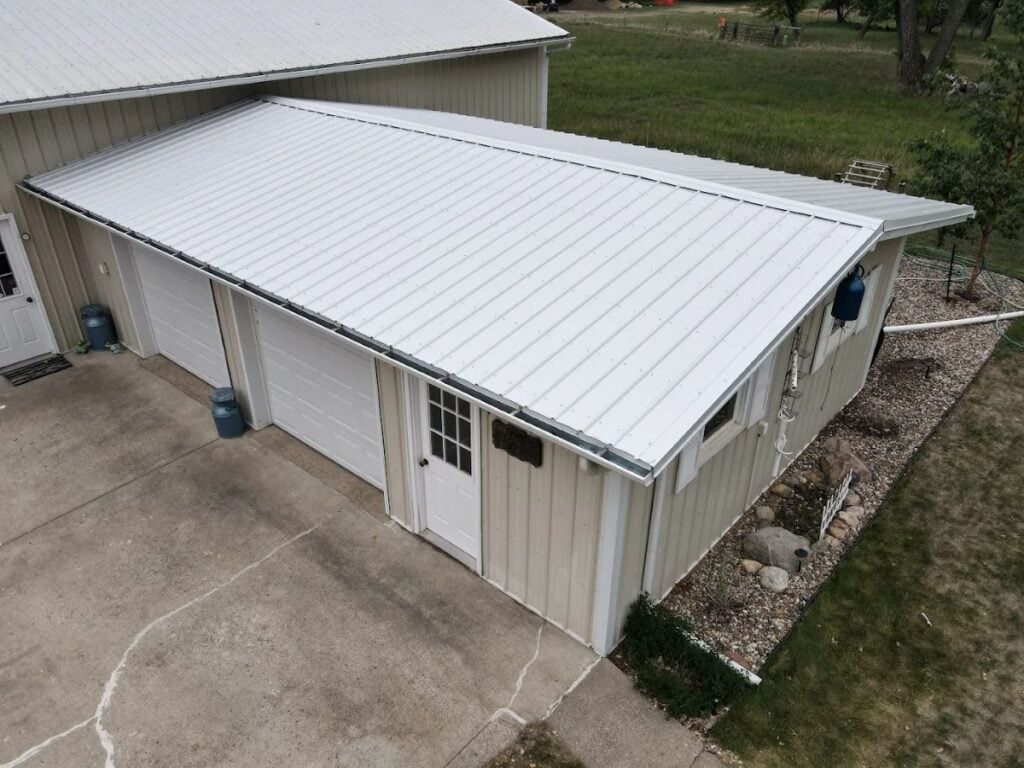
Metal roofing has evolved significantly in recent years. Modern metal roofs are not only stronger than traditional materials but also available in a variety of styles and colors that complement different home designs.
Homeowners in Grand Forks and surrounding areas often choose metal roofing for its ability to handle extreme weather conditions while maintaining its structural integrity over time.
Key Advantages of Metal Roofing
Metal roofs offer several benefits that make them attractive to homeowners planning a roof replacement.
- Long lifespan: Many metal roofs last more than twice as long as asphalt shingles.
- Low maintenance: Resistant to cracking, shrinking, and erosion.
- Fire resistance: Metal roofing materials are typically non combustible.
- Eco friendly: Many metal roofs contain recycled materials and are fully recyclable.
These advantages help explain why metal roofing continues to gain popularity.
5 Steps of the Metal Roof Installation Process
Proper installation is essential for the performance and longevity of a metal roof. While the exact process can vary depending on the type of metal system used, most installations follow a similar sequence.
Understanding these steps helps homeowners know what to expect during the project.
1. Roof Inspection and Preparation
Before installation begins, roofing contractors inspect the existing roof structure and decking. Any damaged areas must be repaired to ensure the new roof has a stable foundation.
- Inspect roof decking: Check for rot or structural weakness.
- Remove old roofing materials: Strip existing shingles if necessary.
- Install underlayment: Provides an additional moisture barrier.
Preparation ensures the new metal roof will perform properly.
2. Installing Drip Edge and Flashing
Drip edge and flashing components protect vulnerable roof areas and help guide water away from the structure.
- Install drip edge along roof edges: Directs water into gutters.
- Add flashing around chimneys and vents: Prevents leaks at penetrations.
- Seal roof valleys: Protect areas where roof planes meet.
These protective components help prevent moisture intrusion.
3. Installing Metal Panels or Shingles
Once the roof is prepared, the metal roofing panels or shingles are installed. The exact method depends on the roofing system chosen.
- Standing seam panels: Large vertical panels secured with hidden fasteners.
- Metal shingles: Smaller pieces designed to resemble traditional shingles.
- Proper panel alignment: Ensures a clean appearance and correct drainage.
Precise placement is essential for both performance and aesthetics.
4. Securing Fasteners and Seams
Metal roofing systems rely on carefully installed fasteners and sealed seams to prevent water penetration.
- Hidden fasteners: Used in standing seam systems for improved durability.
- Proper screw placement: Prevents panel movement during temperature changes.
- Seal seams and joints: Ensures weather resistance.
Correct fastening is critical for long term roof performance.
5. Installing Ridge Caps and Ventilation
The final stage of installation focuses on sealing the roof peak and ensuring proper airflow through the attic.
- Install ridge caps: Protect the highest point of the roof.
- Add ridge vents if needed: Improve attic ventilation.
- Inspect all seams and edges: Confirm watertight installation.
These finishing steps complete the roofing system.
Cost of Metal Roof Installation
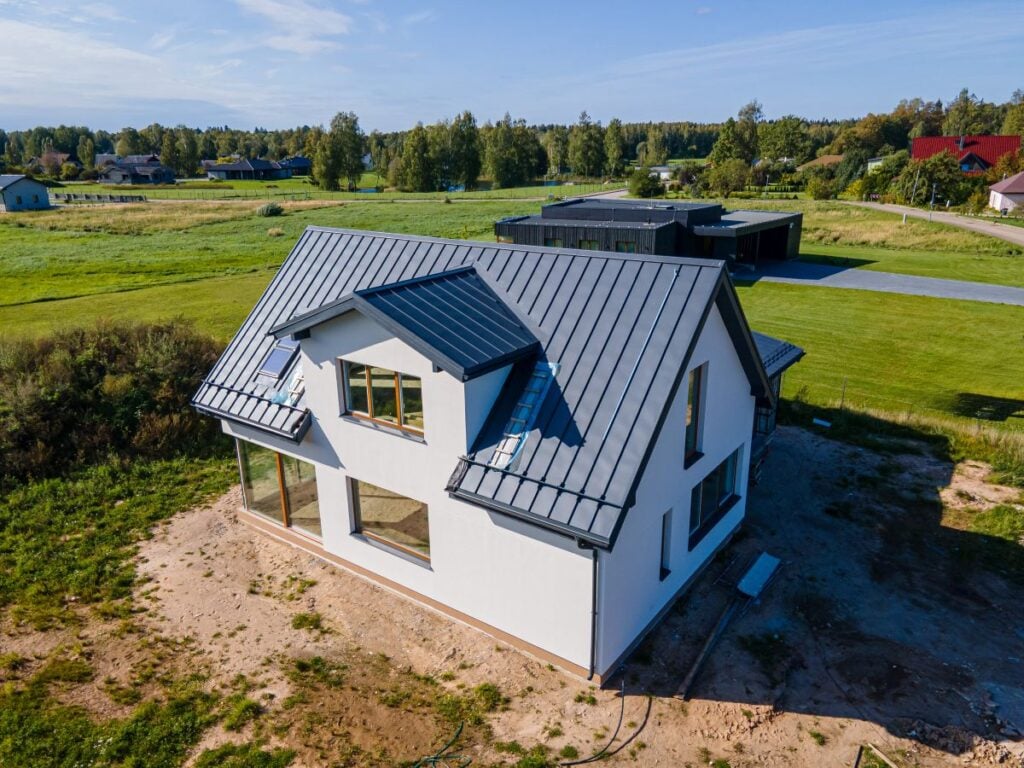
Metal roofing typically costs more upfront than traditional asphalt shingles, but the long term value often offsets the initial investment.
For homes in Grand Forks and surrounding areas, metal roof installation costs usually fall within these ranges.
| Roofing Type | Average Installed Cost per Square Foot | Typical Lifespan |
| Asphalt Shingles | $4 to $7 | 15 to 30 years |
| Metal Roofing | $9 to $14 | 40 to 70 years |
The total price depends on factors such as roof size, design complexity, and the type of metal roofing system selected.
Benefits of Installing a Metal Roof
Metal roofing offers several long-term advantages that make it an appealing option for homeowners.
Durability in Harsh Weather
Metal roofs are designed to withstand strong winds, heavy snow, and hail impacts.
- Wind resistance: Many systems are rated for winds exceeding 120 mph.
- Snow shedding: Smooth surfaces allow snow to slide off more easily.
- Impact resistance: Thicker metal panels resist hail damage.
These qualities make metal roofing ideal for northern climates.
Energy Efficiency
Metal roofing can improve your home’s energy efficiency by reflecting solar heat instead of absorbing it.
- Reflective coatings: Reduce attic heat buildup.
- Lower cooling costs: Helps maintain comfortable indoor temperatures.
- Compatibility with solar panels: Metal roofs work well with solar installations.
Energy efficiency can lead to long term savings on utility bills.
Long Term Value
Although metal roofing requires a larger initial investment, its longevity often makes it more cost effective over time.
- Fewer replacements: Outlasts multiple shingle roofs.
- Reduced maintenance costs: Requires fewer repairs.
- Improved home value: Durable materials attract buyers.
This long term value makes metal roofing a strong investment for many homeowners.
Maintenance Tips for Metal Roofs
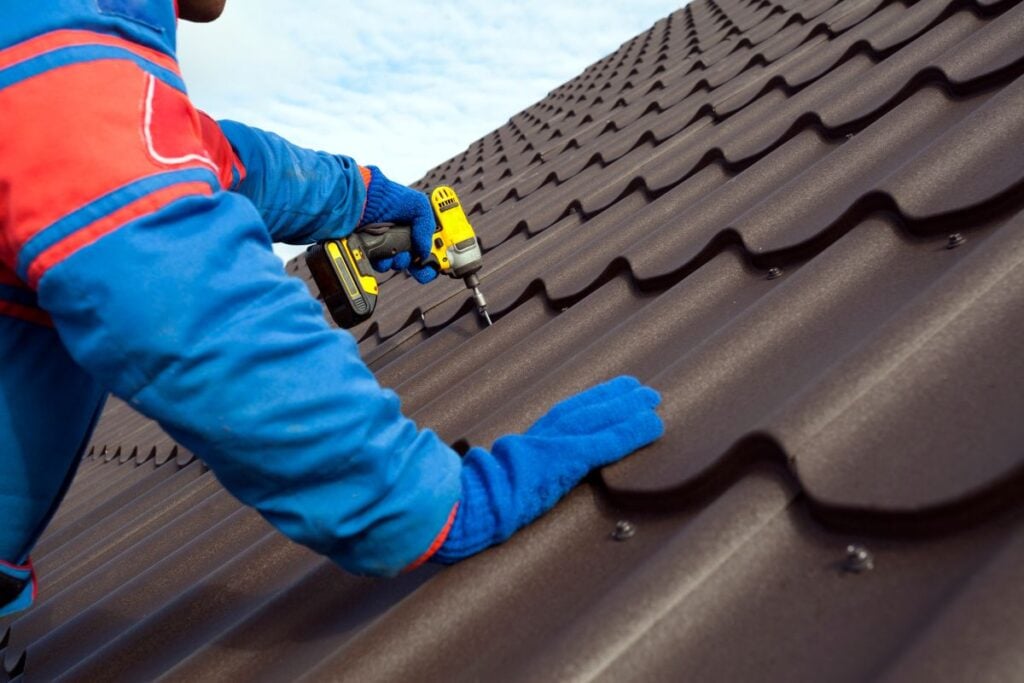
Metal roofs require less maintenance than many other roofing materials, but periodic inspections help ensure they remain in excellent condition.
Simple Maintenance Practices
- Inspect the roof annually: Look for loose fasteners or damaged flashing.
- Remove debris: Prevent leaves and branches from accumulating.
- Check sealants: Ensure flashing remains properly sealed.
- Inspect after severe storms: Identify potential damage early.
Regular maintenance helps maximize the lifespan of your metal roof.
Invest in a Durable Roofing Solution
Metal roofing provides exceptional durability, energy efficiency, and long term value for homeowners. Understanding the metal roof installation process, associated costs, and key benefits helps you make an informed decision when planning a roof replacement.
Homeowners in Grand Forks and surrounding areas trust 5 Star Roofing and Contracting for expert metal roof installation backed by quality craftsmanship and reliable materials. Our experienced team ensures every roof is installed with precision and built to withstand North Dakota’s demanding climate.
Contact 5 Star Roofing and Contracting today for a free inspection and discover how a professionally installed metal roof can protect your home for decades to come.


