


Siding Installation: 6 Things to Know Before Scheduling
Your home’s exterior does more than shape curb appeal, it forms the first line of defense against wind, moisture, and temperature swings throughout the year. Scheduling a siding installation without understanding what is involved can lead to unexpected costs, delays, or a finished product that does not perform the way you expect. Homeowners in Moorhead and surrounding areas benefit from knowing what to expect before the crews arrive, and taking a closer look at what an exterior upgrade can do for your home helps you make a more confident decision from the very start.
Here’s what this article will help you prepare for:
- The main reasons a well planned siding project matters
- Six practical things to sort out before work begins
- What happens during a typical installation
- How different siding materials compare
- Answers to common questions about the process
Why Your Siding Choice Protects More Than Curb Appeal
Siding is one of the hardest working parts of your home, absorbing sun, wind, and moisture every single day. When it is outdated, damaged, or poorly installed, the effects reach far beyond appearance and can show up as higher utility bills or hidden structural issues.
A well planned installation delivers benefits that go well past a fresh look. Homeowners considering this project should keep the following in mind:
- Energy efficiency: Modern siding paired with proper insulation helps regulate indoor temperatures year round.
- Moisture protection: Quality materials and correct installation keep water from reaching your home’s frame and sheathing.
- Home value: New siding is consistently ranked among the top exterior projects for return on investment.
- Low maintenance: Many modern siding options require little more than an occasional rinse to stay looking sharp.
These advantages only show up when the project is planned and executed correctly. That is why understanding the details ahead of time, rather than leaving decisions to the last minute, tends to make the biggest difference in the final result.
6 Things to Know Before Scheduling Your Siding Installation
Jumping into a siding project without a little preparation can lead to surprises partway through. Below are six things homeowners in Moorhead and surrounding areas should sort out before committing to a start date.
1. Know Your Siding Material Options
Not all siding materials perform the same way in our climate. Vinyl, fiber cement, wood, and metal each offer different combinations of cost, durability, styles, and upkeep, so it helps to have a general idea of what you want before getting quotes.
- Vinyl siding is budget friendly, low maintenance, and available in a wide range of colors and styles
- Fiber cement siding is durable and fire-resistant, with a wood like appearance
- Engineered wood siding offers a natural wood look with added strength compared to traditional wood
2. Understand the Full Scope of the Project
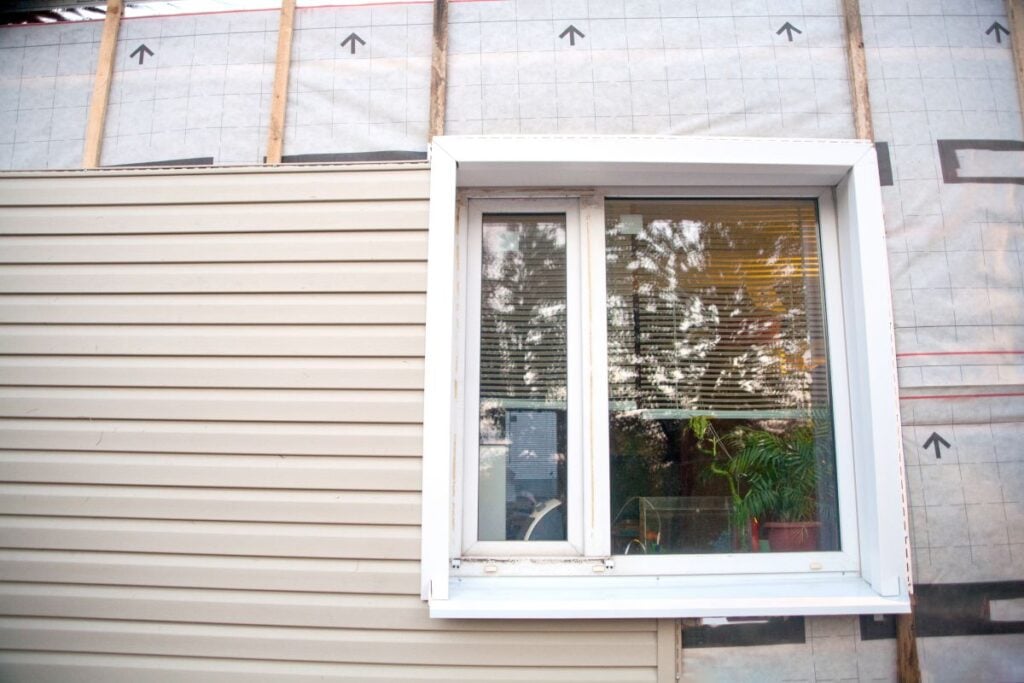
A siding installation often involves more than swapping old panels for new ones. Depending on the condition of your home, the project may include removing the existing siding, repairing damaged sheathing, and installing a new moisture barrier before any new material goes up. Trim around windows, doors, and corners may also need to be replaced or refreshed to match the new siding, and accurate measurements at the start help avoid material shortages later.
Ask your contractor to walk through each phase so you know exactly what is included in your quote and what might be considered an add on cost. A detailed, written scope of work protects both you and the contractor if questions come up later.
3. Ask About Moisture Barriers and Insulation
Proper moisture management is one of the most important, and least visible, parts of a quality installation. A house wrap or weather resistant barrier placed underneath the siding helps prevent water infiltration and improves overall energy performance. Crews should also flash around windows and doors so moisture cannot work its way behind the new panels.
- Ask which type of barrier will be used
- Confirm whether rigid foam insulation is included
- Find out how seams and openings will be sealed
4. Clarify the Timeline and Weather Considerations
Siding projects move at different speeds depending on the size of the home, the material chosen, and the weather. Cold or wet conditions can slow progress, especially with materials that require specific temperatures to install properly.
Getting a realistic timeline upfront, including how weather delays will be handled, helps you plan around the project instead of being caught off guard by it.
5. Review the Warranty Coverage
Most siding materials come with a manufacturer’s warranty, but installation quality plays a major role in whether that coverage actually applies. A separate workmanship warranty from your contractor covers issues caused by installation errors rather than the material itself.
- Confirm the length of both warranties
- Ask whether the workmanship warranty is transferable
- Get warranty details in writing before work begins
6. Prepare Your Home and Landscaping
Before the crew arrives, it helps to clear the area around your home’s exterior. Move outdoor furniture, trim back bushes or trees near the walls, and make sure vehicles are parked away from the work zone, including anything stored near the garage, so the crew has full access. It is also worth asking your contractor whether you need to pull a permit or get permission from your city or HOA, since some areas require a permit for dumpster placement during construction.
Taking these steps ahead of time keeps the project moving efficiently and reduces the chance of accidental damage to your belongings or landscaping. Keeping pets inside during active work hours also helps keep them safe from tools, debris, and loose fasteners left out over the course of the day.
Understanding the Siding Installation Process
Knowing what actually happens during a siding project can make the experience feel far less overwhelming. While every home is different, most installations follow a similar sequence from start to finish.
Preparation and Removal
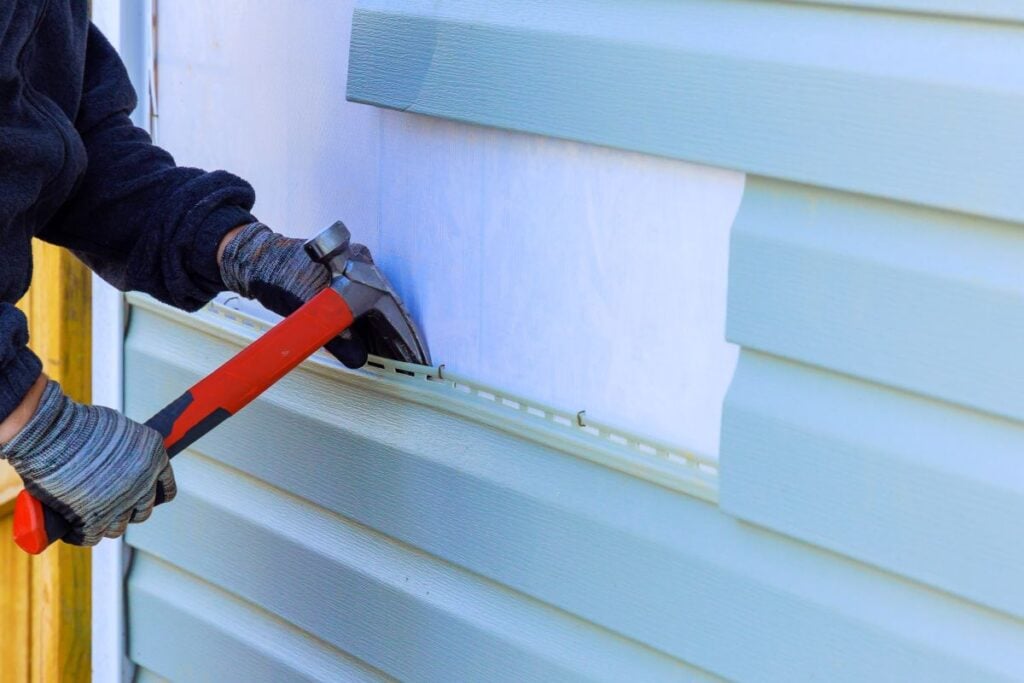
The crew typically begins by protecting landscaping and windows before removing the old siding down to the sheathing, a process that usually takes one to two days depending on the size of the home. This is often when hidden damage, such as rot or water staining, becomes visible for the first time.
Repairs and Weatherproofing
Any damaged sheathing is replaced, and a new moisture barrier is installed to protect the home before the new siding goes up. This step is easy to overlook from the outside but plays a major role in long term performance.
Installation and Finishing
New panels, trim, and accessories are installed according to the manufacturer’s specifications, followed by a final walkthrough to check alignment, sealing, and overall appearance.
Most residential siding installations take anywhere from a few days to about two weeks, depending on the size of the home and the material selected. A clear understanding of each phase helps homeowners know what questions to ask along the way.
Key Techniques and Tools
Installing vinyl siding well depends on a handful of key techniques rather than just the material itself. The first step is confirming the sheathing underneath is a smooth, flat surface, since vinyl siding will not lie correctly over an uneven wall. From there, crews typically use a circular saw to cut panels to length, along with basic hand tools to keep each course straight and level.
- Corner posts, J channel, and utility trim frame the edges of walls, windows, and doors before the main panels go up, and fascia and soffit pieces are often installed or repaired at the same time
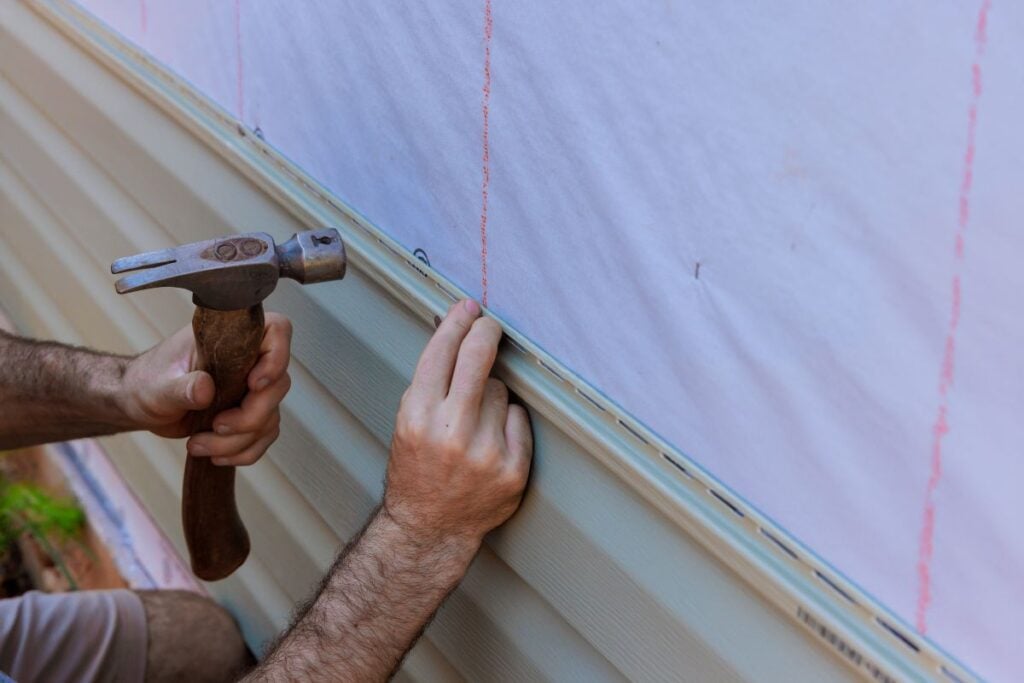
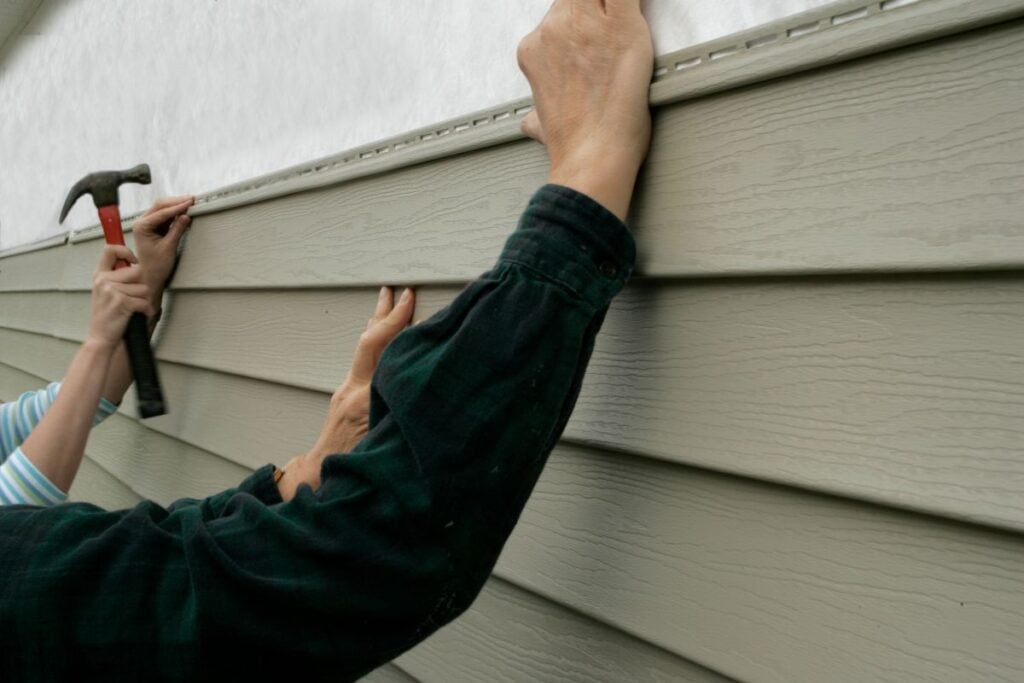
- Nails should sit centered in the nail slot rather than driven tight against it, and the nail head should rest flush without pinching the panel, since vinyl siding can expand and contract about half an inch over a 12.5 foot run
- Fasteners must penetrate at least 1 1/4 inches into nailable material to hold securely, and panels are designed to overlap slightly at each course to help shed water
These techniques and tips help crews avoid the most common installation mistakes, and communicating with your contractor about them ahead of time helps ensure the finished product performs well through cold winters and humid summers for years to come.
Comparing Popular Siding Materials
Choosing the right material is one of the biggest decisions in the entire process, and each option comes with its own balance of cost, appearance, and long term performance. Homeowners often weigh these factors carefully before making a final choice.
The table below offers a general comparison of common siding materials to help guide that conversation.
| Material | Average Lifespan | Maintenance Level |
| Vinyl | 20 to 40 years | Low |
| Fiber Cement | 30 to 50 years | Low to moderate |
| Wood | 20 to 30 years | High |
| Metal | 40 to 60 years | Low |
While vinyl remains a popular choice for its affordability, fiber cement has grown in popularity for homeowners who want durability without the upkeep that wood requires. Metal siding, though less common on traditional homes, offers excellent longevity for those willing to invest a bit more upfront. Climate also plays a role in this decision, since materials that hold up well in one region may need more frequent maintenance in another.
Frequently Asked Questions About Siding Installation
Homeowners often have similar questions once they start planning a siding project. Below are answers to some of the most common ones we hear from families in Moorhead and surrounding areas.
How long does a siding installation take?
Most residential projects take between a few days and two weeks, depending on the size of the home and the material chosen.
Can siding be installed in the winter?
Some materials can be installed in colder weather, though certain products perform best when temperatures stay within a manufacturer recommended range. A contractor can advise on timing for your specific project.
Do I need to remove my old siding first?
In most cases, yes. Removing the old siding allows the crew to inspect and repair the sheathing underneath, which helps avoid problems down the road.
Will new siding actually lower my energy bills?
It can, especially when paired with proper insulation and a quality moisture barrier. The exact savings depend on your home’s current condition, the materials used, and how well the installation seals out drafts around windows, doors, and corners.
How do I choose the right siding material for my home?
The right choice depends on your budget, desired maintenance level, and the look you want to achieve. A contractor can help you determine the best fit by weighing these factors against your specific home and climate.
If you still have questions specific to your project, a professional consultation is always the best way to get a clear answer.
Ready to Move Forward With Confidence?
A siding installation is a significant investment in your home’s protection, efficiency, and curb appeal, and going in prepared makes all the difference. Understanding your material options, the full scope of the project, and what to expect along the way helps the entire process feel far more manageable.
At 5 Star Roofing and Contracting, we have helped homeowners throughout Moorhead and surrounding areas plan and complete siding projects with confidence from start to finish. Whether you are still comparing materials or ready to get started, our team is here to walk you through every step. Reach out and contact us today to schedule a consultation and get a clear plan for your home’s exterior.


