


Siding Replacement: When to Upgrade & What to Expect
A well-planned siding replacement is one of the smartest exterior upgrades a homeowner can make, both for how the home looks and for how well it stands up to weather for the next 30 to 40 years. New siding does far more than change the color of your home. It seals out moisture, adds insulation, boosts curb appeal, and delivers one of the highest returns on investment of any remodeling upgrade you can do. Knowing when it’s time to replace, what to expect during the process, and how to pick the right material sets you up for a project that pays off for decades.
- When to upgrade: Warping, cracking, rot, and faded panels are all clear signs it’s time.
- What to expect: A typical siding replacement takes one to two weeks from start to finish.
- What you gain: Better protection, lower energy bills, higher home value, and a fresh new look.
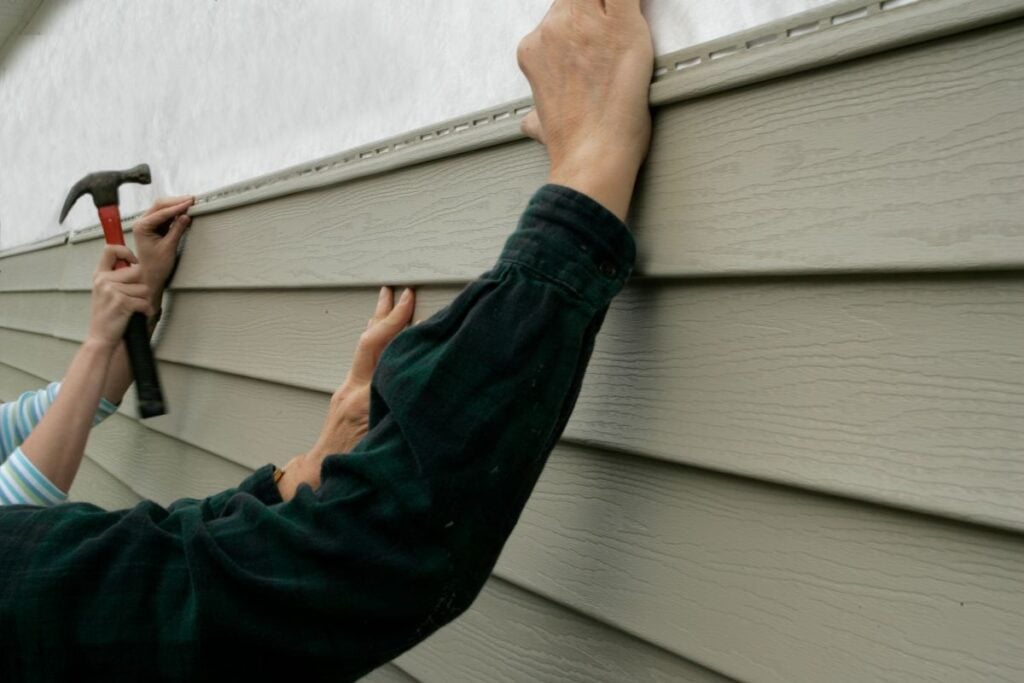
What Is Siding Replacement and Why Does It Matter?
Siding replacement means removing your home’s existing exterior panels and installing new ones from scratch. It’s a bigger job than repainting or patching, but it delivers benefits that a paint job simply can’t match, including moisture protection, insulation, and a fresh appearance that lasts for decades.
What Are the Benefits of Replacing Old Siding?
Replacing old siding protects your home’s structure, reduces heating and cooling costs, and improves the way your home looks from the street. When siding fails, water gets behind it and damages the sheathing, insulation, and even the framing underneath, which can cost far more to fix than the siding itself. New siding also seals up small gaps that let air leak through, which lowers your energy bills. And a fresh exterior gives your home the kind of curb appeal that helps it sell faster and for more when the time comes.
- Better protection: New siding keeps water and pests out of the wall structure.
- Lower energy bills: Insulated siding cuts heating and cooling costs.
- Improved curb appeal: A fresh exterior makes the whole home look updated.
- Higher home value: New siding is consistently one of the top ROI upgrades.
How Does Siding Actually Protect Your Home?
Siding is the outermost layer of your home’s exterior, and it works with a moisture barrier and insulation underneath to keep water, wind, and pests out of the walls. When siding is intact and properly installed, water rolls off the surface and away from the home. When siding is damaged, cracked, or missing, water can seep behind the panels, soak into the sheathing, and eventually cause rot, mold, and even framing damage. Good siding is your home’s first line of defense against everything the weather throws at it.
- First layer: The visible outer panels that shed water and wind.
- Moisture barrier: House wrap installed underneath the siding blocks any water that gets through.
- Insulation: Some newer siding has built-in insulation that adds R-value to the wall.
- Pest barrier: Sealed siding keeps insects, birds, and rodents out of the walls.
When Should You Consider a Siding Replacement?
There’s no exact expiration date on siding, but there are clear warning signs that let you know it’s time to replace. Watching for these signs helps you catch problems before they turn into more expensive repairs.
What Are the Signs Your Siding Needs to Be Replaced?
The most common signs your siding needs replacing are cracked, warped, or missing panels, visible rot on wood siding, fading and chalky surfaces, and bubbling paint on the interior walls. Any of these signs on its own is worth a closer look, and multiple signs together usually mean the whole system is failing. Homes with siding over 25 to 30 years old often need replacement even if the panels still look okay from the street, because materials break down slowly over time and stop protecting the way they should.
- Cracks, warping, or missing pieces: Damaged panels let water in.
- Rot or soft spots: Especially common on wood siding.
- Fading or chalky surfaces: A sign the material is breaking down.
- Bubbling interior paint: Often means water has been getting behind the siding.
How Long Should Your Current Siding Last?
Different siding materials have different lifespans, and knowing what to expect helps you plan for the future. Vinyl siding typically lasts 20 to 40 years, fiber cement 30 to 50 years, wood 15 to 40 years depending on how well it’s maintained, aluminum 30 to 40 years, and stucco 50 to 80 years with proper repairs. Climate and maintenance both make a big difference. Homes in areas with harsh winters, high humidity, or coastal salt air often see siding wear out faster than homes in mild climates.
- Vinyl: 20 to 40 years, low maintenance.
- Fiber cement: 30 to 50 years, needs occasional repainting.
- Wood: 15 to 40 years, requires the most maintenance.
- Aluminum: 30 to 40 years, can dent but doesn’t rot.
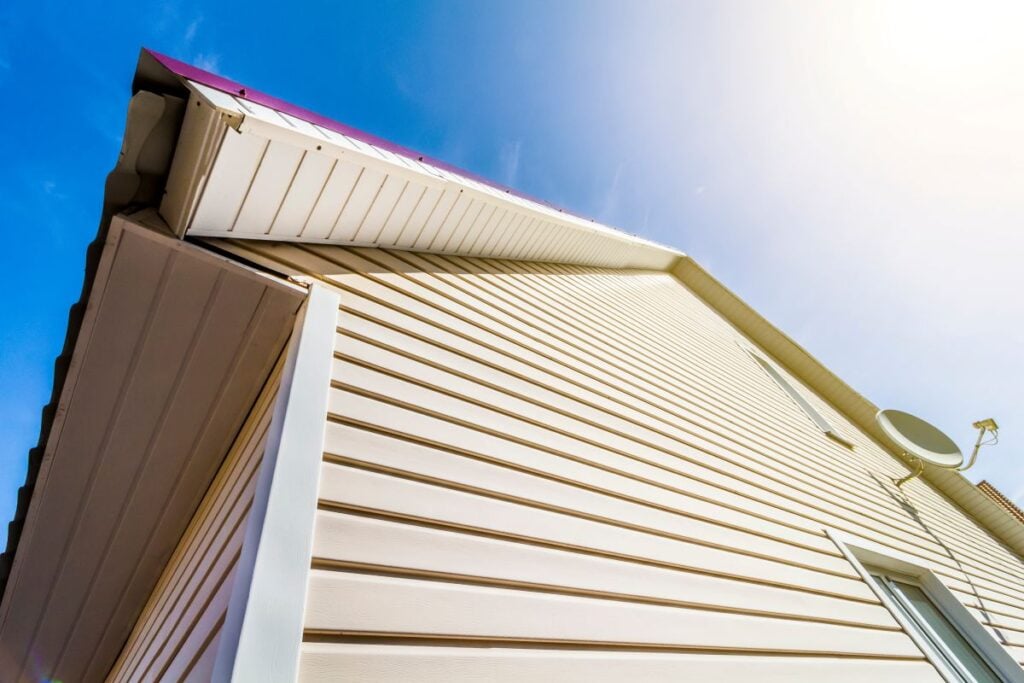
What Are the Most Popular Siding Materials?
Choosing the right siding material comes down to your budget, your climate, and the look you want. Here are the four most common choices homeowners consider.
Vinyl Siding
Vinyl is the most popular siding material in the United States because it’s affordable, low-maintenance, and comes in dozens of colors and styles. It typically costs $4 to $12 per square foot installed and can last 20 to 40 years with minimal upkeep. Vinyl is a great fit for homeowners who want a fresh look without a huge upfront cost, though it can crack in extreme cold and doesn’t insulate as well as some other options. Insulated vinyl, which has a foam layer built into the back, costs a bit more but delivers better energy performance.
- Cost: $4 to $12 per square foot installed.
- Lifespan: 20 to 40 years.
- Best for: Homeowners who want a budget-friendly, low-maintenance option.
- Watch for: Cracking in extreme cold and fading in strong sunlight.
Fiber Cement Siding
Fiber cement, best known by the brand James Hardie, is a premium option that combines the look of wood with the durability of concrete. It costs $6 to $16 per square foot installed and lasts 30 to 50 years. Fiber cement resists fire, moisture, pests, and impact, which makes it a great choice for homeowners in tough climates. It also holds paint longer than other materials, though it does need to be repainted every 10 to 15 years.
According to the 2024 Cost vs. Value Report published by the Journal of Light Construction, fiber-cement siding replacement had an average job cost of $20,619 and delivered a resale value of $18,230, meaning homeowners recouped an average of 88 percent of the cost, one of the highest returns of any major home improvement.
- Cost: $6 to $16 per square foot installed.
- Lifespan: 30 to 50 years.
- Best for: Homeowners who want a premium look and long-term durability.
- Watch for: Higher upfront cost and periodic repainting.
Wood Siding
Wood siding gives homes a classic, natural look that’s hard to match with any other material. It costs $5 to $15 per square foot installed and lasts 15 to 40 years depending on how well it’s cared for. Wood needs regular painting or staining to prevent rot and pest damage, which makes it the highest-maintenance choice. But for homeowners who love the look of real wood or live in a historic home, nothing else quite matches it.
- Cost: $5 to $15 per square foot installed.
- Lifespan: 15 to 40 years with proper maintenance.
- Best for: Historic homes, cabin styles, and homeowners who value natural materials.
- Watch for: Rot, insect damage, and higher long-term maintenance costs.
Aluminum or Steel Siding
Metal siding, including aluminum and steel, is common on modern homes and older mid-century homes. It costs $5 to $12 per square foot installed and lasts 30 to 40 years. Metal siding is fireproof, insect-proof, and doesn’t rot, which makes it a great choice for tough climates. The downsides are that it can dent easily from hail or accidents, and steel can rust if the coating gets damaged.
- Cost: $5 to $12 per square foot installed.
- Lifespan: 30 to 40 years.
- Best for: Modern homes, coastal areas, and fire-prone regions.
- Watch for: Denting from hail and potential rust on steel.
What to Expect During a Siding Replacement
A siding replacement is a bigger job than most homeowners realize, but it’s a well-defined process that a good contractor handles smoothly. Here’s what to expect from start to finish.
How Long Does a Siding Replacement Take?
Most residential siding replacements take one to two weeks from start to finish, with a typical single-family home wrapping up in about seven to ten working days. The exact timeline depends on the size of the home, the complexity of the exterior, the material being installed, and the weather. Homes with lots of trim, multiple stories, or difficult access take longer. Weather delays are common, especially in rainy or cold seasons when adhesives and paint need dry, mild conditions to set properly.
- Small home: 5 to 7 working days.
- Average home: 7 to 10 working days.
- Large or complex home: 10 to 15 working days.
- Weather delays: Rain, cold, or high wind can extend timelines.
What Happens Step by Step?
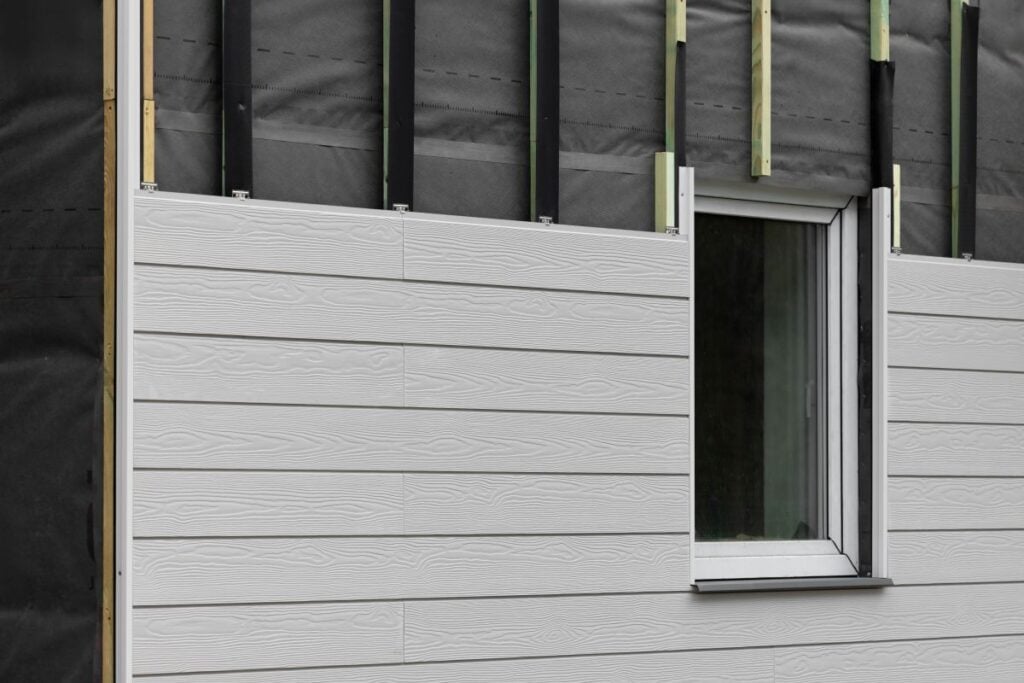
A siding replacement follows a clear step-by-step process. First, the crew removes the old siding down to the sheathing, inspects the underlying wood for damage, and replaces any rotted or soft sections. Next, they install a new moisture barrier or house wrap, followed by any insulation upgrades. Then they install the new siding panels from the bottom up, working around windows, doors, and other openings. Finally, they add trim, seal all the edges, and clean up the site.
- Tear-off: Remove old siding and inspect the walls underneath.
- Repairs: Replace any damaged sheathing before new siding goes on.
- Moisture barrier: Install house wrap and insulation.
- Panel install: Install new siding from the bottom up.
- Trim and finish: Add trim, sealants, and touch up any details.
How Much Does Siding Replacement Cost?
Siding replacement typically costs $10,000 to $35,000 on an average home, though premium materials can push the total higher. The exact price depends on the material, the size of the home, the condition of the walls underneath, and local labor rates. Homes with a lot of trim, multiple stories, or difficult access cost more. Repairing damaged sheathing before installation can also add $500 to $2,500 to the total. Getting three written quotes from licensed contractors is the best way to compare fair pricing.
- Average home total: $10,000 to $35,000 depending on material.
- Per square foot: $4 to $16 installed depending on the material.
- Extra repairs: Damaged sheathing adds $500 to $2,500.
- Compare quotes: Get at least three itemized bids from licensed contractors.
Frequently Asked Questions
Can Siding Be Replaced in Sections?
Yes, you can replace siding in sections if damage is limited to one side of the home or a specific area. However, matching the color and style of older siding can be difficult, and partial replacements sometimes look patchy. For homes with widespread wear or fading, full replacement usually gives the best result.
Do I Need to Move Out During Siding Replacement?
Most homeowners can stay in their home during a siding replacement. Work happens outside, and while there’s some noise from removal and installation, the inside of the home stays livable. Pets and small children may be more comfortable away from the noise during the loudest days.
Will New Siding Lower My Energy Bills?
Yes, most homeowners see a noticeable drop in heating and cooling costs after replacing old, damaged siding. Insulated siding can add extra R-value to your walls, and even standard siding installation includes a new moisture barrier that seals up air leaks. Savings typically range from 5 to 20 percent depending on your home and climate.
Can Siding Replacement Fix Existing Moisture Problems?
Siding replacement is a great opportunity to fix moisture problems that started with the old siding. When the crew removes the old panels, they can inspect the sheathing, replace damaged sections, and install fresh house wrap. Just be aware that ongoing moisture from other sources, like a leaking roof or bad grading, needs to be fixed separately.
Do I Need Permits for Siding Replacement?
Most areas require a building permit for siding replacement, especially when there’s significant tear-off or structural repair involved. Permit fees usually run $150 to $750 depending on your city or county. A licensed local contractor will pull permits for you and schedule any required inspections.
How Do I Choose the Right Siding Contractor?
Look for a licensed and insured contractor with strong local reviews, experience with your specific siding material, and clear, itemized written quotes. Ask for proof of insurance, references from recent siding projects, and manufacturer certifications if you’re going with a premium material like James Hardie. Avoid anyone who pressures you to sign on the spot or offers a price way below the other quotes.
Why 5 Star Roofing and Contracting Is a Trusted Resource for Homeowners
A siding replacement is a big decision, and the outcome often depends on how well your roof, gutters, and drainage system work with the new exterior. That’s where 5 Star Roofing and Contracting comes in as a trusted local expert on the roof-line details that keep water where it belongs, backed by IKO ShieldPRO Certified Contractor status, HomeAdvisor Top Rated recognition, full licensing, and 24/7 emergency repair availability. Our team can inspect your roof, flashing, and gutters to make sure water is being directed away from your walls, which protects both your existing siding and any new siding you’re planning to install. Reach out to 5 Star Roofing and Contracting today for a free roof and gutter inspection and honest advice on protecting your home’s exterior from the top down.


