

Wood Siding: 6 Types and What They Cost in 2026
Few exterior materials offer the warmth and character of natural wood. Whether you love the rustic look of cedar shingles or the clean lines of painted cedar clapboards, wood siding can transform the look of your home and add lasting value. The catch is that every species differs in price, durability, and upkeep, so choosing well matters. This ultimate guide breaks down six popular wood siding types and their 2026 costs to help you find the right fit for giving your home a fresh, lasting exterior that stands up to the seasons.
At a glance, this article covers:
- Why wood remains a smart exterior choice
- Six durable wood species and what each costs
- Popular siding styles and profiles
- How to keep wood siding looking great in a cold climate
- Answers to common homeowner questions
Why Wood Siding Is Still a Favorite for Homeowners
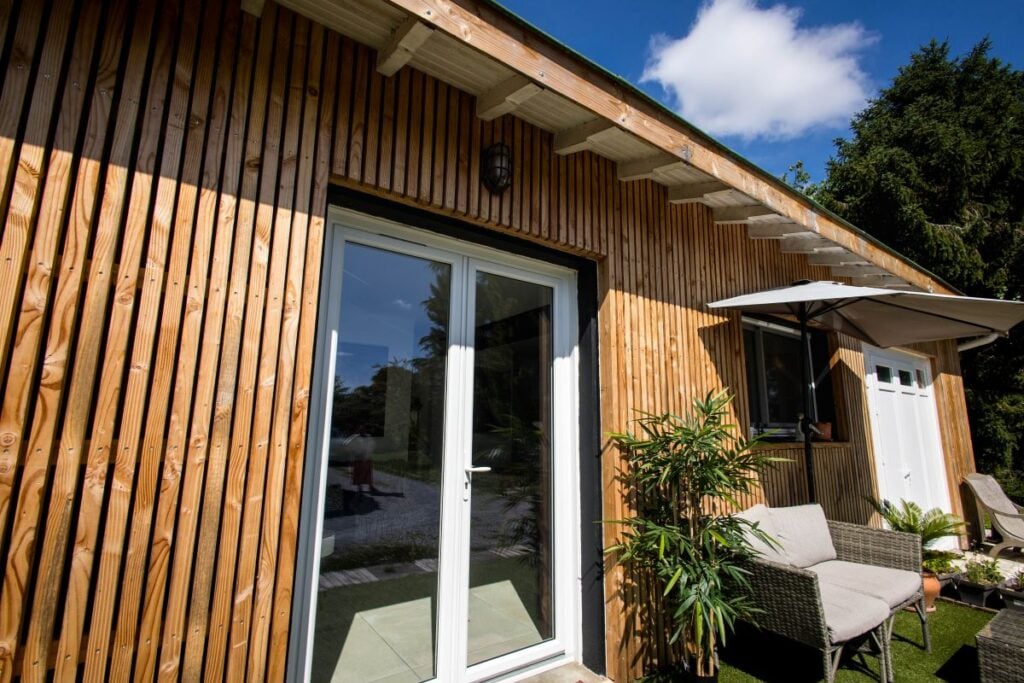
With so many siding options on the market, including vinyl and fiber cement, it is fair to ask why natural wood remains so popular. The answer comes down to beauty, versatility, and the kind of timeless aesthetic appeal that few other cladding materials can match. For homeowners in Mandan, ND and surrounding areas, where classic farmhouses, craftsman bungalows, and modern builds all share the same streets, wood offers a look that suits nearly any architectural style.
Before choosing a product, it helps to understand that each wood species brings its own balance of cost, rot resistance, and finish quality. When the right species is paired with proper installation and care, wood siding delivers several benefits:
- Natural beauty: Real wood grain and texture create a warm, authentic appearance that synthetic products try to imitate.
- Design flexibility: Wood can be painted, stained, or left to weather naturally, and you can change colors whenever your taste evolves.
- Eco-friendly material: Wood is a renewable resource, and sustainably harvested lumber has a lower environmental footprint than many manufactured options.
- Easy repairs: Damaged siding boards can often be replaced individually without tearing off large sections of your house.
Of course, wood is not a one-size-fits-all material. Understanding the differences between the many types of wood available is the key to getting the look you want at a price that fits your project budget.
6 Types of Wood Siding and Their 2026 Costs
Wood siding prices vary widely depending on the species, grade, and style you choose. The installed costs below are general estimates per square foot, and your final price will depend on your home’s size, design, and local labor rates.
1. Cedar
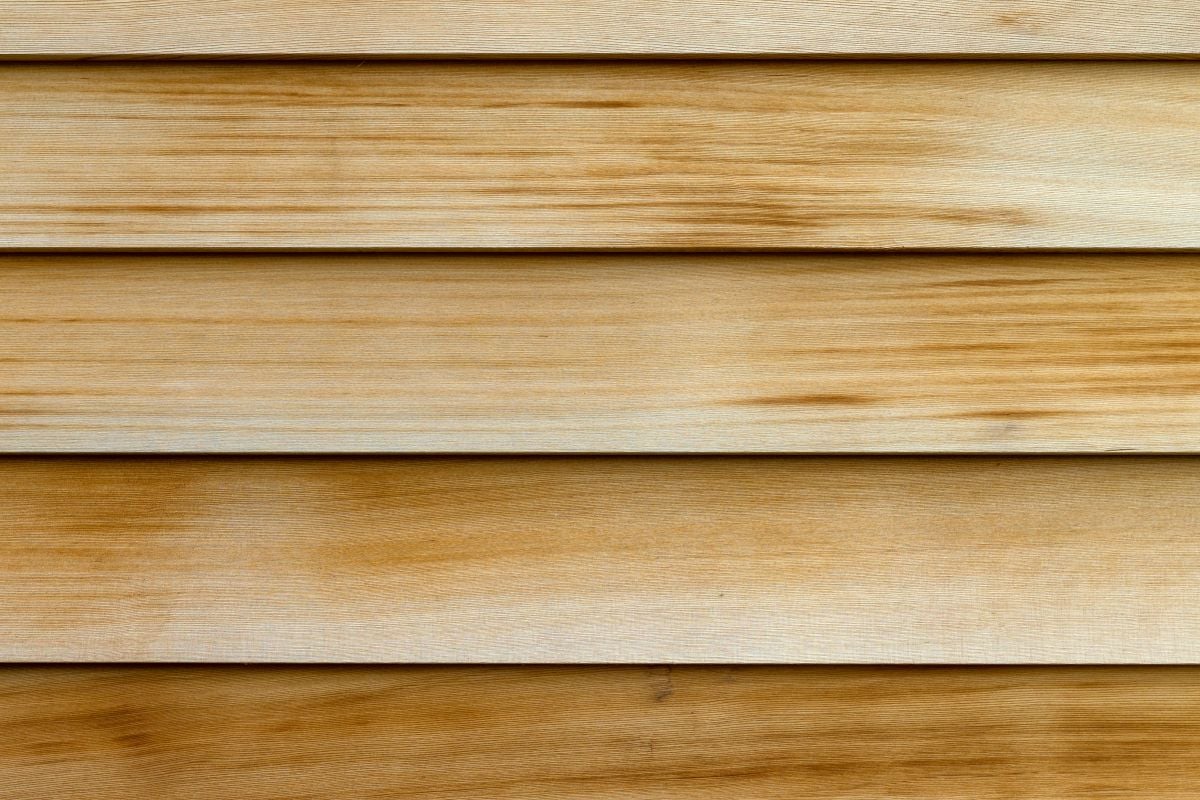
Cedar is the most popular choice for wood siding, and for good reason. It is naturally resistant to rot, moisture, and insects, it resists splitting and warping, and it takes stain beautifully to reveal a rich, detailed grain.
- Approximate installed cost: $6 to $12 per square foot
- Commonly used for clapboards, shingles, and shakes
- Clear, knot-free grades cost more than knotty grades
2. Redwood
Redwood offers a striking reddish tone and excellent natural resistance to decay and insects. Its dimensional stability means it shrinks and swells less than many other woods, helping paint and stain last longer.
- Approximate installed cost: $7 to $15 per square foot
- Availability is more limited outside the West Coast, which can raise prices
3. Pine
Pine is one of the most affordable natural wood options and has long been a standard for exterior siding. It holds paint well, making it a good choice for homeowners who prefer a painted finish.
- Approximate installed cost: $4 to $10 per square foot
- Not naturally rot resistant, so it must be kept sealed and well maintained
4. Spruce
Spruce is a lightweight softwood with a pale, creamy color that weathers to a soft silvery gray over time. It is often used as an economical alternative to pine and typically comes in longer lengths.
- Approximate installed cost: $6 to $11 per square foot
- Commonly features visible knots and a rustic texture that works well as an accent on gables or porches
5. Douglas Fir
Douglas fir is strong, easy to cut, and simple to install thanks to its long, straight boards. It accepts paint and stain well and is easily milled into shiplap, tongue-and-groove, or batten siding profiles, which makes it a favorite among builders.
- Approximate installed cost: $5 to $9 per square foot
- A reliable mid-range option for painted homes
6. Engineered Wood
Engineered wood siding is made from wood fibers or strands bonded with resins and protective treatments. It captures much of the look of real wood at a lower cost, and many products come prefinished with long manufacturer warranties.
- Approximate installed cost: $4 to $9 per square foot
- More resistant to moisture damage and insects than untreated softwoods
Each of these six options can look beautiful on the right home. If none of them feel right, other options like fiber cement can mimic the look of wood. The best choice comes down to how much you want to spend upfront, how much maintenance you are comfortable with, and the style you want to achieve.
Popular Wood Siding Styles to Consider
Beyond the species, the style or profile of your siding plays a big role in your home’s final look. The same wood can create a completely different appearance depending on how it is milled and installed.
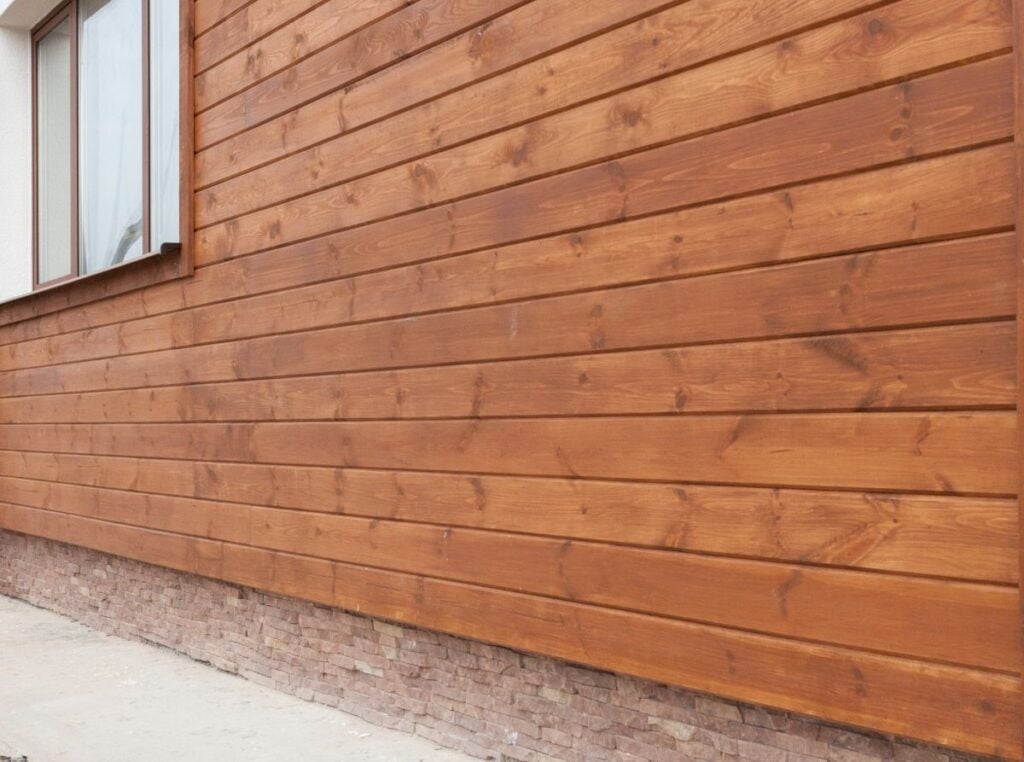
- Bevel or clapboard: Long horizontal boards that increase in thickness toward the bottom edge and overlap, creating the classic look found on many traditional homes with a simple design.
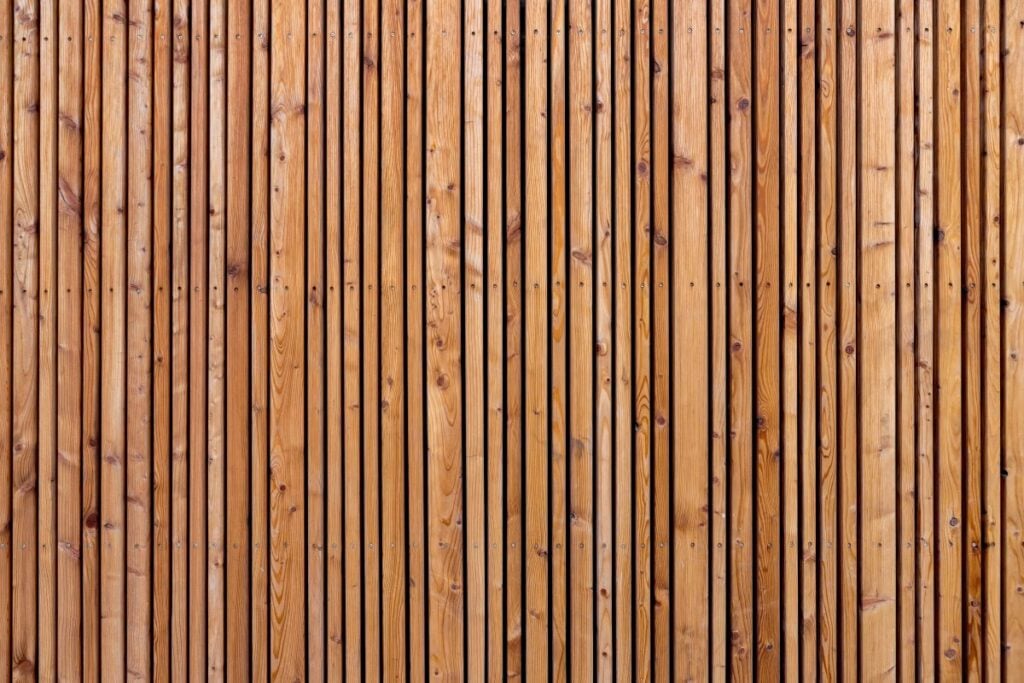
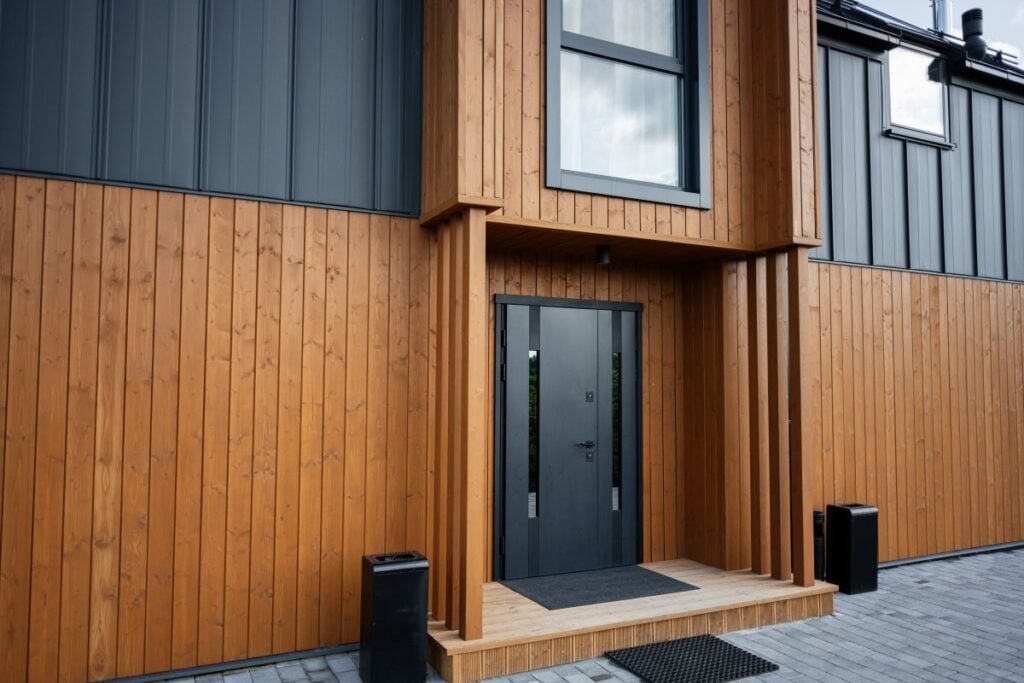
- Board and batten: Wide vertical siding boards with narrow strips covering the seams, ideal for farmhouse and modern rustic designs.
- Shingles and shakes: Individual pieces, often cedar, that create a textured, cottage-style look. Shingles are sawn smooth, while shakes are split for a rougher surface.
- Shiplap and tongue-and-groove: Boards that interlock tightly for a smooth, clean surface with crisp shadow lines.
- Log siding: Rounded boards that mimic the appearance of a log cabin without the cost of full log construction.
Some styles require more labor and material than others, which can affect your total cost. Shingles and shakes, for example, typically take longer to install than standard clapboards because each piece is placed individually.
Keeping Wood Siding Beautiful Through Northern Winters
Wood siding can last for decades, but only with consistent care. In a climate with bitter cold, heavy snow, strong wind, and wide temperature swings, maintenance is what separates siding that ages gracefully from siding that cracks, warps, or rots.
Protect the Finish
Paint, stain, and sealant form the first line of defense in your siding system against moisture and extreme weather. Most wood siding needs repainting or resealing every three to seven years, depending on the product and sun exposure.
- South and west-facing walls often fade faster.
- Look for peeling, bubbling, or chalky paint as signs a refresh is due.
Watch for Moisture Problems
Water is wood’s biggest enemy. Keeping gutters clear, trimming back shrubs, and maintaining proper clearance between the siding and the ground all help prevent rot and mold.
Inspect Seasonally
A quick walk around your home each spring and fall can catch small issues early. Check for soft spots, cracked boards, gaps around windows and doors, and signs of insects or woodpeckers.
Homeowners in Mandan, ND and surrounding areas should pay special attention after winter, when snow piled against walls and repeated freeze and thaw cycles can take a toll. Addressing minor damage promptly helps your siding last longer and keeps repair costs manageable.
Frequently Asked Questions About Wood Siding
Choosing new siding is a big decision, and homeowners often have similar questions along the way. Here are clear answers to some of the most common ones.
How long does wood siding last?
With proper maintenance, wood siding typically lasts 20 to 40 years, and well-cared-for cedar or redwood can last even longer.
Is wood siding a good choice for cold climates?
Yes, as long as it is properly installed, sealed, and maintained. Species like cedar handle moisture and temperature changes well, and wood provides a small amount of natural insulation.
How much does it cost to side an average home with wood?
For a typical home, total costs often range from about $8,500 to more than $30,000, depending on the species, grade, style, and size of the home.
Is engineered wood as good as real wood?
Engineered wood offers a similar look at a lower price with less maintenance. However, many homeowners still prefer the authentic grain and character of natural wood.
Can wood siding be installed over existing siding?
In most cases, it is best to remove old siding first. This allows installers to inspect the sheathing, repair damage, and add a proper moisture barrier before the new siding goes on.
If you still have questions about which option is right for your home, a siding professional can help you compare samples and pricing. Seeing the materials in person often makes the decision much easier.
Find the Right Wood Siding for Your Home
Wood siding is an investment in your home’s beauty, value, and personality, and the right species and style can make your property stand out for years to come. With expert installation and a solid maintenance plan, your new siding can handle everything our northern climate brings. At 5 Star Roofing, we help homeowners in Mandan, ND and surrounding areas choose and install exterior materials that fit their style and budget. Ready to explore your options? Contact us today to schedule your free consultation.


