


7 Benefits of Vinyl Siding: Pros, Cons & Long-Term Performance
Vinyl siding has been the most popular exterior material on American homes for decades, and it’s easy to see why once you look at what it offers. It’s affordable, low-maintenance, comes in dozens of colors and styles, and holds up for 20 to 40 years with almost no effort from the homeowner. Understanding the real benefits, the drawbacks, and what to expect over the long haul helps you decide whether vinyl is the right pick for your home, your climate, and your budget.
- Affordable and long-lasting: Vinyl gives homeowners great value with a low upfront cost and decades of service.
- Almost no maintenance: No painting, no staining, just an occasional rinse with a hose.
- Wide range of styles: Dozens of colors, textures, and profiles to match any home.
What Is Vinyl Siding and Why Is It So Popular?
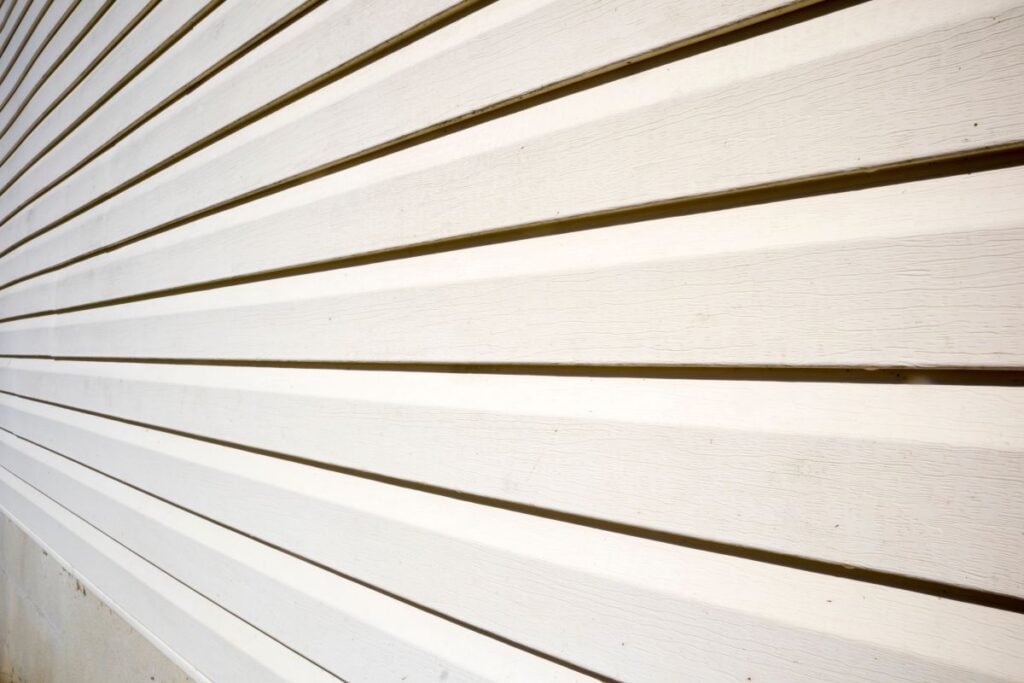
Vinyl siding is exterior cladding made from PVC plastic that’s shaped into long horizontal or vertical panels. It’s become the most common siding choice in the United States because it strikes a solid balance between price, looks, and durability.
How Is Vinyl Siding Made?
Vinyl siding is made from polyvinyl chloride, or PVC, formed into panels that mimic the look of traditional wood siding. The panels are extruded in long lengths, given a texture that often resembles wood grain, and colored all the way through the material so scratches don’t stand out. Higher-end vinyl includes UV blockers to prevent fading and impact modifiers to make it more resistant to cracking in cold weather. Insulated vinyl has an added layer of rigid foam bonded to the back of each panel, which adds strength and insulation.
- Base material: PVC plastic shaped into long panels.
- Color: Baked through the panel so scratches don’t show.
- Textures: Smooth, wood-grain, and other patterns.
- Insulated option: Rigid foam bonded to the back for extra R-value.
Why Do So Many Homeowners Choose It?
Homeowners choose vinyl for a mix of practical reasons that add up to real value. The upfront cost is much lower than fiber cement, wood, or stone. Maintenance is minimal, especially compared to wood. The product installs quickly, which keeps labor costs down. And modern vinyl looks great, holds its color well, and comes in enough colors and styles to work on almost any home. That combination of affordability, low upkeep, and good looks is why vinyl covers more homes than any other siding material in the country.
- Lower upfront cost: Roughly half the price of fiber cement.
- Fast installation: Typical homes are done in one to two weeks.
- Easy to clean: A garden hose is usually all you need.
- Lots of choices: Dozens of colors and profiles.
7 Benefits of Vinyl Siding
Here are the seven biggest benefits of vinyl siding, plus how each one plays out over the long life of the material. These are the reasons vinyl continues to top the list of siding options for so many homeowners.
1. It’s Affordable
Vinyl is the most affordable of the major siding materials, typically running $4 to $12 per square foot installed on a typical home. Compare that to fiber cement at $6 to $16 per square foot or wood at $5 to $15 per square foot, and it’s clear why vinyl fits so many budgets. Total cost for a full home usually falls between $10,000 and $25,000, depending on size and style. That price includes labor and materials, and it delivers 20 to 40 years of service, which makes vinyl one of the best per-year values in exterior siding.
- Cost per square foot: $4 to $12 installed.
- Total home cost: $10,000 to $25,000 for most homes.
- Cost per year: One of the lowest per-year values of any siding.
- Financing options: Widely available through most siding contractors.
2. It Needs Almost No Maintenance
One of the biggest reasons homeowners love vinyl is how little care it needs. There’s no painting, staining, or caulking to keep up with. The color is baked into the material, so it holds up for decades without touch-ups. To clean it, you just spray it down with a garden hose once or twice a year. Compare that to wood, which needs painting or staining every three to seven years, and vinyl saves you thousands of dollars and dozens of hours over its lifetime.
- No painting: Color is built in and lasts for decades.
- No caulking: Panels lock together, no exposed seams to maintain.
- Easy cleaning: A garden hose handles most cleaning.
- No rot or pests: Vinyl doesn’t attract termites and won’t rot in humid climates.
3. It Comes in Tons of Styles and Colors
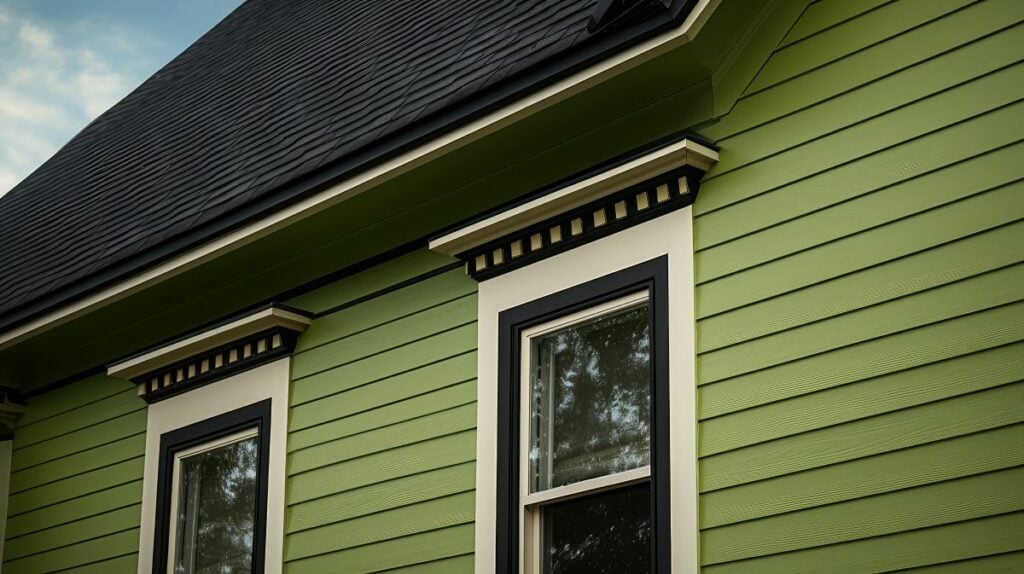
Vinyl siding is available in more colors, textures, and profiles than any other siding material. You can choose horizontal lap siding, vertical board-and-batten, scalloped shakes, dutch lap, beaded profiles, and more. Colors range from classic whites and neutrals to bold blues, greens, and reds. Higher-end vinyl even mimics the look of wood grain, cedar shakes, or stone. That range of choices means you can get almost any look you want without the price tag or maintenance of premium materials.
- Many profiles: Lap, vertical, shake, dutch lap, and beaded styles.
- Dozens of colors: From neutrals to bold statement colors.
- Wood-look options: Realistic wood grain textures.
- Mix and match: Combine styles for accent walls or gables.
4. It’s Energy Efficient (Especially Insulated Vinyl)
Standard vinyl siding gives you a small energy boost by sealing up air gaps in the wall, but insulated vinyl takes it to a whole new level. Insulated vinyl has a layer of rigid foam bonded to the back of each panel, which adds R-value to the wall and stops heat loss through the wood studs. That means lower heating and cooling bills all year round.
According to the U.S. Department of Energy’s Building Science Education program, both the DOE and the EPA recognize insulated siding as a way to improve a home’s energy efficiency, because it reduces thermal bridging through wall studs and provides continuous insulation across the entire outside of the home.
- Standard vinyl: Adds minimal R-value but seals air leaks.
- Insulated vinyl: Adds R-2 to R-4 of continuous insulation.
- Lower bills: Typically saves 10 to 15 percent on heating and cooling.
- May qualify for tax credits: Some insulated products qualify for federal energy credits.
5. It Handles Weather Well
Vinyl stands up to most weather thanks to its durable, sealed surface. It resists rain, snow, and UV rays much better than wood, and it doesn’t rust like steel or dent as easily as aluminum. Modern vinyl products carry wind ratings up to 110 to 200 mph depending on the product and installation, which means it can handle hurricanes and severe storms. It also doesn’t attract termites, carpenter ants, or other pests, which is a big deal in humid and warm climates.
- UV resistant: Modern colors resist fading for decades.
- High wind ratings: Rated up to 110 to 200 mph with proper installation.
- Pest resistant: Doesn’t attract termites or carpenter ants.
- Rot proof: Won’t rot even in wet climates.
6. It’s Long-Lasting
Vinyl siding typically lasts 20 to 40 years, and quality products with strong warranties can last even longer. Most vinyl comes with lifetime limited manufacturer warranties, and some higher-end products even offer transferable warranties that pass to the next owner. That kind of longevity means most homeowners install vinyl once and never think about it again for the rest of their time in the home. That’s very different from wood siding, which typically needs to be replaced or heavily refurbished every 15 to 25 years.
- Typical lifespan: 20 to 40 years.
- Warranties: Many products carry lifetime limited warranties.
- Transferable: Some warranties transfer to the next owner.
- Great long-term value: One installation lasts most homeowners a lifetime.
7. It Adds Home Value
Even though vinyl is the more affordable siding option, it delivers a strong return on investment when it’s time to sell. Fresh vinyl siding boosts curb appeal, protects the home from the weather, and gives buyers a clean, well-maintained impression from the street. Studies of remodeling ROI consistently rank vinyl siding as one of the top exterior upgrades in terms of value recouped at resale. That’s a nice bonus on top of all the practical benefits you enjoy while you live in the home.
- Curb appeal: A fresh exterior makes the whole home look better.
- Resale ROI: One of the top-returning exterior upgrades.
- Buyer appeal: Buyers appreciate low-maintenance materials.
- Faster sale: Homes with updated siding often sell faster.
What Are the Drawbacks of Vinyl Siding?
No siding material is perfect, and vinyl has real trade-offs to consider before you decide. Being honest about the downsides helps you avoid disappointment and pick the right material for your home.
Are There Any Real Drawbacks?
The main drawbacks of vinyl are that it can crack in extreme cold, warp or melt if exposed to intense heat, and doesn’t look quite as authentic as wood or fiber cement up close. Cheaper vinyl is more prone to fading, cracking, and warping than higher-quality products. Vinyl also has a lower resale ROI than fiber cement in some higher-end markets where buyers expect premium materials. And while vinyl won’t rot, moisture can still get behind it if it’s not installed properly, which can damage the sheathing underneath.
- Cold weather cracks: Extremely cold temperatures can make vinyl brittle.
- Heat damage: Reflected heat from grills or sunlight can warp vinyl.
- Not as authentic: Doesn’t look quite like real wood up close.
- Installation matters: Poor installation can cause moisture problems.
How Does It Compare to Other Materials?
Compared to fiber cement, vinyl is cheaper and lighter but not as durable in extreme weather. Compared to wood, vinyl is far less maintenance but doesn’t have the same natural look. Compared to aluminum, vinyl is warmer and doesn’t dent, but aluminum handles fire better. Each material has its place, and vinyl fits best when you want a great balance of price, low maintenance, and curb appeal without needing the premium features of higher-end options.
- Vs. fiber cement: Cheaper but less durable in extreme weather.
- Vs. wood: Much lower maintenance but less authentic looking.
- Vs. aluminum: Won’t dent but doesn’t handle fire as well.
- Vs. stucco: More flexible and easier to install in most climates.
Frequently Asked Questions
How Long Does Vinyl Siding Really Last?
Quality vinyl siding typically lasts 20 to 40 years, and premium insulated products can last even longer with proper installation. Lifespan depends on the climate, the quality of the product, and how well it was installed. Colors may fade slightly over decades, but structural performance usually stays strong throughout the lifespan.
Does Vinyl Siding Fade?
Modern vinyl is much better at holding color than older products, thanks to UV blockers built into the material. Some fading is normal over 20 to 30 years, especially on the south and west sides of the home where sun exposure is highest. Higher-quality vinyl fades much less than budget options.
Can Vinyl Siding Be Painted?
Yes, vinyl siding can be painted, but it’s usually not recommended. Painting voids most manufacturer warranties, and paint doesn’t bond as well to vinyl as to wood or fiber cement. If you don’t like the current color, replacing the siding is usually a better long-term move than painting.
Is Vinyl Siding Environmentally Friendly?
Vinyl siding is made from PVC, which isn’t biodegradable, but it does have some environmental benefits. It lasts a long time, which means less material replacement over the years. Insulated vinyl reduces energy use, which lowers a home’s carbon footprint. Some vinyl products also use recycled content in the manufacturing process.
Will Vinyl Siding Melt in the Sun?
Vinyl generally handles sun exposure just fine, but reflected heat from things like grills, low-emissivity windows on neighboring homes, or metal roofs can raise surface temperatures enough to warp vinyl. Keeping grills at least 10 feet away from vinyl siding and avoiding intense reflected heat sources helps prevent this issue.
Does Vinyl Siding Come with a Warranty?
Most vinyl siding products come with a manufacturer warranty of 25 years or more, and many premium products offer lifetime limited warranties. Warranties typically cover manufacturing defects, fading, and structural issues. Read the fine print because coverage details vary by brand.
Why 5 Star Roofing and Contracting Is a Trusted Local Resource
Vinyl siding is one of many exterior choices homeowners face when protecting their homes, and it works best when the rest of the exterior is doing its job too. 5 Star Roofing and Contracting brings the local experience homeowners rely on when it comes to the roof, gutters, and drainage details that keep water flowing off the home and away from the walls, backed by IKO ShieldPRO Certified Contractor status, HomeAdvisor Top Rated recognition, full licensing, and 24/7 emergency repair availability. Our team can inspect your roof, flashing, and gutters to make sure they’re supporting your siding, no matter what material it’s made of. Reach out to 5 Star Roofing and Contracting today for a free roof and gutter inspection and honest advice on keeping every part of your exterior in great shape.


